
Everest Base Camp Trek 2026: Complete Guide to the Ultimate Himalayan Adventure

Table of Contents
The Everest Base Camp Trek is one of the most iconic trekking adventures in the world. In 2026, trekking in Nepal’s Everest Region continues to attract thousands of trekkers seeking breathtaking Himalayan views, Sherpa culture, and unforgettable experiences.
The Everest Base Camp Trek is widely regarded as one of the most iconic trekking adventures on Earth, drawing travelers from every corner of the globe to experience the raw beauty of the Himalayas. In 2026, trekking in Nepal—especially in the legendary Everest Region—continues to be a dream journey for adventure seekers, nature lovers, and cultural explorers alike.
This extraordinary trek takes you deep into the heart of the Khumbu Valley, offering unparalleled views of towering peaks including the world’s highest mountain, Mount Everest. Along the way, trekkers pass through picturesque Sherpa villages such as Namche Bazaar, the vibrant gateway to Everest, where traditional culture blends with modern trekking life. The route is not just about reaching the destination—it’s about the journey through suspension bridges, alpine forests, glacial rivers, and dramatic mountain landscapes.
One of the defining features of the Everest Base Camp Trek is its rich cultural experience. The region is home to the Sherpa community, renowned for their mountaineering skills and warm hospitality. Trekkers have the opportunity to visit ancient monasteries like Tengboche Monastery, where spirituality and Himalayan traditions come alive against a backdrop of snow-capped peaks. Prayer flags flutter in the wind, mani stones line the trails, and every step reveals a deeper connection to the region’s Buddhist heritage.
Reaching Everest Base Camp at 5,364 meters is a rewarding achievement, offering a close-up view of the Khumbu Icefall and the surrounding giants of the Himalayas. For many trekkers, the highlight is the early morning hike to Kala Patthar, a famous viewpoint that provides the most breathtaking panoramic views of Everest and neighboring peaks glowing under the rising sun.
In 2026, the Everest trekking experience is more accessible and better organized than ever before. Improved infrastructure, a wide range of accommodation options—from basic teahouses to luxury lodges—and professional guiding services make the journey suitable for both beginners and experienced trekkers. At the same time, new regulations and a growing focus on sustainable tourism ensure that the fragile mountain environment is protected for future generations.
Whether you are seeking adventure, cultural immersion, or personal achievement, the Everest Base Camp Trek offers a life-changing experience. It is not just a trek—it is a journey into the soul of the Himalayas, where every trail tells a story, and every view leaves a lasting impression.
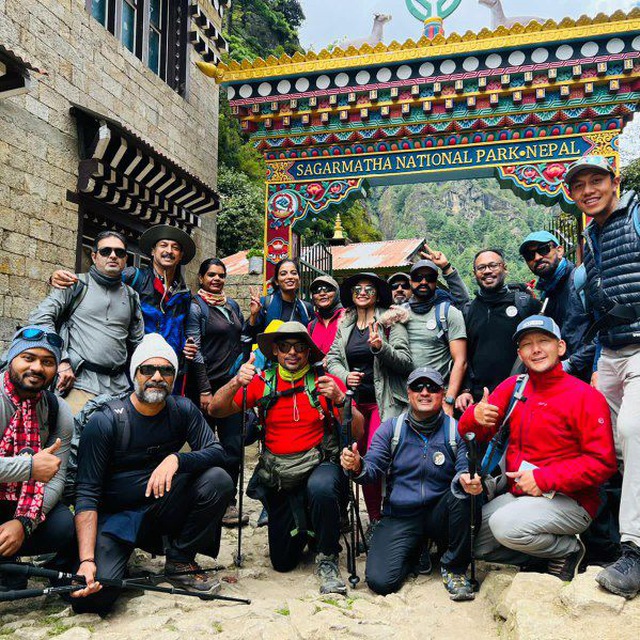 Top Everest Region Treks in 2026: From Everest Base Camp to Hidden Valleys
The Everest Region offers a variety of trekking options:
- Everest Base Camp Trek
- Gokyo Lakes Trek
- Everest Three Passes Trek
- Everest Panorama Trek
- Hidden valleys like Thame and Phortse
Everest Base Camp Trek
What makes it unique:
This is the classic and most iconic trek in the world, taking you to the base of Mount Everest. It combines dramatic himalayas landscapes, high-altitude adventure, and rich Sherpa culture. The journey passes through famous stops like Namche Bazaar and Tengboche Monastery.
Why people choose it:
- To stand at the base of the world’s highest mountain
- Bucket-list achievement and global recognition
- Balanced mix of adventure + culture
- Ideal for first-time high-altitude trekkers
Gokyo Lakes Trek
What makes it unique:
This trek leads to a series of stunning turquoise glacial lakes with fewer crowds than EBC. The climb to Gokyo Ri offers one of the best panoramic views of Everest, even better than Kala Patthar according to many trekkers.
Why people choose it:
- Peaceful and less crowded alternative
- Unique landscapes with lakes and glaciers
- Best panoramic Himalayan views
- Perfect for photographers and nature lovers
Everest Three Passes Trek
What makes it unique:
The ultimate Everest adventure, crossing three high passes: Kongma La, Cho La, and Renjo La. It connects EBC, Gokyo Lakes, and remote valleys into one epic circuit.
Why people choose it:
- For experienced trekkers seeking a real challenge
- Covers the entire Everest region in one journey
- Less touristy sections beyond main routes
- High sense of achievement and adventure
Everest Panorama Trek
What makes it unique:
A short and easier trek offering stunning Everest views without going to high altitude. It reaches viewpoints near Namche and Tengboche.
Why people choose it:
- Ideal for beginners, families, or limited time
- Lower altitude = lower risk of altitude sickness
- Comfortable trekking with great views
- Perfect introduction to the Everest region
Hidden Valleys Trek (Thame & Phortse)
What makes it unique:
These routes explore authentic Sherpa villages away from the busy trails. You experience untouched culture, traditional lifestyles, and peaceful landscapes.
Why people choose it:
- Off-the-beaten-path adventure
- Deep cultural immersion with Sherpa communities
- Quiet trails with fewer trekkers
- Unique storytelling and local experiences
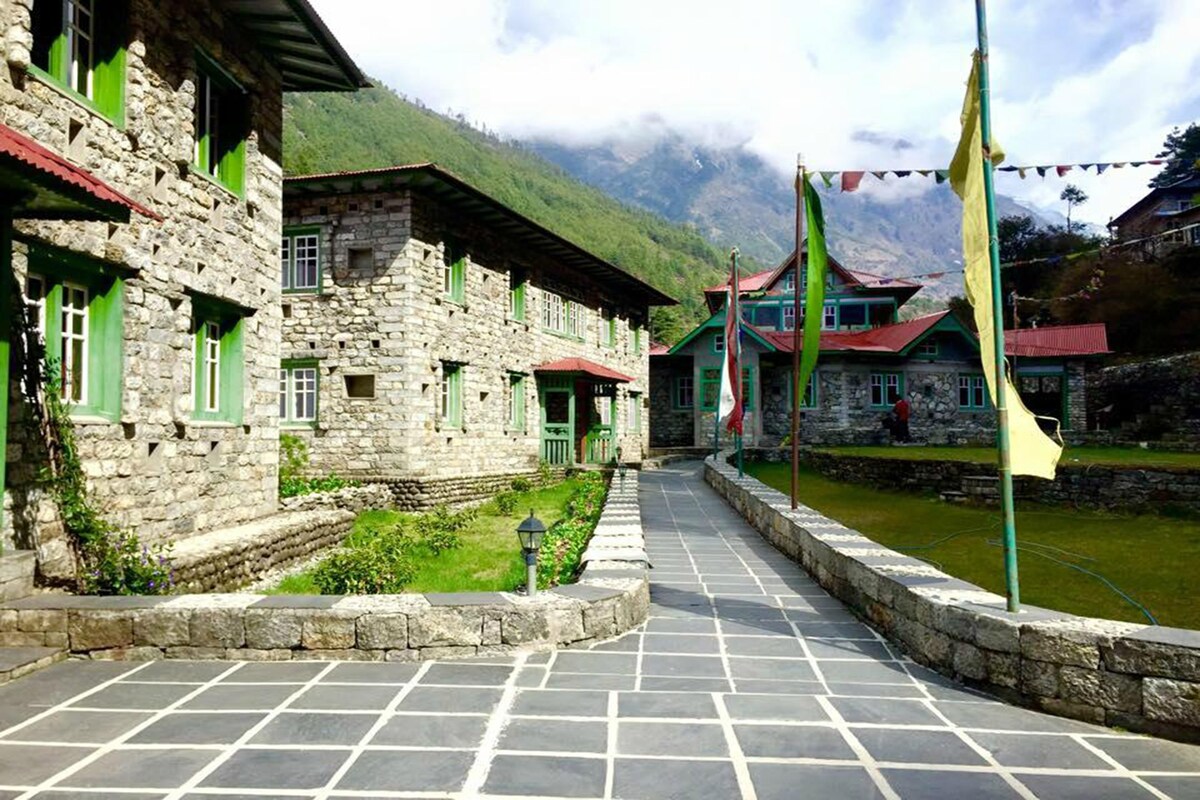 Everest Region Trek Comparison Guide
Each trek in the Everest Region offers a unique experience. Compare the routes below to choose the best trek for your adventure style, fitness level, and travel goals.
| Trek Name | Experience Type | Difficulty | Duration | Best For |
|---|---|---|---|---|
| Everest Base Camp (EBC) | Iconic & Must-Do | Moderate | 12–14 Days | First-time trekkers, bucket-list adventure |
| Gokyo Lakes Trek | Scenic & Peaceful | Moderate | 12–14 Days | Nature lovers, photographers, fewer crowds |
| Everest Three Passes Trek | Challenging & Complete Adventure | Challenging | 16–20 Days | Experienced trekkers, adventure seekers |
| Everest Panorama Trek | Easy & Short | Easy | 5–8 Days | Beginners, families, short trips |
| Hidden Valleys (Thame & Phortse) | Cultural & Offbeat | Moderate | 10–14 Days | Culture seekers, off-the-beaten-path travelers |
Tip: Choose Everest Base Camp for a classic experience, Gokyo for peaceful scenery, Three Passes for adventure, Panorama for a short trip, and Hidden Valleys for authentic cultural exploration.
Everest Trekking Guide 2026: Routes, Costs, Permits & Itineraries Explained
Trekkers must understand routes, permits, and logistics. The most common route starts from Lukla and passes through Namche Bazaar to Everest Base Camp.
- Sagarmatha National Park Permit
- Khumbu Pasang Lhamu Rural Municipality Permit
How to Trek to Everest Base Camp in 2026: A Step-by-Step Guide
Step-by-step overview:
- Fly to Lukla
- Trek to Namche Bazaar
- Acclimatize properly
- Reach Everest Base Camp (5364m)
- Climb Kala Patthar for best views
Luxury treks offer helicopter return, premium lodges, and comfort. Budget treks are more affordable but require flexibility and basic accommodation.
Luxury vs Budget Everest Treks 2026: Which One Should You Choose?
Choosing between a luxury and budget trek in the Everest Region depends on your travel style, comfort expectations, time, and budget. Both options follow the same legendary trails toward Everest Base Camp, but the overall experience can feel very different.
A luxury Everest trek is designed for comfort, convenience, and a more personalized experience. Trekkers stay in high-end lodges with heated rooms, attached bathrooms, hot showers, Wi-Fi, and premium dining options. Many luxury packages include experienced guides, porters, and well-planned itineraries with proper acclimatization. One of the biggest highlights is the option of a helicopter return, allowing you to skip the long descent and enjoy breathtaking aerial views of Mount Everest and the surrounding himalaya. This type of trek is ideal for travelers who want to experience adventure without sacrificing comfort—perfect for honeymooners, older travelers, or those with limited time.
On the other hand, a budget Everest trek focuses on affordability and flexibility. Trekkers stay in traditional teahouses, which provide simple rooms, shared bathrooms, and basic meals like dal bhat, noodles, and soups. While facilities are more basic, the experience is often more authentic and closer to local life. Budget trekking may involve independent planning or joining a small group, and it usually requires more adaptability when it comes to food, accommodation, and weather conditions. For many backpackers and adventure lovers, this style offers a deeper connection with the trail and fellow trekkers.
The cost difference is significant. Budget treks can range from around $900 to $1,300, while luxury treks can start from $3,000 and go well beyond depending on services like helicopter flights and premium lodges. However, both options include the same stunning landscapes, cultural encounters in villages like Namche Bazaar, and spiritual experiences near monasteries such as Tengboche Monastery.
Ultimately, the choice comes down to what kind of journey you want. If you value comfort, time efficiency, and a premium experience, a luxury trek is the best choice. If you prefer adventure, affordability, and a raw trekking experience, a budget trek will be more rewarding. Either way, trekking in the Everest region in 2026 promises an unforgettable journey into the heart of the Himalayas.
Beyond Everest Base Camp: Best Alternative Treks in the Everest Region for 2026
If you want less crowded routes, consider:
- Gokyo Lakes Trek
- Everest Panorama Trek
- Renjo La Pass Trek
Everest Three Passes Trek 2026: The Ultimate Challenge in the Khumbu Region
This trek crosses three high passes: Kongma La, Cho La, and Renjo La. It is physically demanding but offers the most complete Everest experience.
The Everest Three Passes Trek is widely considered the most adventurous and complete trekking experience in the Everest Region. Designed for experienced trekkers seeking both challenge and reward, this epic circuit goes far beyond the standard route to Everest Base Camp, connecting remote valleys, high-altitude landscapes, and iconic himalaya viewpoints into one unforgettable journey.
What makes this trek truly special is the crossing of three major high passes: Kongma La Pass (5,535m), Cho La Pass (5,420m), and Renjo La Pass (5,360m). Each pass presents its own unique challenge, from steep ascents and rocky terrain to glacier crossings and unpredictable weather conditions. These crossings require strong physical fitness, proper acclimatization, and mental determination, making it one of the toughest trekking routes in Nepal.
The journey typically begins with a flight to Lukla and follows the classic trail through Namche Bazaar, the vibrant Sherpa hub. From there, trekkers branch off into less crowded paths, exploring pristine areas like the Gokyo Valley, famous for the turquoise Gokyo Lakes, and continuing toward Everest Base Camp. This trek uniquely combines the highlights of multiple routes—EBC, Gokyo Lakes, and high mountain passes—into one comprehensive circuit.
One of the biggest rewards of the Three Passes Trek is the unmatched panoramic views. From high vantage points, trekkers can witness a spectacular lineup of Himalayan giants, including Mount Everest, Lhotse, Makalu, and Cho Oyu. The view from Gokyo Ri and the passes themselves is often considered even more breathtaking than traditional viewpoints, offering wide-angle perspectives of glaciers, valleys, and snow-covered peaks.
However, this trek is not for beginners. The high altitude, long trekking days (6–9 hours), and remote conditions make it physically and mentally demanding. Weather can change rapidly, and some sections—especially Cho La Pass—may involve walking on ice or snow. Proper gear, a well-planned itinerary, and often a professional guide are strongly recommended for safety.
Despite the challenges, the Everest Three Passes Trek offers a deeper sense of achievement than any standard route. It is less crowded, more immersive, and provides a true wilderness experience while still allowing trekkers to connect with local Sherpa culture in traditional villages and monasteries along the way.
For those looking for the ultimate Himalayan adventure in 2026, this trek stands out as the most complete and rewarding journey—combining endurance, exploration, and extraordinary natural beauty into one life-changing experience.
Top 7 Mistakes to Avoid on Your Everest Trek in 2026
Trekking in the Everest Region is a life-changing experience, but it also comes with real challenges. Many trekkers underestimate the conditions, which can lead to discomfort—or even serious risks. Understanding and avoiding these common mistakes can make your journey to Everest Base Camp safer, smoother, and far more enjoyable.
1. Skipping Acclimatization
One of the biggest mistakes trekkers make is rushing the itinerary without proper acclimatization. As you gain altitude, your body needs time to adjust to lower oxygen levels. Skipping rest days in places like Namche Bazaar can lead to altitude sickness. A well-planned trek always includes acclimatization days to ensure safety and better performance.
2. Poor Packing
Packing too little—or too much—can ruin your trek. Many trekkers forget essential items like proper trekking boots, warm layers, gloves, or a quality sleeping bag. Weather in the Himalayas can change rapidly, so being prepared with the right gear is critical. At the same time, overpacking makes your trek physically harder.
3. Ignoring Altitude Sickness
Altitude sickness (AMS) is a serious risk above 3,000 meters. Symptoms like headache, nausea, dizziness, and fatigue should never be ignored. Continuing to climb without addressing these signs can lead to dangerous conditions. Always listen to your body, ascend gradually, and descend if symptoms worsen.
4. Not Hiring a Guide
While trekking independently is possible, many people underestimate the value of a professional guide. A local guide provides route knowledge, cultural insights, and safety support—especially in remote or difficult sections. In 2026, with evolving trekking regulations in Nepal, hiring a guide is becoming more recommended for both safety and compliance.
5. Underestimating Weather
Weather in the Everest region is unpredictable. Clear mornings can quickly turn into snowy or windy afternoons. Many trekkers fail to prepare for extreme cold, especially at higher elevations near Mount Everest. Always check forecasts, start your trek early in the day, and carry proper clothing.
6. Improper Hydration
Dehydration is a hidden but serious issue at high altitude. Trekkers often don’t drink enough water due to cold temperatures. However, staying hydrated is essential for acclimatization and overall health. Aim to drink 3–4 liters of water daily and avoid excessive alcohol or caffeine.
7. Last-Minute Booking
Planning your Everest trek at the last minute can lead to higher costs, limited flight availability (especially Kathmandu–Lukla), and poor accommodation choices. Booking in advance ensures better logistics, experienced guides, and a smoother overall experience during peak seasons.
A successful Everest trek is not just about reaching the destination—it’s about preparation, awareness, and smart decisions. Avoiding these common mistakes will help you fully enjoy the breathtaking landscapes, rich Sherpa culture, and unforgettable adventure that the Everest region offers in 2026.
Everest Trekking in 2026: New Rules, Costs & What’s Changed?
Planning a trek in the Everest Region in 2026? Here’s a detailed Q&A-style guide covering the latest updates, rules, costs, and what trekkers should expect on the journey to Everest Base Camp.
What are the new trekking rules in 2026?
In 2026, Nepal has strengthened trekking regulations to improve safety and management:
- Stricter permit checks at multiple checkpoints along the trail
- Mandatory registration in local municipality systems
- Strong encouragement (and in some cases requirement) to trek with a licensed guide
- Better tracking of trekkers for emergency response
These changes aim to reduce accidents and improve overall trekking safety.
Are permits different or more expensive now?
The main permits remain the same, but enforcement is stricter:
- Sagarmatha National Park Permit
- Khumbu Pasang Lhamu Rural Municipality Permit
Costs have slightly increased in recent years due to conservation efforts and infrastructure upgrades. Trekkers should budget accordingly and always carry permits for inspection.
How much does Everest trekking cost in 2026?
Costs vary depending on trekking style:
- Budget Trek: $900 – $1,300
- Standard Trek: $1,300 – $2,500
- Luxury Trek: $3,000+ (with helicopter return and premium lodges)
Prices have risen slightly due to inflation, improved services, and higher demand.
What safety improvements have been made?
Safety is a major focus in 2026:
- More rescue coordination systems in remote areas
- Increased awareness and monitoring of altitude sickness (AMS)
- Better communication access (Wi-Fi and mobile networks in key villages)
- Improved training and regulation of guides and porters
These upgrades make trekking safer than ever before.
Has infrastructure improved in the Everest region?
Yes, significantly. The trekking experience is now more comfortable and organized:
- Upgraded teahouses and lodges (some with attached bathrooms and heating)
- Better trail maintenance and signage
- Expanded availability of electricity, charging stations, and internet
- Improved airport management at Lukla
Even remote villages now offer more reliable services.
Is trekking more crowded in 2026?
Yes, especially during peak seasons (spring and autumn). However:
- Alternative routes like Gokyo or hidden valleys help avoid crowds
- Better route management spreads trekkers across different trails
Planning early and choosing less popular routes can enhance your experience.
What should trekkers prepare differently in 2026?
With new updates, trekkers should:
- Book guides and permits in advance
- Follow proper acclimatization schedules
- Carry valid documents at all checkpoints
- Be prepared for slightly higher costs
- Choose eco-friendly trekking practices
Everest trekking in 2026 is safer, better organized, and more accessible than ever before. While costs are slightly higher and rules are stricter, these changes enhance the overall experience—ensuring that your journey through the Himalayas is not only unforgettable but also responsible and secure.
Is Everest Base Camp Trek Worth It in 2026? Honest Travel Guide
The Everest Base Camp Trek in the Everest Region continues to be one of the most sought-after trekking experiences in the world. In 2026, despite rising costs, improved regulations, and growing popularity, the journey to Everest Base Camp still delivers an unforgettable combination of natural beauty, cultural depth, and personal achievement.
Why the Everest Base Camp Trek is still worth it
The biggest reason this trek remains highly valuable is the once-in-a-lifetime Himalayan experience. Along the trail, trekkers witness dramatic landscapes dominated by Mount Everest and surrounding peaks like Lhotse, Ama Dablam, and Nuptse. The scenery changes daily—from lush forests and suspension bridges to glacial valleys and high alpine terrain—making every step visually rewarding.
Reaching Everest Base Camp is not just a destination; it is a personal achievement. Standing at 5,364 meters gives trekkers a powerful sense of accomplishment that very few journeys in the world can match.
Cultural experience with the Sherpa community
Another major highlight is the deep cultural immersion in the Sherpa heartland. Villages like Namche Bazaar offer a mix of traditional mountain life and modern trekking culture. Visitors can explore monasteries such as Tengboche Monastery, where Buddhist rituals, prayer flags, and ancient traditions create a spiritual atmosphere in the Himalayas.
This cultural connection adds emotional depth to the trek, making it more than just a physical journey.
Is it still worth the cost in 2026?
Costs have increased slightly in 2026 due to improved infrastructure, guide regulations, and higher demand. However, most trekkers still find it worth the investment:
- Budget trek: Affordable and adventurous
- Standard trek: Balanced comfort and experience
- Luxury trek: Premium comfort with helicopter return options
Despite the cost, the value of the experience remains extremely high compared to other global trekking destinations.
Challenges you should consider
While the trek is rewarding, it is not easy. Trekkers face:
- High altitude and risk of altitude sickness
- Long walking days (5–8 hours daily)
- Cold weather at higher elevations
- Basic accommodation in some areas
However, with proper preparation, acclimatization, and pacing, these challenges are manageable for most healthy trekkers.
What has improved in 2026?
The experience is actually better in many ways:
- Improved trekking trails and signage
- Better communication (Wi-Fi in key villages)
- Safer rescue and medical support systems
- Higher quality lodges in major stops
These upgrades make the journey smoother and safer than before.
Final Verdict: Is it worth it?
The Everest Base Camp Trek is still worth it in 2026 because it offers:
- One of the most iconic landscapes on Earth
- A deep cultural experience with Himalayan communities
- A powerful personal achievement
- A well-supported trekking system with improved safety
Even with higher costs and increased popularity, the emotional and visual rewards far outweigh the challenges. It remains a bucket-list adventure that truly lives up to its global reputation in the Himalayas.
Best Time for Everest Trekking in 2026: Weather, Seasons & Tips
- Spring (March-May): Best weather
- Autumn (September-November): Clear views
- Winter: Cold but quiet
- Monsoon: Not recommended
Everest Base Camp Trek Cost Breakdown 2026: Budget to Luxury Options
The cost of trekking in the Everest Region varies depending on your travel style, comfort level, and services included. Below is a clear comparison of budget, standard, and luxury trekking options to help you plan better.
The cost of trekking in the Everest Region varies significantly depending on your travel style, level of comfort, duration of the itinerary, and the type of services you choose along the way. Every trekker experiences the journey to Everest Base Camp differently, and these differences are mainly reflected in the overall budget.
A budget trekking option is designed for adventure seekers who prefer a more basic and authentic Himalayan experience. This usually includes staying in simple teahouses, sharing basic facilities, eating local meals such as dal bhat, and optionally hiring a guide or porter. It is the most affordable way to explore the region, but it requires flexibility, physical readiness, and a willingness to adapt to simple mountain conditions.
A standard trekking package offers a balanced experience between comfort and affordability. Trekkers typically stay in better-quality teahouses, enjoy full-board meals, and are supported by an experienced guide and porter throughout the journey. This option is ideal for most travelers as it provides safety, convenience, and a well-organized itinerary while still maintaining the authentic trekking experience in the Himalayas.
A luxury trekking package is designed for those who want to enjoy the Everest experience with maximum comfort. It includes premium mountain lodges, upgraded meals, professional private guides, and often additional services such as Wi-Fi access, hot showers, and even helicopter return from higher altitudes. This option is especially popular among honeymooners, senior travelers, and those with limited time who still want to experience the grandeur of the Himalayas without compromising on comfort.
Overall, while the price range varies, each option offers a unique way to experience the Everest region. Whether you choose budget, standard, or luxury, the journey remains equally rewarding, offering breathtaking mountain scenery, rich Sherpa culture, and the unforgettable achievement of reaching Everest Base Camp.
| Package Type | Estimated Cost (USD) | What’s Included | Best For |
|---|---|---|---|
| Budget Trek | $900 – $1,300 | Basic teahouse accommodation, local meals, shared guide/porter (optional) | Backpackers, solo travelers, budget adventurers |
| Standard Trek | $1,300 – $2,500 | Comfortable teahouses, experienced guide & porter, full board meals, permits | Most trekkers, balanced comfort & experience seekers |
| Luxury Trek | $3,000+ | Premium lodges, hot showers, Wi-Fi, helicopter return option, private guide service | Luxury travelers, honeymooners, limited-time visitors |
Tip: Prices may vary depending on season, group size, and services such as helicopter flights or private guides in the Everest Base Camp region.
Solo Trekking in the Everest Region 2026: Is It Safe?
Solo trekking is possible but hiring a guide is recommended for safety and navigation.
Solo trekking in the Everest Region remains one of the most debated topics among travelers planning a journey to Everest Base Camp. In 2026, it is still possible to trek independently in some areas, but safety regulations, terrain difficulty, and changing travel policies make it more complex than before.
Is solo trekking allowed in 2026?
Solo trekking is partially allowed in the Everest region, but with important conditions:
- Many areas now require or strongly recommend a licensed guide
- Trekkers must register at checkpoints and carry valid permits
- Remote or high-risk routes may restrict unaccompanied trekking
While independent trekking is still possible on the main trail, regulations are becoming stricter to improve safety and rescue coordination.
Safety risks of solo trekking
The Everest region is not a simple hiking destination—it is a high-altitude environment with real risks:
- Altitude sickness (AMS) above 3,000m
- Rapid weather changes near Mount Everest
- Remote terrain with limited medical access
- Navigation challenges in snow or fog conditions
Without a guide or support system, emergencies can become serious very quickly.
Why many trekkers avoid going solo
Even experienced trekkers often choose guided trekking because:
- Guides help with route navigation and safety decisions
- Immediate support in case of altitude sickness
- Cultural interpretation in villages like Namche Bazaar
- Easier permit handling and logistics
A guide significantly reduces risks and improves the overall experience.
Advantages of solo trekking (if done responsibly)
Despite the risks, some trekkers still choose solo travel for:
- Greater independence and flexibility
- Lower cost compared to guided packages
- Personal reflection and solitude in the Himalayas
- Freedom to set your own pace
However, this should only be done with strong preparation and experience in high-altitude trekking.
Final verdict: Is it safe?
Solo trekking in 2026 is possible but not recommended for beginners. It can be safe only if you:
- Have prior high-altitude trekking experience
- Understand altitude sickness and acclimatization
- Carry proper gear and emergency communication tools
- Stay on well-established routes
For most travelers, especially first-timers in the Everest Region, hiring a guide or joining a group is the safer and more enjoyable option.Solo trekking in the Everest region offers freedom, but it also comes with responsibility. With increasing safety regulations and the challenging nature of the Himalayas, guided trekking is becoming the preferred choice for most visitors in 2026—ensuring a safer, smoother, and more enriching journey to Everest Base Camp.
Everest Helicopter Trek 2026: A Luxury Way to Experience the Himalayas
This option combines trekking with helicopter return, ideal for those with limited time.
Complete Packing List for Everest Base Camp Trek 2026
- Warm layers (down jacket)
- Sleeping bag
- Trekking boots
- First aid kit
- Water purification tablets
- Sunglasses & sunscreen
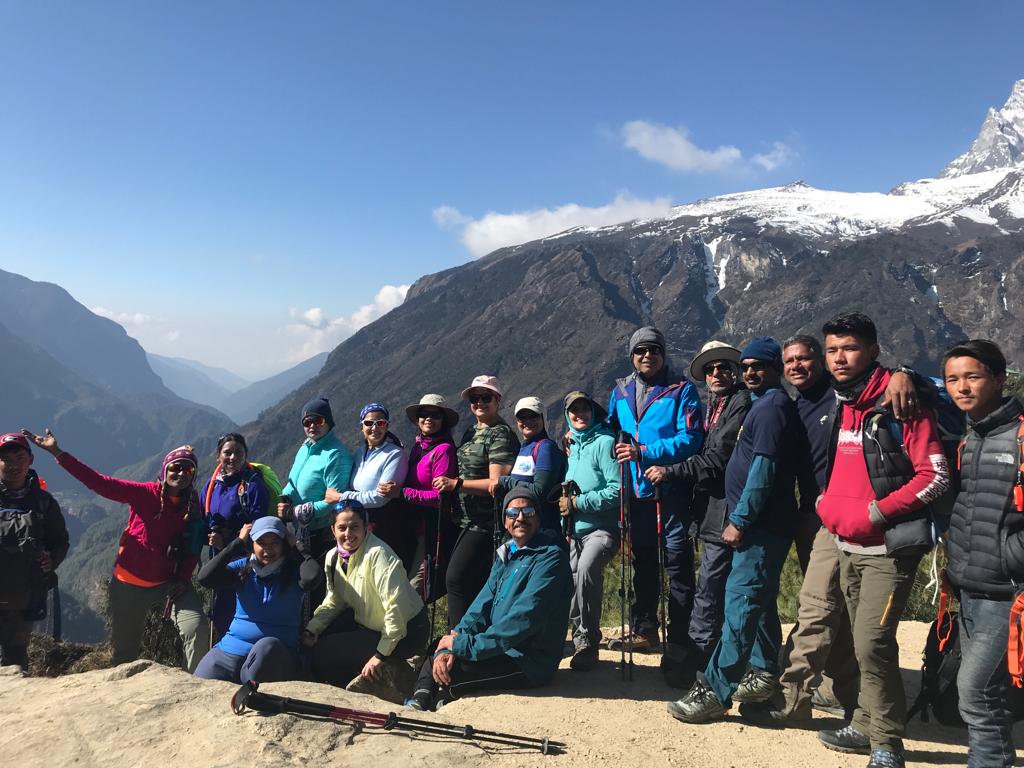 Complete Packing List for Everest Base Camp Trek 2026
Preparing the right gear is essential for a safe and comfortable journey in the Everest Region. The weather in the Everest Base Camp Trek varies from warm days to freezing nights, so both men and women should pack smart, lightweight, and layered clothing.
Packing List Overview (Common Essentials)
| Category | Items |
|---|---|
| Clothing (Layer System) | Thermal base layers, fleece jacket, down jacket, waterproof shell jacket, trekking pants, gloves, wool hat |
| Footwear | Waterproof trekking boots, camp shoes/sandals, thick trekking socks (3–5 pairs) |
| Backpack & Bags | 50–70L backpack, daypack (20–30L), waterproof cover, duffel bag (for porter use) |
| Sleeping Gear | Sleeping bag (-15°C to -20°C rating), sleeping bag liner |
| Accessories | Sunglasses (UV protection), headlamp, trekking poles, water bottles, hydration pack |
| Health & Safety | First aid kit, altitude sickness tablets, sunscreen, lip balm, hand sanitizer |
Male Packing List (Additional Recommendations)
| Items | Notes |
|---|---|
| Extra thermal innerwear | Important for colder nights above 4,000m |
| Lightweight sports shorts | Useful for lower altitude trekking days |
| Shaving kit & hygiene kit | Basic grooming items for long trekking duration |
Female Packing List (Additional Recommendations)
| Items | Notes |
|---|---|
| Sports bra / thermal innerwear | Comfort and support during long hiking days |
| Hair ties, cap & scarf | Protection from wind, dust, and cold |
| Personal hygiene & sanitary products | Important as availability is limited in remote areas |
Tip: Pack light but smart. Everything you carry should be useful, layered, and suitable for changing weather conditions in the Himalayas.
The Everest Base Camp Trek in 2026 requires careful and smart packing due to the extreme and changing conditions of the Everest Region. From warm lower valleys to freezing high-altitude zones near Everest Base Camp, trekkers must be fully prepared with layered clothing, proper footwear, and essential safety gear. A well-planned packing list helps ensure comfort, safety, and better performance throughout the journey.
For both men and women, the focus should be on layering systems that include thermal base layers, insulating fleece or down jackets, and waterproof outer shells. These layers help adapt to rapid weather changes in the Himalayas. Strong trekking boots, warm socks, gloves, and UV-protection sunglasses are also essential for protecting against cold, rough terrain, and strong mountain sun.
Men’s packing considerations often include extra thermal wear for colder nights, lightweight clothing for lower altitudes, and basic hygiene items for the long trekking duration. Women’s packing requirements additionally focus on comfort, hygiene essentials, proper support wear, and protective accessories such as scarves, caps, and hair ties to handle wind and dust in remote areas.
Overall, packing for the Everest Base Camp Trek is about balancing lightweight travel with full preparedness. Carrying the right gear not only improves comfort but also plays a crucial role in safety, especially at higher altitudes. A well-prepared trekker enjoys a smoother, safer, and far more enjoyable Himalayan adventure in 2026.

