
Moderate Everest trekking is an ideal choice for regular trekkers and adventure

Table of Contents
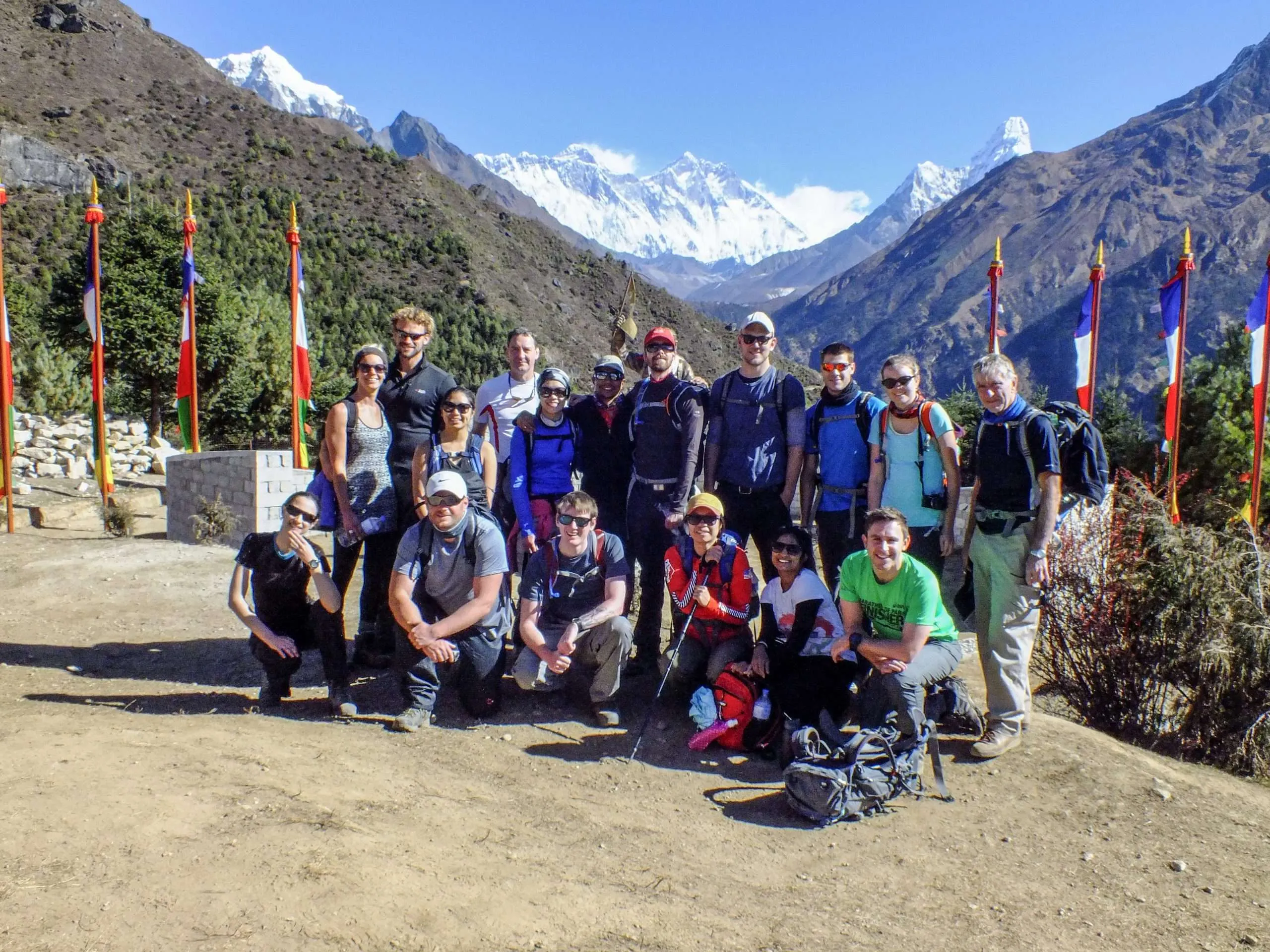
Moderate Everest trekking is an ideal choice for regular trekkers and adventure enthusiasts with good health and average physical fitness. Designed to showcase the stunning beauty of the Everest region while keeping difficulty manageable, these treks typically operate between 3,000 meters and 5,000 meters in altitude. If you want panoramic Himalayan views, warm Sherpa hospitality and authentic cultural encounters—without the technical demands of high-altitude expeditions—this category of trekking is for you.
The moderate Everest trek sits between easy family-friendly hikes and extremely strenuous expeditions. It delivers real mountain experience: long walking days in varied terrain, Himalayan vistas from classic viewpoints, and visits to important cultural sites such as Tengboche Monastery and Namche Bazaar. In short, the moderate trek gives you the feel of the Himalaya with sensible acclimatization and practical comforts.
Why Choose a Moderate Everest Trek?
There are many reasons regular trekkers choose a moderate Everest trek. The routes offer: reliable but gentle altitude gain, a variety of scenery from rhododendron forests to glacial valleys, strong cultural immersion among Sherpa villages, and well-established tea houses and lodges for comfortable nights. For travelers planning their first Himalayan adventure, moderate Everest trekking is an excellent introduction to Nepal trekking packages and Himalayan adventure travel.
Compared with more technical journeys—like Island Peak climbing, the Three Passes Trek, or summit expeditions—the moderate option emphasizes enjoyment, photographs, culture, and safety. A typical moderate itinerary is suitable for couples, small groups, solo travelers, and families with older children who are used to multi-day hiking.
 Popular Moderate Everest Routes
Below are some of the best Everest trekking routes tailored to moderate fitness levels. Each route includes unique highlights and can be adapted to standard or luxury trekking packages.
| Route | Duration | Highlights | Typical Max Altitude |
|---|---|---|---|
| Everest Panorama Trek | 7–10 days | Namche Bazaar, Tengboche Monastery, Everest views | 3,800 m |
| Everest View / Luxury Trek | 5–7 days | Stay at Everest View Hotel, short comfortable walks | 3,880 m |
| Gokyo Valley (Moderate) | 10–14 days | Gokyo Lakes, Gokyo Ri, quieter trails | 5,357 m (Gokyo Ri) |
| Thame Valley Trek | 7–9 days | Traditional Sherpa villages, cultural immersion | 4,000–4,200 m |
Each route can be further customized depending on time, budget, and interest. The Everest Panorama and Everest View treks are great short options; Gokyo Valley adds more scenic variety and a high viewpoint (Gokyo Ri); Thame Valley offers cultural depth.
Sample 10-Day Moderate Everest Panorama Itinerary
This sample itinerary is built for regular trekkers who want a comfortable pace with proper acclimatization.
| Day | Route / Activity | Notes |
|---|---|---|
| Day 1 | Kathmandu to Lukla (flight), trek to Phakding | Short flight to Lukla, gentle walk to Phakding, overnight tea house |
| Day 2 | Phakding to Namche Bazaar | Scenic trail, suspension bridges; acclimatization stop in Namche |
| Day 3 | Acclimatization day — Namche Bazaar | Short hikes to viewpoints, Sherpa Museum, bakery stops |
| Day 4 | Namche to Tengboche | Visit Tengboche Monastery; views of Ama Dablam |
| Day 5 | Tengboche to Dingboche / Pangboche | Higher altitude, steady ascent |
| Day 6 | Dingboche — acclimatization day | Short hikes, rest to adjust |
| Day 7 | Hike to Everest Viewpoint / Return toward Namche | Best photographic viewpoints |
| Day 8 | Trek back to Namche | Downhill day, relaxed pace |
| Day 9 | Namche to Lukla | Return trek with easier walking |
| Day 10 | Lukla to Kathmandu (flight) | Flight back to Kathmandu, celebration dinner |
This itinerary balances acclimatization and sightseeing, minimizes extreme altitude exposure, and gives time to experience Sherpa culture and Himalayan scenery.
Altitude, Acclimatization & Safety
Moderate Everest treks generally keep you below the most dangerous altitude ranges if itineraries include rest days and gradual ascent. Key safety tips:
- Always include at least one acclimatization day above 3,000 m (e.g., Namche Bazaar or Dingboche).
- Monitor symptoms of Acute Mountain Sickness (AMS): headache, nausea, dizziness, and fatigue. Descend immediately if symptoms worsen.
- Hire an experienced local guide and consider a porter for comfort and safety; guides can make critical decisions about pace and emergency evacuation.
Note: Even moderate treks reach elevations where AMS is possible. Proper pacing, hydration, and sleep are essential. Travel insurance with helicopter evacuation is strongly recommended for high-altitude trekking in Nepal.
Cultural Highlights: Sherpa Villages & Monasteries
The Sherpa culture is a central attraction of the Everest region. Villages such as Namche Bazaar, Khumjung, Pangboche and Thame showcase vibrant traditions, prayer flags, Mani stones and monastic festivals. A visit to Tengboche Monastery—an active spiritual center with stunning ridge-top views—is an unforgettable cultural moment during any moderate trek.
Local cuisine, rooftop teahouses, and encounters with yak caravans deepen the cultural experience. Many trekking companies include homestay options and community visits that support sustainable tourism and help preserve Sherpa heritage.
Accommodation, Food & Comfort Options
Moderate treks use tea houses and lodges which offer private rooms and shared facilities. In larger villages such as Namche Bazaar you can find bakeries, coffee shops, and even small luxury lodges. Meals are varied—Nepali dal bhat, momos (dumplings), soups, noodles and pasta provide good calories for walking days.
For travelers seeking extra comfort, choose a luxury Everest View trek package which can include heated rooms, hot showers, and higher-end meals. Always carry a reliable down jacket, sleeping bag rated for 0°C or below, comfortable hiking boots and layered clothing to manage changing mountain weather.
Cost Breakdown (Typical)
Costs vary widely depending on itinerary length, group size, inclusions and season. Below is a typical cost table for guidance.
| Service | Budget Range (USD) |
|---|---|
| Round-trip domestic flight (Kathmandu–Lukla) | $180 – $350 |
| Guides & porters (per person share) | $250 – $500 |
| Accommodation & meals (tea-house) | $200 – $450 |
| Permits & park fees | $50 – $70 |
| Travel insurance & emergency evacuation | $80 – $250 |
| Total (7–14 days, per person) | $700 – $1,800 |
Booking a package through a reputable trekking agency often streamlines permits, flights, guide services and logistics. Luxury options raise the price but improve comfort and convenience.
Packing Checklist for Moderate Everest Trekking
Pack smart—mountain weather changes quickly. Essentials include:
- Layered clothing (base, insulating, shell)
- Sturdy trekking boots and gaiters
- Down jacket and warm hat/gloves
- Sunglasses, sunscreen and lip balm
- Water purification or tablets and a reusable bottle
- Basic first-aid kit, altitude medication (consult a doctor)
- Headlamp, power bank, and spare batteries
Best Time to Go
Spring (March–May) and Autumn (September–November) are the prime seasons for moderate Everest trekking. Spring brings rhododendron blooms and milder temperatures; autumn provides stable weather and the clearest mountain views. Winter is colder and less predictable, while monsoon season brings rain, slippery trails, and reduced visibility.
FAQs
| Question | Answer |
|---|---|
| Is previous trekking experience necessary? | No — moderate treks are suitable for regular hikers with reasonable fitness; some prior day-hiking experience helps. |
| Do I need a guide? | While independent trekking is possible, hiring a licensed local guide improves safety, cultural insight, and logistics. |
| What about altitude sickness? | Acclimatization days and gradual ascent reduce risks. If symptoms appear, descending immediately is essential. |
| Can families join moderate treks? | Yes — families with older, fit children can enjoy these routes; choose shorter itineraries for younger kids. |
Everest base camp trek modrate trekking package
- Sherpa culture trek with Mani Rimdhu Festival
- Everest Panorama trek
- Gokyo Valley trek
Book with Confidence
If you plan to book, pick an experienced, licensed trekking agency that uses local guides and contributes to sustainable tourism programs in the Khumbu. Ask for clear inclusions (flights, permits, guide fees), and confirm cancellation and weather-delay policies. Good agencies will put safety and acclimatization first while helping you get the most out of your Himalayan adventure.
© Actual Adventure Pvt. Ltd. — Moderate Everest Trekking. For booking enquiries, tailor-made itineraries or luxury Everest View treks, contact us at info@actual-adventure.com.

