
What Do You Eat While Trekking to Everest Base Camp in Nepal?

Table of Contents
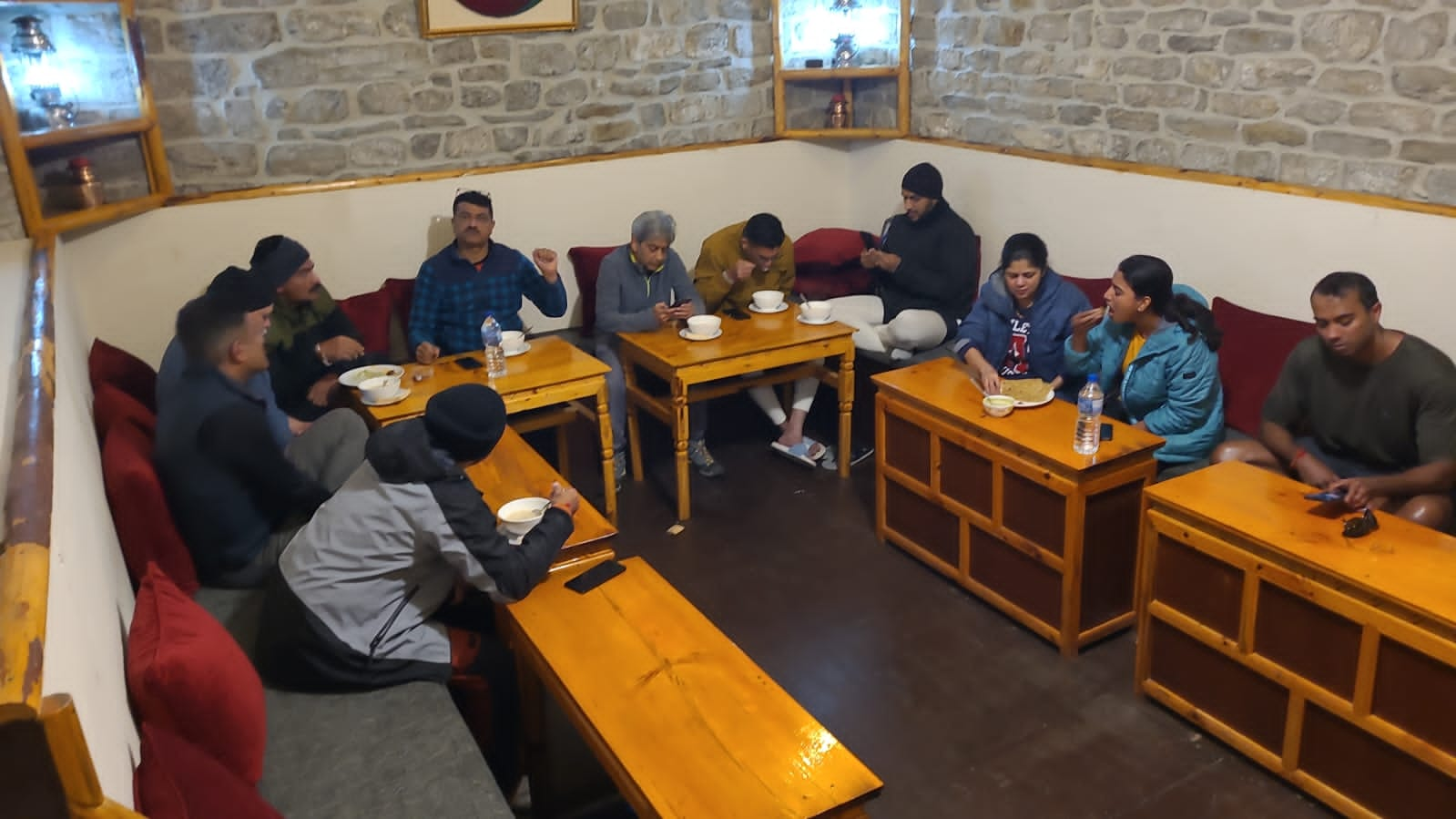
It’s a question every trekker should consider—what will you eat during your journey to Everest Base Camp (EBC)? After a long day of hiking at high altitude, a good meal is not just comforting, it’s essential! Thankfully, you’ll find a variety of hot, freshly prepared dishes available at teahouses along the trail, offering both traditional Nepali and familiar Western options at every mealtime.
Dal Bhat – The Fuel of the Himalayas
Dal Bhat is the go-to meal for both porters and trekkers on the EBC trail. This traditional Nepali dish, made up of rice, lentil soup, and vegetable curry, is often served with unlimited refills—making it a satisfying and cost-effective choice for those burning calories on the trail.
Teahouse Trekking Made Easy
The Everest Base Camp trek is known as a "teahouse trek." Along the route, you’ll stay in cozy teahouses—simple guesthouses found in nearly every village. Rooms are affordable, often just a few dollars per night, especially if you dine there. It’s a practical setup that means you won’t need to carry your own cooking or camping equipment—just hike from one teahouse to the next and refuel with a hearty meal.
If you're preparing for the EBC trek, be sure to check out our comprehensive Everest Base Camp Trekking Guide. It covers everything you need to know to make your adventure safe, enjoyable, and unforgettable.
 🍛 What food is eaten during the Everest Base Camp (EBC) trek?
During the EBC trek, you’ll eat at teahouses (local lodges) that offer a mix of Nepali, Tibetan, and Western meals. Common foods include:
🥘 Main Meals:
-
Dal Bhat (rice, lentil soup, curry, veggies) – the most popular and filling dish
-
Noodles (fried or in soup)
-
Momos (Tibetan dumplings)
-
Pasta, pizza, macaroni
-
Fried rice or chowmein
-
Sherpa stew (hearty local soup with veggies/meat)
-
Eggs (boiled, scrambled, omelets)
-
Pancakes, toast, porridge (breakfast options)
💸 How much is food on the Everest Base Camp trek?
Food prices increase with altitude because everything is carried by porters or yaks. Here's an approximate range:
| Item | Cost at Lower Elevation | Cost at Higher Elevation |
|---|---|---|
| Dal Bhat | $4 – $6 | $8 – $10+ |
| Tea / Coffee | $1 – $2 | $3 – $5 |
| Fried rice / Noodles | $5 – $7 | $7 – $10+ |
| Pancakes / Toast | $3 – $5 | $5 – $7 |
| Boiled water (1L) | $0.5 – $1 | $2 – $4 |
| Chocolate bars/snacks | $1 – $2 | $3 – $5 |
📝 Daily food budget: $25–$40 per person (depending on appetite and altitude)
🏔️ What do people eat when climbing Mount Everest (expedition climbers)?
Mountaineers climbing Everest (not trekking) eat high-calorie, lightweight, and easy-to-prepare food, especially above base camp.
🥫 Common Expedition Food:
-
Freeze-dried meals (rehydrated with hot water)
-
Instant noodles, pasta, soups
-
Energy bars, nuts, trail mix
-
Chocolates, cookies
-
Canned tuna, meat, cheese
-
Hot drinks (tea, coffee, hot chocolate, electrolyte drinks)
-
Porridge or oats for breakfast
At Base Camp, meals are more varied, often with a camp cook preparing fresh food including rice, curries, eggs, and vegetables.
 🎒 What do they eat in Nepal trekking in general?
Across most trekking routes in Nepal (Annapurna, Langtang, Manaslu, etc.), the diet is similar to EBC:
-
Dal Bhat (always!)
-
Momos (local dumplings)
-
Noodle soup / Thukpa (Tibetan)
-
Tibetan bread with honey/jam
-
Pancakes, porridge, eggs
-
Potatoes (fried, boiled, mashed)
-
Stews and curries
Vegetarian meals are common and safe. Meat is available at lower altitudes but not recommended higher up due to lack of refrigeration.
🥜 What is the best snack for trekking in Nepal?
You’ll want snacks that are:
-
High-energy
-
Non-perishable
-
Lightweight
✅ Best Snacks for Trekking:
-
Peanut butter sachets
-
Trail mix (nuts, raisins, seeds)
-
Energy bars (Clif bars, Snickers, etc.)
-
Dry fruits (dates, apricots, figs)
-
Instant noodles or soup packets
-
Protein cookies
-
Electrolyte drink powder or ORS
-
Hard candy or glucose tablets (for energy boosts)
💡 Pro Tip: Bring snacks from Kathmandu or your home country—they’re cheaper and better quality than what you’ll find on the trail.

