
Everest Base Camp Elevation: How High Is It on the Tibet and Nepal Sides?

Table of Contents
Everest Base Camp Elevation: How High Is It on the Tibet and Nepal Sides?
When you think of trekking to Everest Base Camp, you're not just signing up for a hike — you're stepping into an adventure that touches the sky. The world’s highest mountain, Mount Everest (8,848.86 meters / 29,031.7 feet), draws adventurers from every corner of the globe. But here’s a fascinating fact many trekkers don’t realize:
There are two Everest Base Camps — one in Nepal and one in Tibet (China) — and they sit at different elevations.
So how high are they really? And what can you expect from each? Let’s dive into the details.
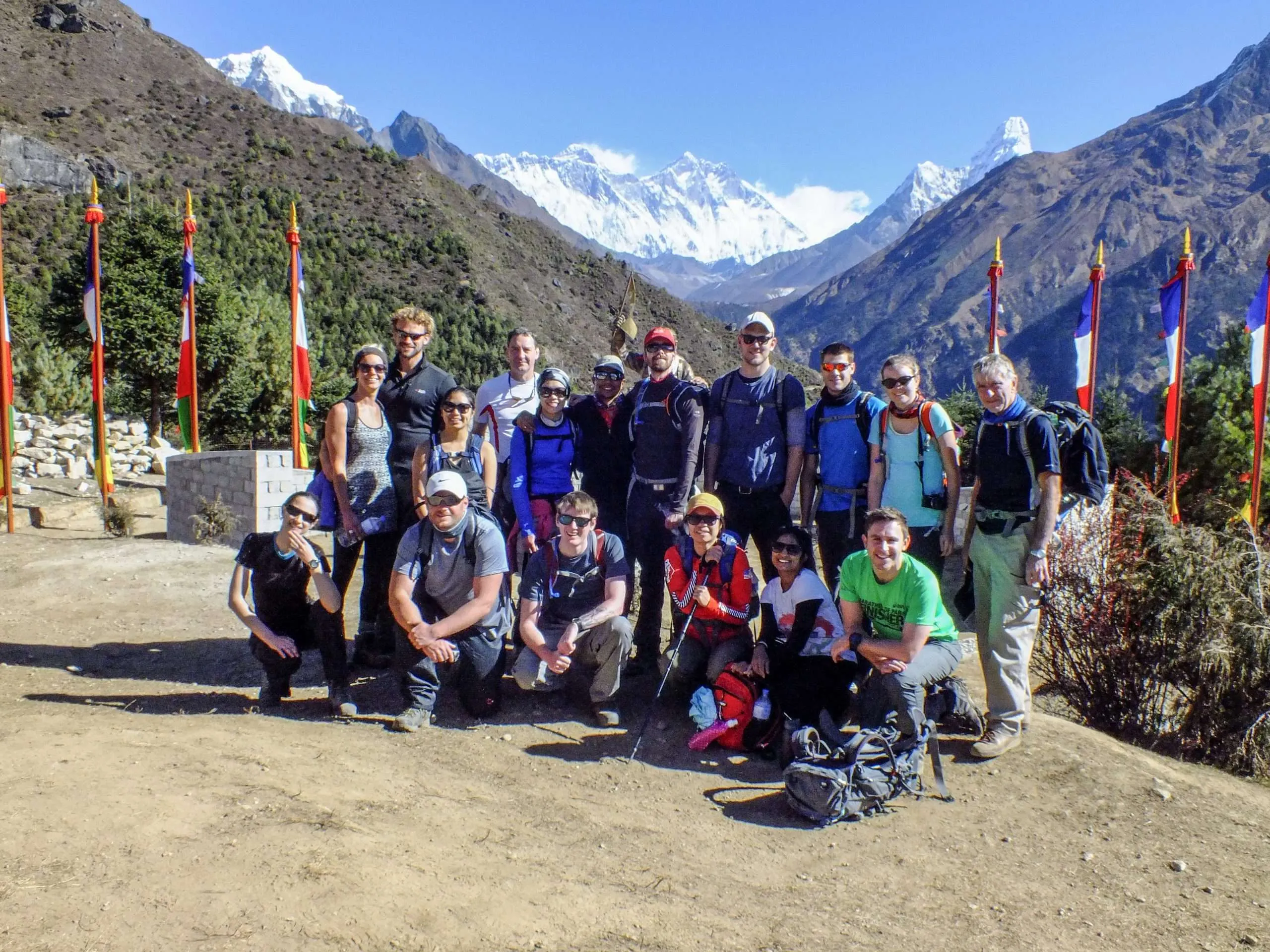 🏔️ Everest Base Camp (Nepal Side) – 5,364 meters / 17,598 feet
The South Base Camp, located in Nepal, is the more famous of the two and is reached by trekking through the Khumbu region via the legendary Everest Base Camp Trek. This route takes you past ancient Sherpa villages, colorful prayer flags, suspension bridges, and jaw-dropping Himalayan vistas.
-
Starting Point: Lukla (2,860 m / 9,383 ft)
-
Elevation Gain: Over 2,500 meters from Lukla to EBC
-
Main Highlights: Namche Bazaar, Tengboche Monastery, Kala Patthar, Khumbu Glacier
This camp is a hub of excitement during the climbing season (April–May), with hundreds of climbers and support teams preparing for summit attempts.
Why Choose the Nepal Side?
-
Authentic trekking experience through stunning alpine landscapes
-
Rich Sherpa culture and warm hospitality
-
Access to Kala Patthar (5,545 m / 18,192 ft), the best viewpoint of Everest
-
Perfect for non-climbers who want to reach the iconic base camp by foot
🏔️ Everest Base Camp (Tibet Side) – 5,200 meters / 17,060 feet
On the north side, located in Tibet, you’ll find the North Base Camp, accessible by road from Lhasa via the Friendship Highway. Unlike the Nepal side, where you have to trek, the Tibetan base camp can be reached by vehicle — though trekking options exist for those who want to earn the view.
-
Starting Point: Tingri or Rongbuk Monastery area
-
Elevation: Slightly lower than the Nepal side, but no less dramatic
-
Main Highlights: Rongbuk Monastery, panoramic views of Everest’s north face, stark Tibetan plateau
This base camp is more remote and has stricter regulations due to political and environmental considerations, but the rewards are equally breathtaking.
Why Choose the Tibet Side?
-
Incredible road trip through the high Tibetan plateau
-
Unique perspective of Everest’s majestic north face
-
Less crowded, more peaceful environment
-
Ideal for those interested in cultural and overland expeditions
🚩 Nepal vs. Tibet: Which Everest Base Camp Should You Choose?
| Feature | Nepal Base Camp | Tibet Base Camp |
|---|---|---|
| Elevation | 5,364 m (17,598 ft) | 5,200 m (17,060 ft) |
| Access | Trek only | Road or short trek |
| Culture | Sherpa, Buddhist | Tibetan Buddhist |
| View of Everest | From Kala Patthar | From base camp itself |
| Permit Requirements | TIMS + Sagarmatha NP Permit | Chinese visa + Tibet Travel Permit |
| Best for | Trekkers, photographers, adventure travelers | Culture seekers, overlanders, photographers |
🧭 Ready to Stand in the Shadows of the World’s Tallest Mountain?
Whether you choose the challenging trek through Nepal or the road-accessible base camp in Tibet, one thing is guaranteed: Everest will leave you changed.
At [Your Company Name], we offer fully guided expeditions, treks, and cultural tours to both sides of Mount Everest. Our expert guides, local knowledge, and safety-first approach ensure that your journey is not just memorable — it's extraordinary.
1. Where is Everest in which country?
Mount Everest is located on the border between Nepal and the Tibet Autonomous Region of China. Its southern side (including the popular trekking route to Everest Base Camp) lies in Nepal, while the northern side is in Tibet (China).
2. What is the route of Everest?
There are two main climbing routes to the summit of Everest:
-
South Route (Nepal side): Starts from Lukla → Phakding → Namche Bazaar → Tengboche → Dingboche → Lobuche → Gorak Shep → South Base Camp (5,364 m) → through the Khumbu Icefall, Western Cwm, Lhotse Face, South Col, and then to the summit.
-
North Route (Tibet side): Begins from Tingri → North Base Camp (5,150 m) → up through the Rongbuk Glacier, North Col, and then to the summit.
The South route in Nepal is more popular and widely used.
3. Which city is closest to Mount Everest?
The closest major city is Kathmandu, Nepal, about 160 km (100 miles) away as the crow flies. However, the nearest town with road access to the Everest region is Lukla, accessible by a short flight from Kathmandu.
4. Can we see Everest from Everest Base Camp?
No, the summit of Mount Everest is not clearly visible from the South Base Camp in Nepal. The view is blocked by nearby peaks like Nuptse and Lhotse. However, you can get excellent views of Everest from nearby vantage points like:
-
Kala Patthar (5,545 m)
-
Gokyo Ri
-
Everest View Hotel near Namche Bazaar
5. Did Nepalese climb Everest first?
No, the first successful ascent of Everest was made by Sir Edmund Hillary (New Zealand) and Tenzing Norgay Sherpa (Nepalese) on May 29, 1953. Tenzing Norgay, a Nepalese Sherpa, played a crucial and heroic role in this historic climb.
6. Is Mount Everest in 2 countries?
Yes, Mount Everest straddles the border between two countries: Nepal and China.
-
The southern face is in Nepal, in Sagarmatha National Park.
-
The northern face is in Tibet (China), in Qomolangma National Nature Preserve.
🚀 Let’s Elevate Your Adventure!
Book your Everest Base Camp experience today — the roof of the world is waiting.

