
Moderate Everest Trekking – The Perfect Adventure for Regular Trekkers

Table of Contents
Introduction
If you’ve dreamed of walking in the shadows of the world’s tallest peaks but worried the climb might be too extreme, moderate Everest trekking is the perfect choice for you. Designed for regular trekkers and travelers with average fitness, this trek allows you to experience the majesty of the Everest region, explore authentic Sherpa culture, and enjoy cozy tea house hospitality — all at a manageable pace.
In this article, we’ll cover the best moderate Everest trekking options, tips for average fitness levels, what to expect on a 15-day itinerary, and why a moderate altitude trek in Nepal is an adventure you’ll cherish forever.
Moderate Everest trekking
Moderate Everest trekking is the perfect adventure for those who want to experience the iconic trails of the Everest region without committing to an extremely challenging climb. This trek strikes a balance between adventure and comfort, taking you through beautiful Sherpa villages, lush forests, and high-altitude viewpoints. With altitudes reaching 3,000–5,000 meters and manageable daily hikes, it’s an ideal choice for trekkers who want to explore the Himalayas at a comfortable pace.
Everest trekking for regular trekkers
Everest trekking for regular trekkers is tailored for those who maintain an active lifestyle and have average fitness. You don’t need to be a professional mountaineer to enjoy the beauty of Everest. This trek allows regular hikers to walk at their own pace, covering scenic trails that showcase the snow-capped peaks, traditional monasteries, and welcoming Sherpa culture, while staying within their physical limits.
Everest Base Camp moderate trek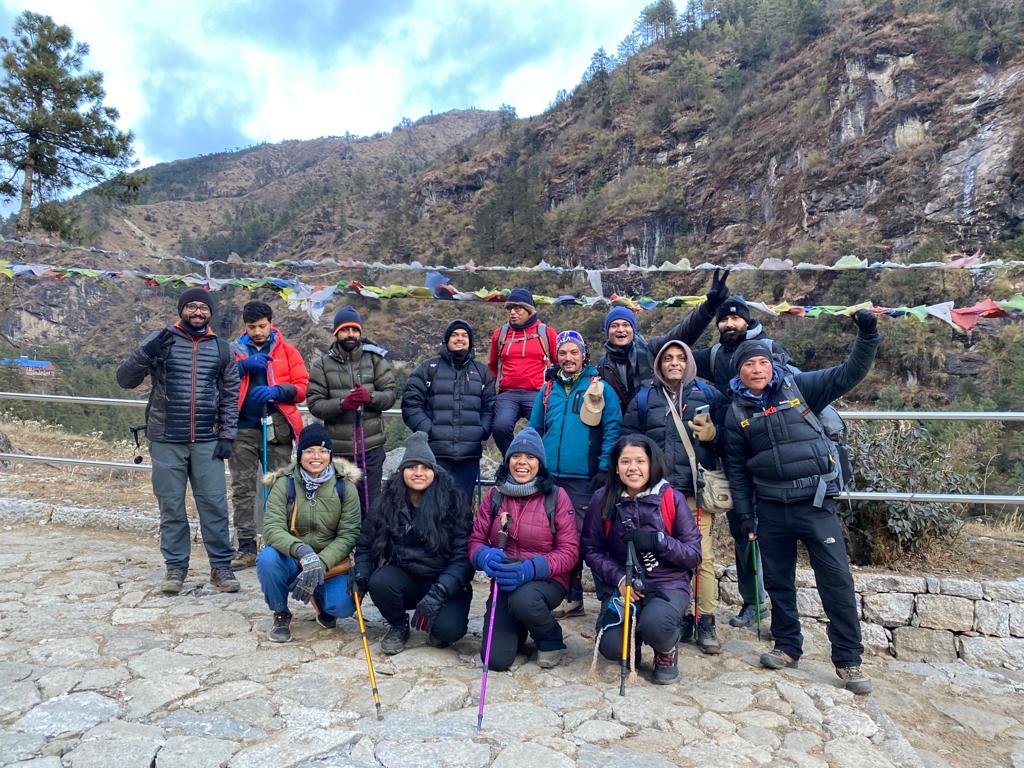
The Everest Base Camp moderate trek is one of the most popular trekking routes in Nepal, offering the thrill of reaching the foot of the world’s highest mountain. With a steady itinerary, this trek includes plenty of time for acclimatization and takes you to iconic landmarks like Namche Bazaar, Tengboche Monastery, Kala Patthar, and the Base Camp itself. It’s a moderately challenging yet rewarding journey suited for most trekkers with good health and determination.
Everest Panorama trek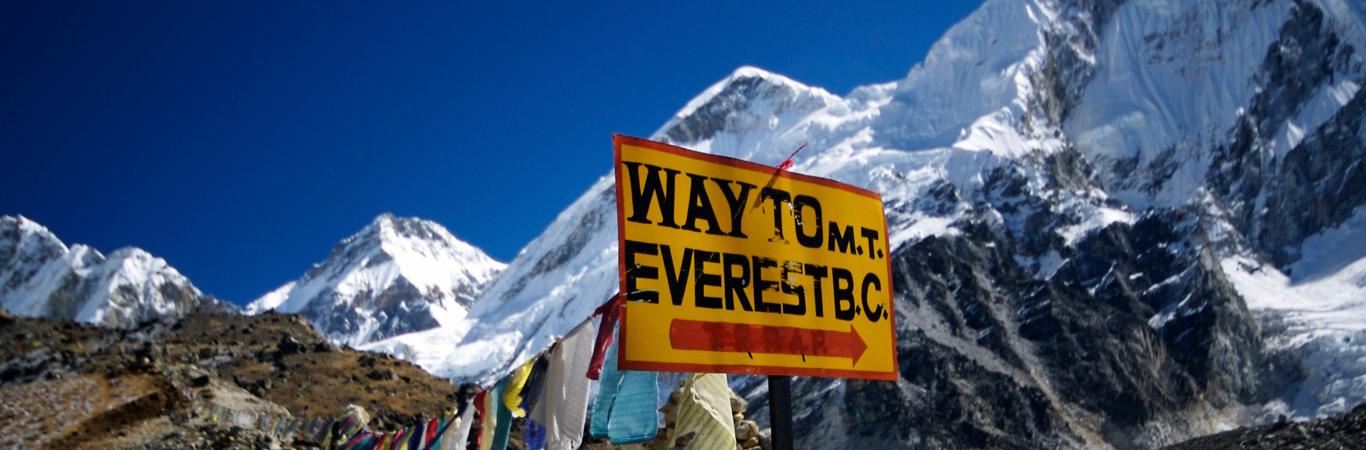
The Everest Panorama trek is a shorter and less demanding alternative to the full Everest Base Camp trek. Perfect for those with limited time or who prefer lower altitudes, this trek still offers stunning views of Everest, Ama Dablam, Lhotse, and other peaks. It usually takes you up to Tengboche Monastery (around 3,800m) and back, making it an excellent choice for travelers seeking a moderate trek with spectacular Himalayan scenery.
Gokyo Lakes moderate trek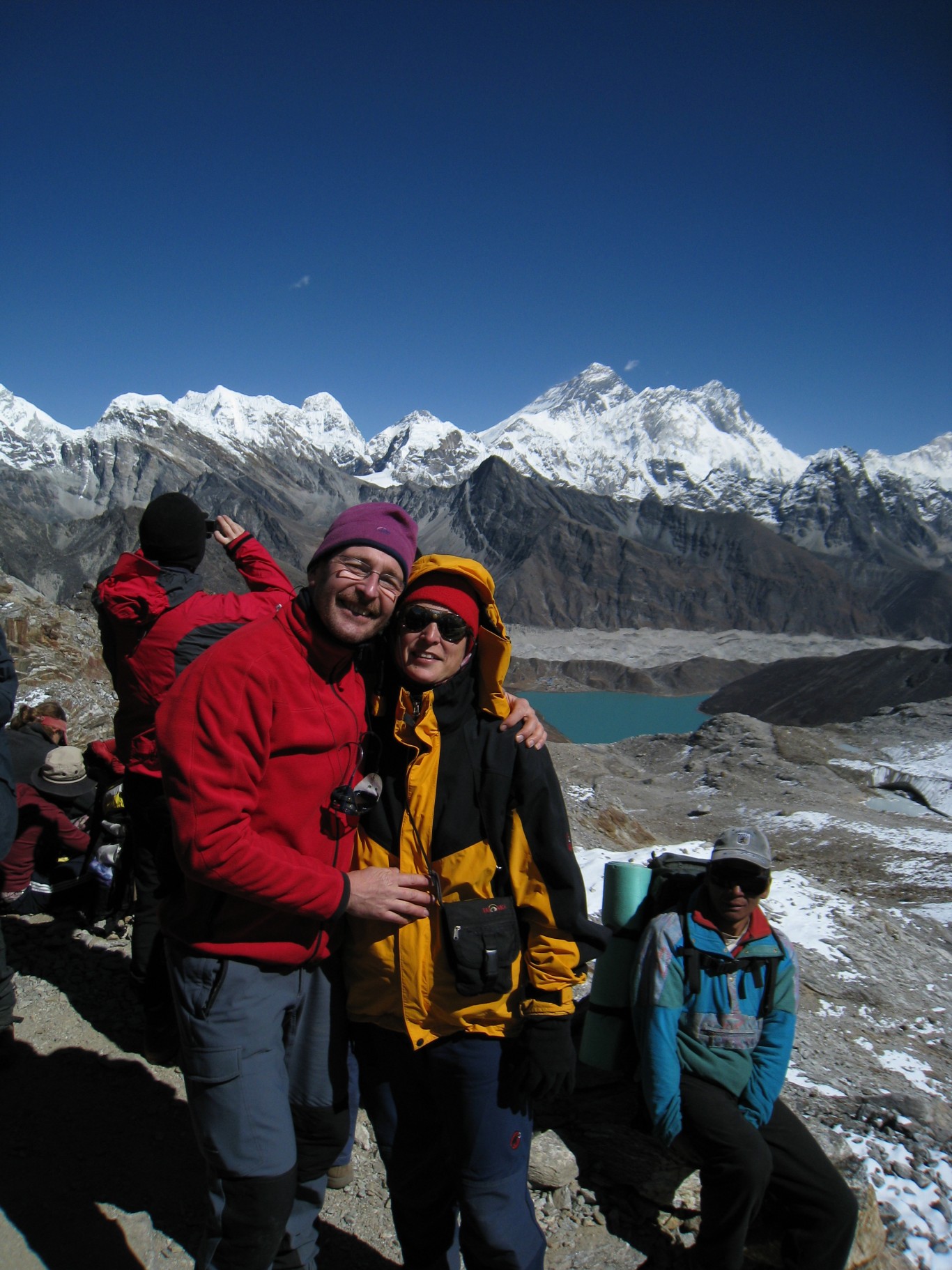
The Gokyo Lakes moderate trek is a quieter, less crowded alternative in the Everest region. This trek takes you to the breathtaking turquoise Gokyo Lakes and offers panoramic views from Gokyo Ri. With a maximum altitude of around 5,357m, this route provides a unique perspective of Everest and the surrounding peaks, combined with glacier walks and visits to serene Sherpa villages. It’s a perfect moderate-level trek for nature lovers.
Sherpa culture trek in Everest
A Sherpa culture trek in Everest is ideal for those who want to immerse themselves in the rich traditions and spiritual life of the Himalayan people. Along the moderate trekking trails, you’ll visit ancient monasteries, colorful prayer flags, and friendly Sherpa homes. This trek is not just about the mountains — it’s also a journey through the heart of Sherpa heritage, where you’ll learn about their Buddhist beliefs, festivals, and daily life.
Tea house trekking in Nepal
Tea house trekking in Nepal is the most popular way to experience the Himalayas. On a moderate Everest trek, you’ll stay in comfortable, family-run tea houses that offer warm meals, cozy beds, and local hospitality. This style of trekking is perfect for those who want a cultural experience combined with adventure, without the need to carry camping gear. Tea house trekking also supports local communities directly.
Best Everest trek for average fitness
The best Everest trek for average fitness is designed for trekkers who want to experience the grandeur of the Himalayas without overexertion. Moderate treks in the Everest region cater to those who can walk 5–8 hours a day and handle some uphill and downhill sections. Routes like the Everest Panorama or Gokyo Valley treks are excellent examples, offering stunning landscapes and achievable challenges for everyone with good health.
15-day Everest trek itinerary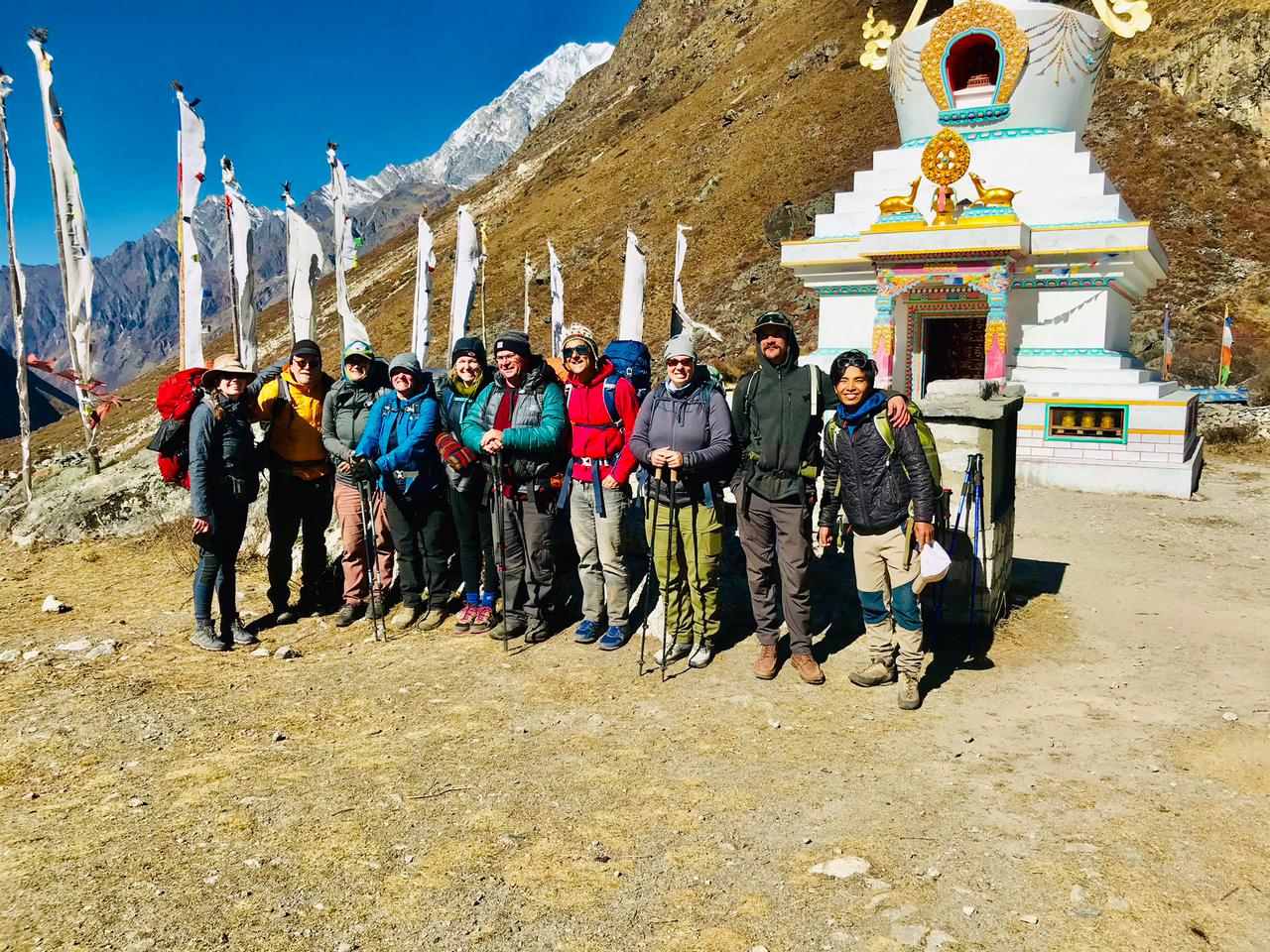
A 15-day Everest trek itinerary is perfect for those who want a complete yet moderate experience of the Everest region. This typical itinerary includes arrival and departure days, acclimatization breaks, and ample time to enjoy the scenery and culture along the way. You’ll walk through vibrant Sherpa villages, cross high suspension bridges, visit monasteries, and reach iconic points like Kala Patthar and Everest Base Camp at a comfortable pace.
Moderate altitude trekking in Nepal
Moderate altitude trekking in Nepal usually takes you between 3,000m and 5,000m — high enough to enjoy incredible mountain views and feel the thrill of the Himalayas, but low enough to reduce the risk of serious altitude sickness. The moderate altitude routes in the Everest region are perfect for trekkers looking for adventure combined with safety and comfort, making it accessible for those with average fitness and no extreme mountaineering experience.
Why Choose Moderate Everest Trekking?
Moderate Everest trekking is suitable for physically healthy individuals who can walk 5–8 hours a day over steep, rocky, and sometimes challenging terrain. You’ll ascend to altitudes between 3,000m and 5,000m — high enough for breathtaking views of Mount Everest and its neighbors, but not as demanding as technical climbs or ultra-high expeditions.
This type of trekking combines adventure and cultural discovery: staying in tea houses, meeting Sherpa families, and visiting ancient monasteries.
Best Moderate Everest Trekking Routes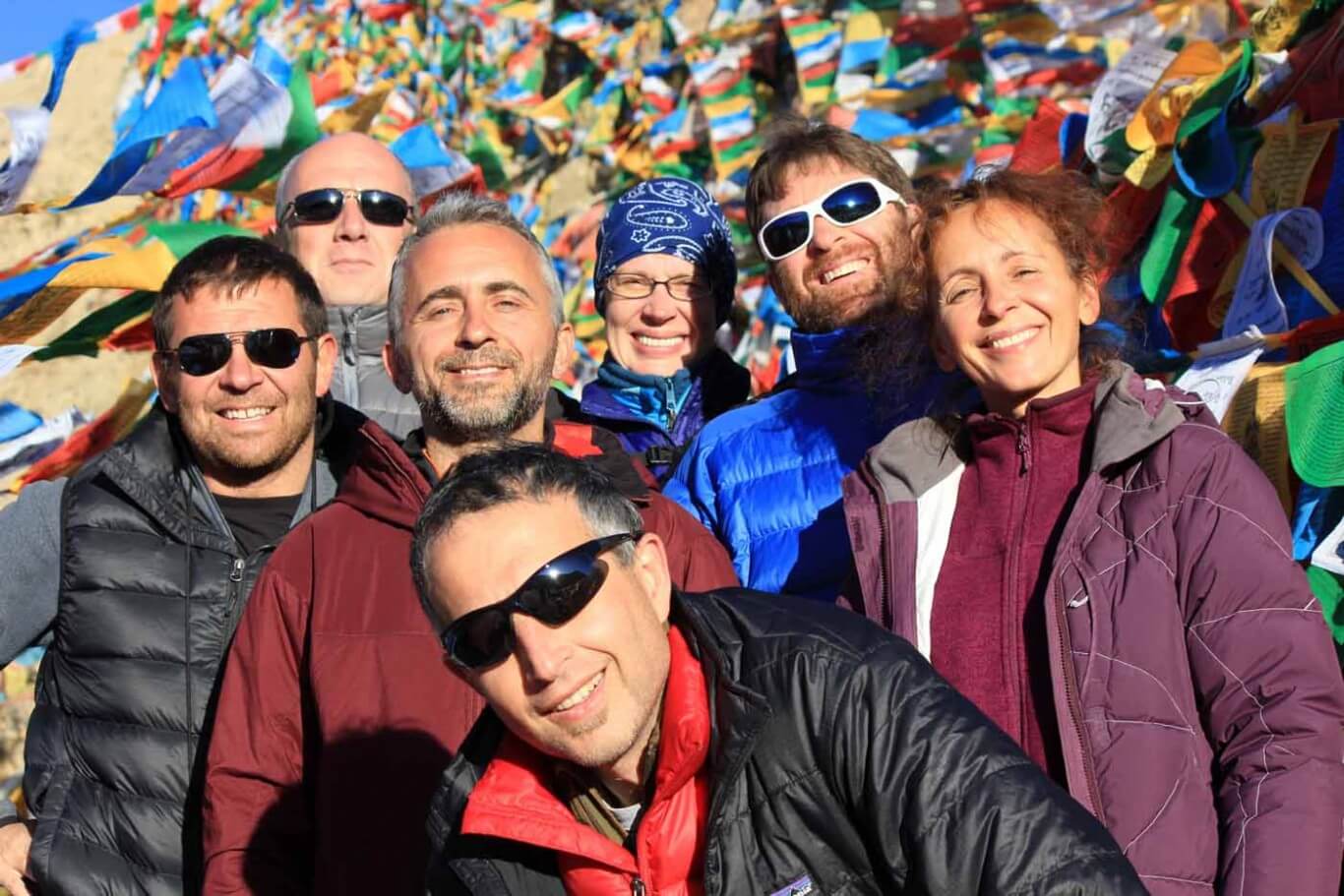
Everest Trekking for Regular Trekkers
For those who already enjoy hiking or exercise regularly, Everest trekking for regular trekkers offers just the right level of challenge. The trails are demanding enough to keep it exciting but don’t require expert mountaineering skills.
You’ll walk through beautiful valleys, climb moderate passes, and marvel at incredible Himalayan views — all achievable for regular fitness enthusiasts.
Everest Base Camp Moderate Trek
One of the most iconic adventures in the world, the Everest Base Camp moderate trek takes you to 5,364m at the base of Mount Everest. The trek follows a gradual itinerary with time for acclimatization, making it accessible for regular trekkers. Along the way, you’ll visit landmarks like Namche Bazaar, Tengboche Monastery, and Kala Patthar for the ultimate panoramic view of Everest.
Everest Panorama Trek
If you’re short on time or prefer a lower altitude trek, the Everest Panorama trek is a great option. This route usually goes as far as Tengboche Monastery (around 3,800m) and offers stunning views of Everest, Ama Dablam, and Lhotse. It’s perfect for travelers seeking a moderate trek that delivers Himalayan beauty without pushing to extreme elevations.
Gokyo Lakes Moderate Trek
For something quieter and equally spectacular, consider the Gokyo Lakes moderate trek. This route leads to the shimmering turquoise Gokyo Lakes and climbs Gokyo Ri (5,357m), a viewpoint that rivals Kala Patthar for its panoramic views. You’ll also encounter fewer crowds, serene trails, and breathtaking glacial landscapes.
Cultural Highlights – Sherpa Culture Trek in Everest
Beyond the mountains, the Sherpa culture trek in Everest offers a deep dive into the traditions and spiritual life of the legendary Sherpa people. You’ll walk past colorful prayer flags, visit centuries-old monasteries, spin prayer wheels, and learn about the Buddhist way of life that shapes the Everest region.
Where You’ll Stay – Tea House Trekking in Nepal
One of the best aspects of trekking in Nepal is the unique tea house trekking experience. Instead of camping, you’ll stay in charming family-run lodges known as tea houses. These offer warm meals, basic but comfortable rooms, and a chance to connect with local families.
Tea house trekking in Nepal is both convenient and culturally enriching, making your journey more authentic and sustainable.
Best Everest Trek for Average Fitness
If you have average fitness — meaning you can hike for 5–8 hours a day, handle some steep climbs, and stay active for two weeks — the Everest region has plenty of suitable routes. The Everest Base Camp, Gokyo Lakes, and Panorama treks are all excellent examples of the best Everest trek for average fitness. With some preparation and a steady pace, anyone in good health can complete these treks successfully.
Suggested 15-Day Everest Trek Itinerary
A typical 15-day Everest trek itinerary might look like this:
-
Day 1–2: Arrival in Kathmandu & flight to Lukla
-
Day 3–4: Trek to Namche Bazaar & acclimatization
-
Day 5–6: Trek to Tengboche & Dingboche
-
Day 7–8: Acclimatization day & hike to Lobuche
-
Day 9–10: Reach Everest Base Camp & Kala Patthar
-
Day 11–12: Return trek via Pheriche & Namche
-
Day 13–14: Trek back to Lukla & fly to Kathmandu
-
Day 15: Departure
This itinerary includes ample time for acclimatization and sightseeing while keeping the daily hikes manageable.
The Joy of Moderate Altitude Trekking in Nepal
Moderate altitude trekking in Nepal — between 3,000m and 5,000m — offers the perfect balance between adventure and safety. You’ll experience the thrill of high-altitude trekking, enjoy some of the world’s best mountain scenery, and minimize the risks associated with extreme heights.
Ready to Begin Your Journey?
Book your moderate Everest trek today and experience the best of Nepal’s mountains, culture, and hospitality at your own pace. Contact us now to plan your dream trek!
Everest Packing List – What to Pack for Your Everest Trek
Introduction
Packing properly is key to enjoying a safe and comfortable trek in the Everest region. Whether you’re heading to Everest Base Camp or a moderate trek like Gokyo Lakes, this Everest packing list covers all the essentials you’ll need for the Himalayas.
Essential Clothing
✅ Base layers (thermal tops & bottoms)
✅ Fleece jacket or down jacket
✅ Waterproof & windproof outer shell (jacket & pants)
✅ Trekking pants & shirts (quick-dry)
✅ Warm hat, sun hat & gloves
✅ Woolen socks & liner socks
✅ Comfortable underwear & sports bra
Footwear
✅ Sturdy, broken-in trekking boots
✅ Lightweight camp shoes (sandals or sneakers)
✅ Gaiters (optional, for snow)
Gear & Accessories
✅ Sleeping bag (rated to -10°C to -15°C)
✅ Trekking poles
✅ Backpack (30–50L for day pack)
✅ Duffel bag (if using porters)
✅ Headlamp with extra batteries
✅ Sunglasses (UV protection)
✅ Water bottles or hydration bladder
✅ Water purification tablets or filter
Toiletries & Medications
✅ Sunscreen & lip balm (SPF 50+)
✅ Wet wipes & hand sanitizer
✅ Basic first aid kit (with altitude medicine)
✅ Personal medications
✅ Toothbrush, toothpaste, and biodegradable soap
Documents & Money
✅ Passport & photocopies
✅ TIMS card & trekking permits
✅ Local currency (Nepalese rupees)
Final Tip
Pack light but smart — aim for no more than 10–12 kg for your porter and 5–7 kg in your day pack.
Acclimatization Tips for Everest Treks
Introduction
One of the biggest challenges of trekking in the Himalayas is the high altitude. Proper acclimatization is crucial to staying healthy and enjoying your journey. Here are some proven acclimatization tips for trekking in the Everest region.
What is Acclimatization?
Acclimatization is the process of adjusting to lower oxygen levels at higher altitudes. Failing to acclimatize can result in Acute Mountain Sickness (AMS), which can be serious.
Tips to Acclimatize Properly
✅ Ascend Gradually
Don’t gain more than 300–500m per day once above 3,000m.
✅ Take Rest Days
Plan at least 1–2 acclimatization days (commonly in Namche Bazaar and Dingboche).
✅ Stay Hydrated
Drink plenty of water (3–4 liters daily) but avoid excessive caffeine and alcohol.
✅ Climb High, Sleep Low
On rest days, take short hikes to higher elevations and return to sleep at a lower altitude.
✅ Eat Well & Rest Well
Carbs help your body at altitude, and good sleep improves recovery.
✅ Recognize Symptoms
If you experience a headache, nausea, dizziness, or breathlessness, stop ascending and rest.
Final Tip
Always listen to your guide and body. If symptoms persist or worsen, descend immediately.
Best Time to Trek Everest
Best Time to Trek Everest – When to Go for the Perfect Trekking Experience
Keynote: Find out the best time to trek to Everest Base Camp & beyond. Learn about seasons, weather & tips for choosing the perfect time to visit Everest.
Introduction
Wondering when to plan your Everest adventure? The best time to trek Everest depends on weather, visibility, and personal preference. Here’s a guide to the seasons in the Everest region.
Spring (March–May)
✅ Best weather & clear skies
✅ Rhododendron forests in bloom
✅ Moderate temperatures & longer days
✅ Slightly busy with trekkers
Autumn (September–November)
✅ Most popular trekking season
✅ Crystal-clear mountain views
✅ Stable weather & mild temperatures
✅ High demand — book early!
Winter (December–February)
✅ Cold & snowy, fewer crowds
✅ Shorter days & possible trail closures
✅ Best for experienced trekkers who enjoy solitude
Summer/Monsoon (June–August)
✅ Wet & cloudy, with leeches on lower trails
✅ Not ideal for trekking but great for lush greenery & fewer tourists
https://www.everestbasecamptrektours.com/activity/moderate-trekking
Final Tip
For most trekkers, spring (March–May) and autumn (September–November) offer the best conditions for trekking in the Everest region.
Conclusion
Whether you’re preparing your Everest packing list, learning how to acclimatize properly, or figuring out the best time to trek Everest, planning ahead ensures a safe and unforgettable adventure. Ready to start your journey? Contact us to book your Everest trek today! Whether you choose the classic Everest Base Camp trek, the serene Gokyo Lakes, or the scenic Panorama trek, moderate Everest trekking gives you the adventure of a lifetime without being overwhelming. It’s perfect for regular trekkers, families, and anyone eager to explore the Himalayas, discover Sherpa culture, and enjoy warm tea house hospitality.

