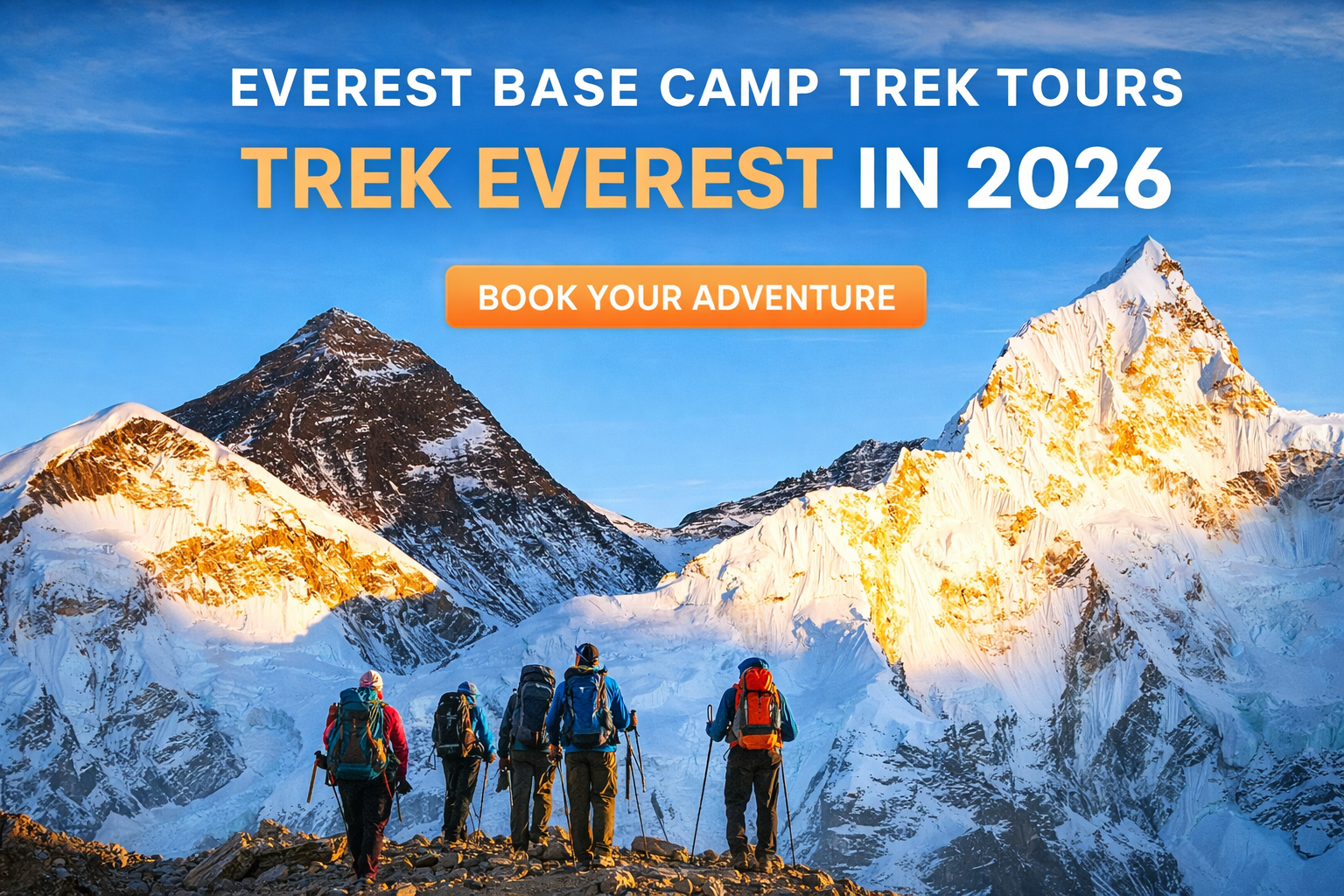
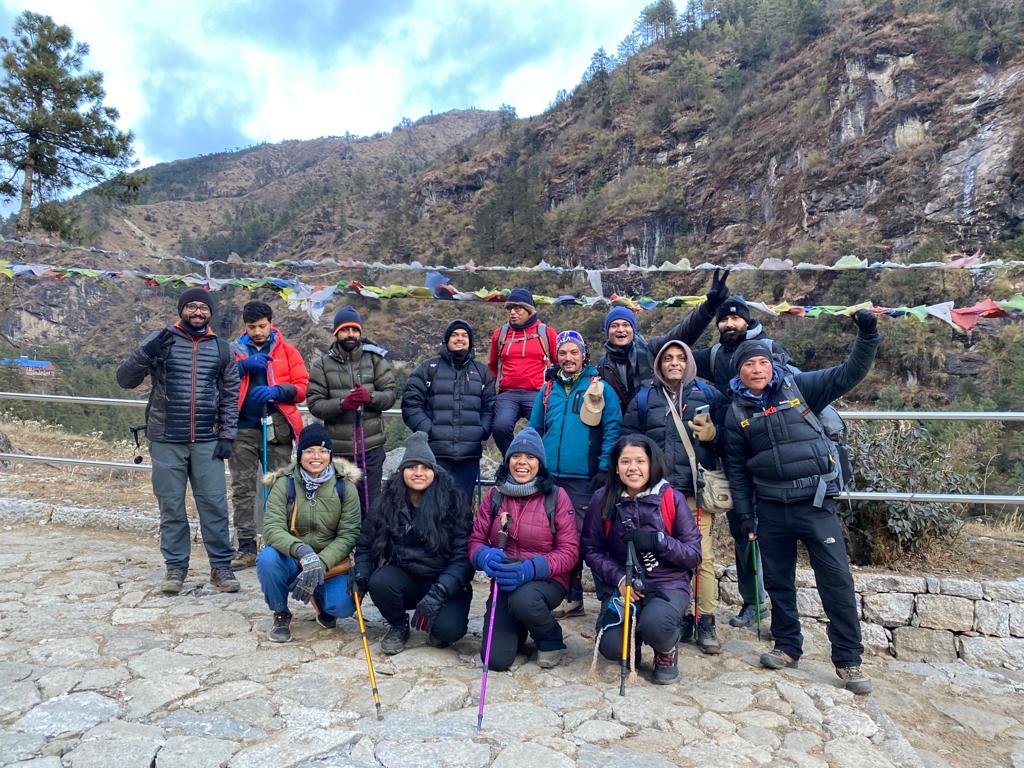
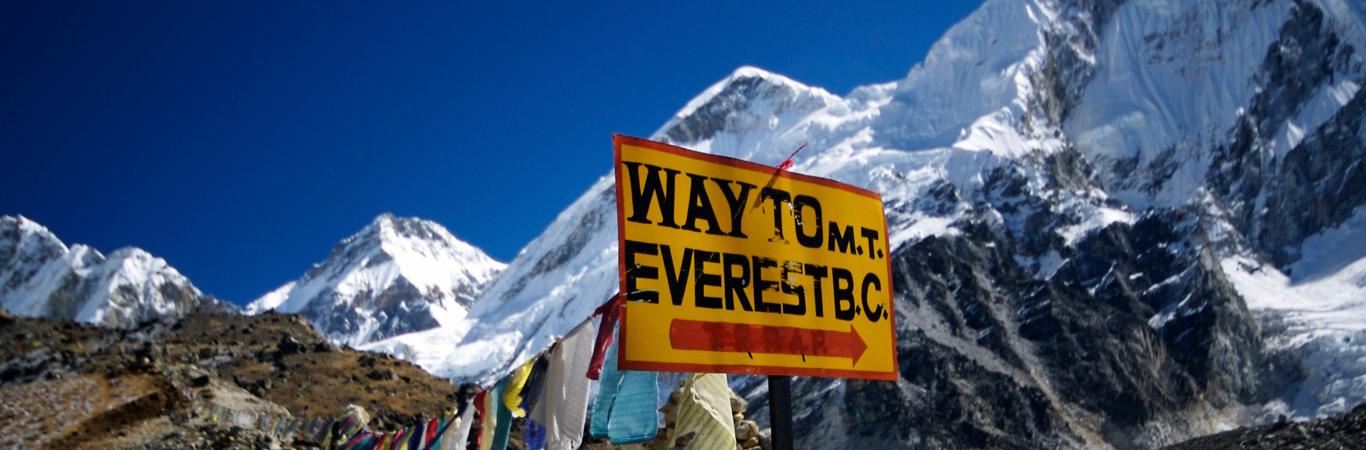
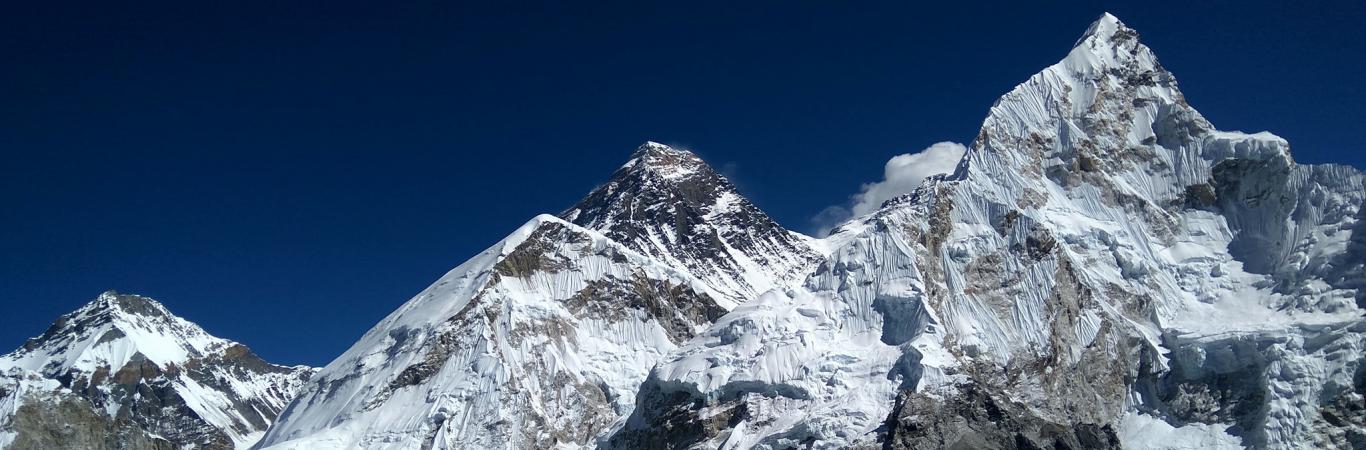
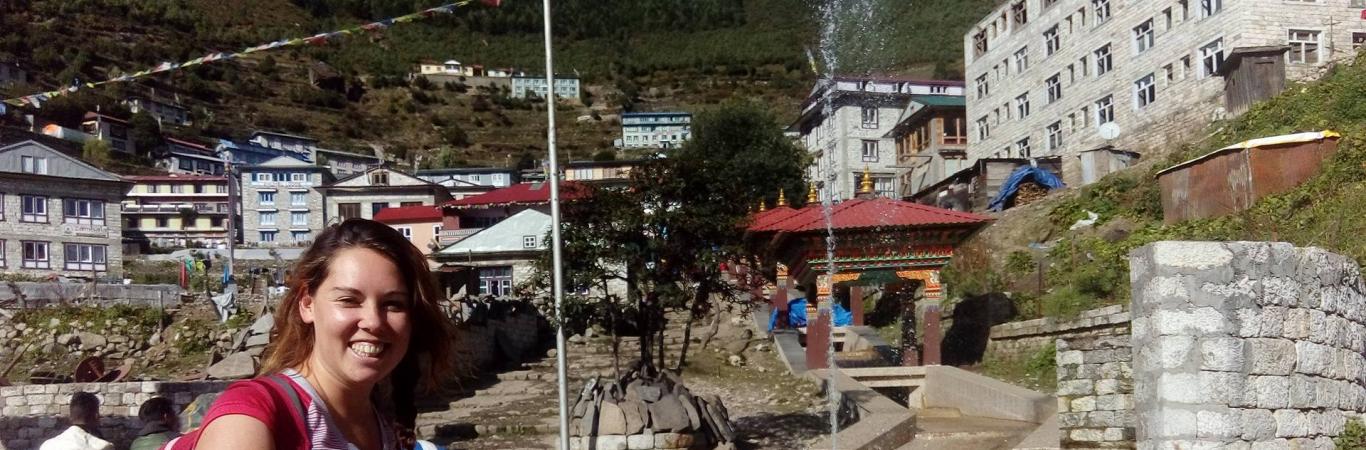
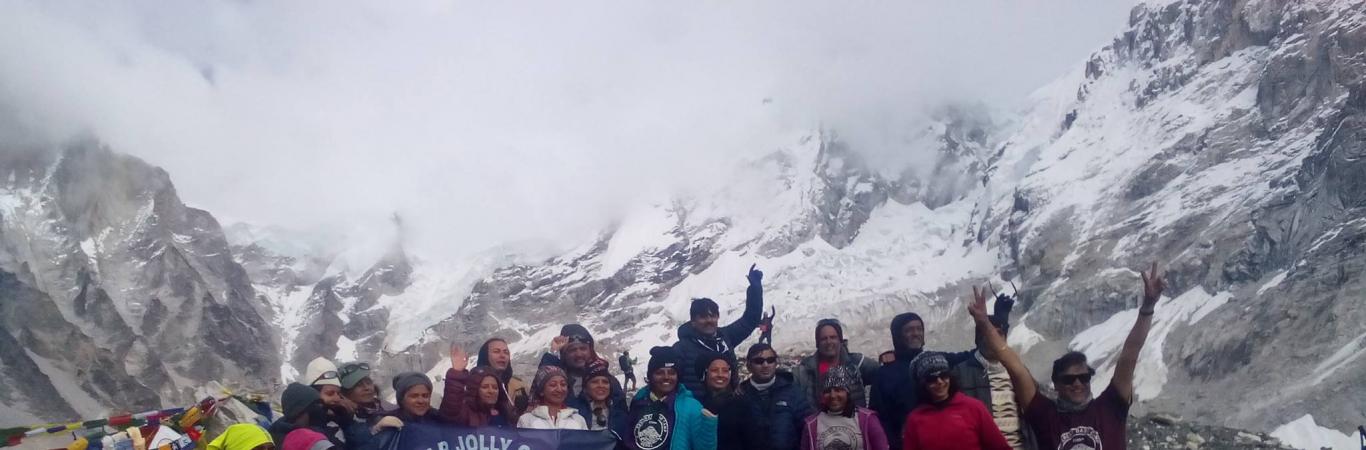
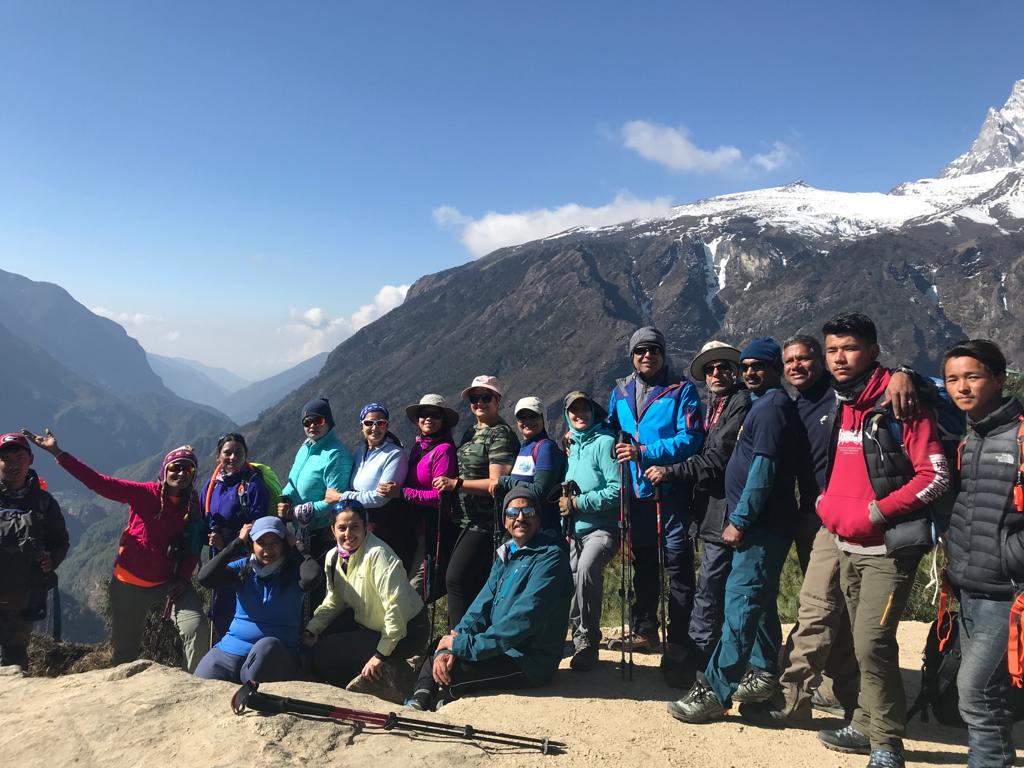
Moderate Everest trekking is an ideal choice for regular trekkers and adventure enthusiasts with good health and average physical fitness. This trek is designed for those who want to experience the stunning beauty of the Everest region, explore the culture of the Sherpa villages, and witness the majesty of the Himalayas without undertaking an extremely strenuous expedition. With altitudes ranging from 3,000 meters to 5,000 meters, the moderate Everest trek offers a balanced level of challenge and enjoyment. The journey takes you through scenic landscapes, ancient monasteries, traditional villages, and panoramic mountain views.
Unlike the more extreme expeditions such as climbing Mount Everest or crossing the challenging Everest Three Pass Trek, the moderate Everest trekking routes are designed to be accessible yet rewarding. These treks are suitable for people with average fitness levels, making them a great introduction to Himalayan trekking. While they do involve uphill climbs, high-altitude trails, and long walking hours, the difficulty is manageable compared to strenuous treks in Nepal.
Nepal Moderate Trekking in the Everest Region is an ideal choice for travelers who want to experience the beauty of Mount Everest and the iconic Khumbu Himalaya without extreme physical challenges, making it suitable for first-time trekkers, families, senior travelers, and adventure lovers with average fitness. Moderate Everest trekking follows well-maintained trails with gradual altitude gain, daily walks of around 5–7 hours, proper acclimatization in Namche Bazaar, and comfortable teahouse accommodation, ensuring a safe and enjoyable trekking experience. Popular moderate trekking routes in Everest include the Everest View Trek, Everest Panorama Trek, and a well-paced Everest Base Camp Trek itinerary, all offering breathtaking views of Mount Everest, Ama Dablam, Lhotse, Nuptse, and Thamserku, along with rich Sherpa culture and visits to highlights such as Tengboche Monastery and Hotel Everest View. The best seasons for moderate trekking in Everest are spring (March–May) and autumn (September–November), when weather and mountain visibility are most stable, while short Everest View luxury treks are also possible in winter. Trekkers stay in cozy Everest trekking lodges, with options for luxury accommodation in Namche Bazaar, and benefit from traveling with licensed local Sherpa guides who handle permits, altitude safety, and logistics. Overall, Nepal moderate trekking in Everest offers the perfect balance of adventure, comfort, culture, and safety, making it one of the most practical and rewarding trekking experiences in Nepal for an authentic yet manageable Himalayan journey.