
Everest Base Camp Solo Trek
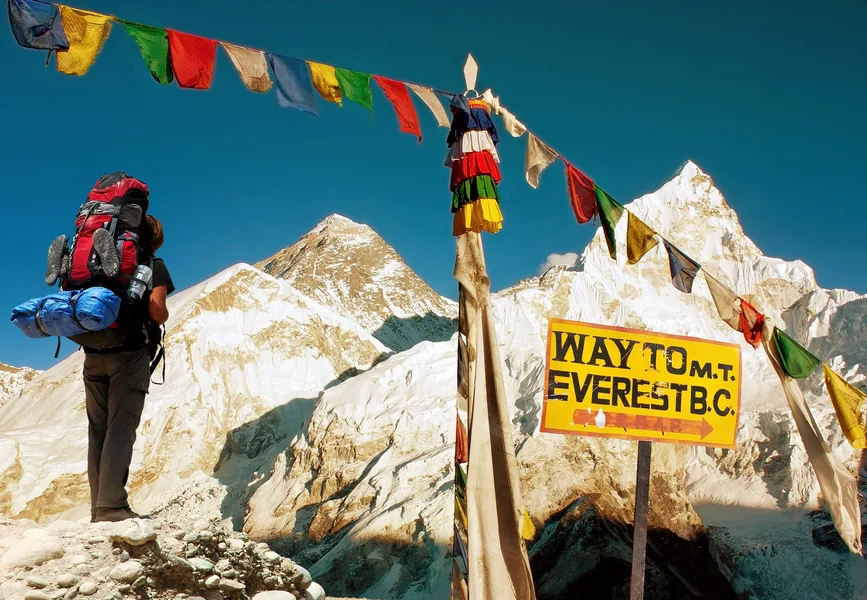
Table of Contents
Introduction
Solo trek to Everest Base Camp (EBC) is an adventure that appeals to many intrepid travelers seeking a blend of solitude, challenge, and breathtaking natural beauty. This iconic trek, set in the heart of the Himalayas, offers an unparalleled opportunity to experience the grandeur of the world’s tallest peak, Mount Everest, up close. In this blog, we'll go into the various aspects of a solo trek to EBC, covering the preparation, challenges, highlights, and the profound sense of accomplishment that comes with completing this remarkable journey.

Why Trek to Everest Base Camp?
Trekking to Everest Base Camp is on the bucket list of many adventure enthusiasts for several reasons:
-
Breathtaking Scenery: The trek offers panoramic views of some of the highest peaks in the world, including Mount Everest, Lhotse, and Nuptse.
-
Cultural Immersion: The route passes through Sherpa villages, ancient monasteries, and bustling markets, providing a glimpse into the rich culture and traditions of the Sherpa people.
-
Physical Challenge: The trek is physically demanding, making it a rewarding challenge for those seeking to push their limits.
-
Sense of Achievement: Reaching Everest Base Camp is a significant accomplishment and a memorable life experience.
Preparation for the Trek for EBC
Physical Fitness
A solo trek to EBC requires a good level of physical fitness. Training should ideally begin several months before the trek and include:
-
Cardiovascular Exercise: Running, cycling, and swimming to build stamina.
-
Strength Training: Focusing on leg and core strength.
-
Hiking: Regular hikes with a loaded backpack to simulate trek conditions.
-
Acclimatization: If possible, practice hiking at higher altitudes to prepare your body for the thin air of the Himalayas.
Gear and Equipment
Having the right gear is crucial for a successful trek. Essential items include:
-
Clothing: Layered clothing to adjust to varying temperatures, including thermal wear, fleece jackets, and a down jacket.
-
Footwear: Sturdy, comfortable hiking boots and warm socks.
-
Backpack: A durable, comfortable backpack with a rain cover.
-
Sleeping Bag: A high-quality sleeping bag rated for cold temperatures.
-
Trekking Poles: Useful for stability and reducing strain on your knees.
-
First Aid Kit: Including medications for altitude sickness, blisters, and common ailments.
-
Navigation Tools: Maps, a compass, and a GPS device.
-
Other Essentials: Sunglasses, sunscreen, water purification tablets, headlamp, and a reliable camera.
Permits and Documentation
Trekking in Nepal requires several permits:
-
TIMS Card: Trekkers’ Information Management System card, available from Kathmandu or the trek starting point.
-
Sagarmatha National Park Permit: Required for entering the national park where EBC is located.
-
Pasang Lhamu Rural Municipality Entry Permit: Necessary for the lower section of the trek.
The Trekking Route
The classic route to Everest Base Camp typically starts with a flight from Kathmandu to Lukla. From there, the trek proceeds through several key stops:
-
Lukla to Phakding: A gentle introduction to the trek, with a descent to the village of Phakding.
-
Phakding to Namche Bazaar: A challenging ascent to Namche Bazaar, the main trading hub of the Khumbu region.
-
Acclimatization in Namche Bazaar: A day spent acclimatizing, with short hikes to nearby viewpoints.
-
Namche Bazaar to Tengboche: A trek through beautiful rhododendron forests to the village of Tengboche, home to a famous monastery.
-
Tengboche to Dingboche: Gradual ascent with views of Ama Dablam, arriving in Dingboche for another acclimatization day.
-
Dingboche to Lobuche: A trek through the barren landscape of the Khumbu Glacier moraine to the village of Lobuche.
-
Lobuche to Gorak Shep and EBC: The final push to Gorak Shep and then on to Everest Base Camp.
Challenges of Solo Trekking to Everest Base Camp
Physical and Mental Fatigue
Trekking solo can be more physically and mentally demanding than trekking with a group. Without the companionship and encouragement of fellow trekkers, staying motivated through challenging sections can be tough. It’s essential to maintain a positive mindset and take breaks when needed.
Navigational Difficulties
Although the EBC trail is well-trodden, there are sections where the path may not be clear, especially in bad weather. Having reliable navigation tools and a good understanding of the route is crucial.
Safety Concerns
Trekking solo means there’s no immediate help if you encounter difficulties. It’s important to stay informed about weather conditions, avoid risky areas, and inform someone about your itinerary. Carrying a satellite phone or a GPS tracker for emergencies is highly recommended.
Highlights of the Trek to EBC
Namche Bazaar
Namche Bazaar is a vibrant town with colorful markets, cozy teahouses, and stunning views of the surrounding peaks. It’s a great place to acclimatize and explore local culture.
Tengboche Monastery
The Tengboche Monastery, set against the backdrop of Ama Dablam, is one of the most serene and spiritual places on the trek. Attending a prayer session here is a unique experience.
Kala Patthar
Kala Patthar, a viewpoint near Gorak Shep, offers the best panoramic views of Mount Everest. The sunrise or sunset view from here is unforgettable.
Everest Base Camp
Reaching Everest Base Camp is the culmination of the trek. Standing at the base of the world’s highest mountain is a moment of triumph.
Cultural Insights
Interacting with the Sherpa people and experiencing their hospitality is a significant aspect of the trek. The Sherpas are known for their resilience, warmth, and deep spiritual connection to the mountains. Visiting monasteries, participating in local festivals, and understanding their way of life enrich the trekking experience.
The Return Journey
The return journey follows the same route back to Lukla. Although retracing your steps, the perspective often changes, and the sense of achievement makes the return leg feel different. It’s an opportunity to reflect on the journey and enjoy the beauty of the landscape with a renewed sense of accomplishment.
Tips for a Successful Solo Trek to EBC
-
Plan Thoroughly: Detailed planning and preparation are key. Know your route, accommodation options, and emergency contacts.
-
Acclimatize Properly: Take your time to acclimatize to avoid altitude sickness. Follow the “climb high, sleep low” principle.
-
Stay Hydrated and Eat Well: Drinking plenty of water and eating nutritious meals helps maintain energy levels and reduces the risk of altitude sickness.
-
Pack Wisely: Carry essential items but avoid overpacking. A lighter backpack makes the trek more manageable.
-
Respect Local Culture: Be mindful of local customs and traditions. Show respect to the Sherpa people and their way of life.
-
Listen to Your Body: Pay attention to your body’s signals. If you feel unwell, take it seriously and descend if necessary.
-
Stay Connected: Regularly update someone about your progress and location.
Conclusion
A solo trek to Everest Base Camp is a transformative experience, blending the thrill of adventure with the serenity of solitude. The journey challenges you physically and mentally, rewards you with stunning landscapes, and offers a deep connection to the majestic Himalayas and the resilient Sherpa culture. Whether you’re an experienced trekker or someone seeking a profound adventure, the EBC solo trek promises an unforgettable journey that will leave you with memories and a sense of achievement that lasts a lifetime.

