
How Cold Is Mount Everest? A Complete Guide to Everest Temperatures for Helicopter Tour Travelers
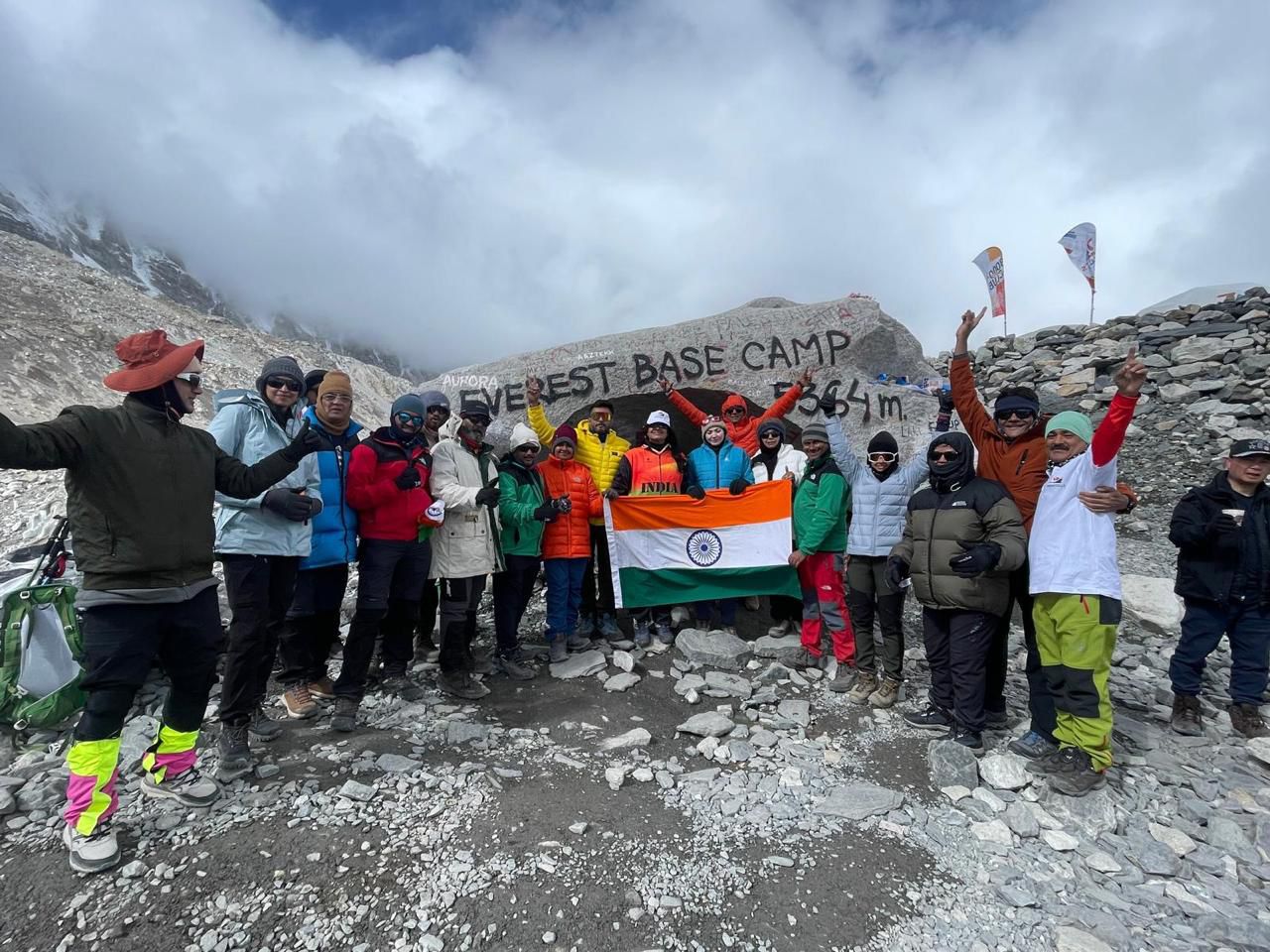
Table of Contents
Mount Everest is famous for being the highest mountain on Earth, but its breathtaking height also makes it one of the coldest places accessible to travelers. Whether you are planning an Everest Helicopter Tour, dreaming of visiting Everest Base Camp, or simply curious about the world's tallest peak, understanding the mountain's temperature is an essential part of preparing for your adventure.
Many visitors imagine Everest as a place of endless snow and unbearable cold. While the summit experiences some of the harshest weather conditions on Earth, helicopter tour passengers experience a very different environment. Most scenic flights operate around Everest Base Camp, Kala Patthar, Hotel Everest View, and nearby viewpoints rather than the summit itself.
This comprehensive guide explains exactly how cold Mount Everest gets throughout the year, how temperatures change with elevation, why the mountain remains permanently frozen, and what passengers should expect during an Everest Helicopter Tour.
Quick Answer: How Cold Is Mount Everest?
Short Answer:
- Everest Summit: Approximately -20°C to -40°C depending on season.
- Everest Base Camp: Usually -5°C to 10°C during the daytime in spring.
- Kala Patthar Landing Area: Generally -10°C to -20°C during morning helicopter landings.
- Inside Helicopter Cabin: Comfortable and heated throughout the flight.
Although the summit remains permanently below freezing, helicopter passengers rarely experience extreme cold because flights spend only a short period at high-altitude landing locations.
Mount Everest Temperature at Different Elevations
Temperature changes dramatically as altitude increases. A difference of only a few thousand meters can result in temperatures dropping by more than 20 degrees Celsius.
| Location | Altitude | Typical Temperature |
|---|---|---|
| Kathmandu | 1,400 m | 15°C to 30°C |
| Lukla Airport | 2,860 m | 5°C to 20°C |
| Namche Bazaar | 3,440 m | 0°C to 15°C |
| Hotel Everest View | 3,880 m | -2°C to 12°C |
| Everest Base Camp | 5,364 m | -10°C to 10°C |
| Kala Patthar | 5,545 m | -20°C to -5°C |
| South Col | 7,900 m | -25°C to -35°C |
| Mount Everest Summit | 8,848.86 m | -30°C to -40°C |
These values vary depending on the season, weather systems, cloud cover, wind speed, and time of day. Morning temperatures are generally much lower than afternoon temperatures, especially above 5,000 meters.
Why Does Mount Everest Stay So Cold?
Many travelers assume Everest is cold simply because it is covered in snow. In reality, several scientific factors combine to create one of the harshest climates on Earth.
1. Extreme Altitude
Air temperature decreases by approximately 6.5°C for every 1,000 meters of elevation gained. Since Everest rises nearly nine kilometers above sea level, temperatures naturally remain well below freezing at higher elevations.
2. Thin Atmosphere
Higher elevations contain much less air than lower elevations. Thin air holds less heat, allowing temperatures to fall rapidly after sunset while reducing the atmosphere's ability to warm the mountain during the day.
3. Jet Stream Winds
For much of the year, the summit sits within the path of the subtropical jet stream. These powerful winds often exceed 150 km/h and create dangerously low wind chill temperatures that can make conditions feel much colder than the actual air temperature.
4. Permanent Ice and Snow Cover
Snow reflects a significant amount of solar radiation rather than absorbing heat. This reflective surface helps keep Everest frozen throughout the year, even during the warmest months.
5. Low Atmospheric Pressure
At the summit, atmospheric pressure is only about one-third of that at sea level. Lower pressure contributes to colder conditions and significantly reduces the amount of oxygen available, making the environment even more challenging.
Does an Everest Helicopter Tour Reach the Summit?
One of the biggest misconceptions among first-time visitors is that helicopters land on the summit of Mount Everest.
The answer is no.
Commercial helicopter tours do not land at the summit because of extreme altitude, dangerous weather, powerful winds, and aircraft performance limitations. Instead, helicopters fly close to Everest while offering spectacular aerial views before landing at carefully selected high-altitude locations.
Most Everest Helicopter Tours include one or more of the following destinations:
- Everest Base Camp (weather permitting)
- Kala Patthar viewpoint
- Hotel Everest View for breakfast
- Syangboche Airstrip
- Lukla Airport
These locations provide panoramic views of Mount Everest while maintaining safe operating conditions for both passengers and pilots.
What Temperature Will You Actually Experience During an Everest Helicopter Tour?
The experience of helicopter tour passengers is completely different from that of mountaineers climbing toward the summit.
Inside the helicopter cabin, passengers remain warm and comfortable thanks to enclosed seating and controlled cabin conditions. The only time travelers are exposed to the cold is during short landing stops, which typically last between five and fifteen minutes depending on weather conditions and airport regulations.
During these brief stops, most visitors describe the air as crisp, fresh, and noticeably colder than Kathmandu—but not unbearable when wearing proper winter clothing.
The biggest surprise for many visitors is not the temperature itself but the combination of cold air, strong sunlight, thinner oxygen, and occasional mountain winds.
Typical Passenger Experience
- Comfortable during flight
- Cold but manageable during landing
- No special mountaineering clothing required
- Short outdoor exposure
- Excellent visibility during morning departures
Average Mount Everest Temperatures by Season
Everest experiences dramatic seasonal changes. Although the summit never becomes warm, temperatures at Everest Base Camp and helicopter landing sites vary considerably throughout the year.
| Season | Everest Base Camp | Summit | Helicopter Tour Conditions |
|---|---|---|---|
| Spring (March-May) | -5°C to 10°C | -20°C to -30°C | Excellent |
| Summer (June-August) | 0°C to 12°C | -15°C to -20°C | Limited due to monsoon |
| Autumn (September-November) | -8°C to 8°C | -25°C to -35°C | Outstanding |
| Winter (December-February) | -15°C to 0°C | -35°C to -40°C | Possible but weather dependent |
Why This Guide Matters Before Booking Your Everest Helicopter Tour
Knowing what temperatures to expect allows travelers to pack correctly, dress comfortably, and enjoy every moment of their Himalayan adventure. Instead of worrying about freezing conditions, passengers can focus on the spectacular scenery, world-famous peaks, and unforgettable aerial views that make an Everest Helicopter Tour one of Nepal's most extraordinary experiences.
In the next section of this guide, we'll explore the weather month by month, explain the best time to visit Everest by helicopter, discuss wind chill, visibility, snowfall, and provide expert recommendations for choosing the perfect season for your flight.
Mount Everest Weather by Month: When Is the Best Time for an Everest Helicopter Tour?
Although Mount Everest remains covered in snow and ice throughout the year, weather conditions vary significantly from season to season. Visibility, temperature, wind speed, and snowfall all influence the helicopter flying experience.
For travelers planning an Everest Helicopter Tour, understanding the monthly climate helps you choose the ideal departure date. While flights operate in several seasons, spring and autumn consistently offer the safest flying conditions and the clearest mountain panoramas.
Mount Everest Temperature by Month
| Month | Everest Base Camp | Kala Patthar | Everest Summit | Flight Conditions |
|---|---|---|---|---|
| January | -15°C to -5°C | -20°C to -15°C | -36°C to -40°C | Very Cold |
| February | -12°C to -3°C | -18°C to -12°C | -35°C to -38°C | Cold but Clear |
| March | -8°C to 3°C | -15°C to -8°C | -30°C to -35°C | Excellent |
| April | -5°C to 7°C | -10°C to -5°C | -25°C to -30°C | Outstanding |
| May | 0°C to 10°C | -8°C to -3°C | -20°C to -25°C | Peak Season |
| June | 2°C to 10°C | -5°C to 0°C | -18°C to -22°C | Monsoon Begins |
| July | 3°C to 12°C | -4°C to 2°C | -15°C to -20°C | Limited Flights |
| August | 2°C to 10°C | -5°C to 1°C | -16°C to -21°C | Cloudy |
| September | 0°C to 8°C | -8°C to -3°C | -22°C to -28°C | Excellent |
| October | -3°C to 7°C | -10°C to -5°C | -25°C to -30°C | Best Month |
| November | -8°C to 2°C | -15°C to -8°C | -30°C to -35°C | Excellent |
| December | -12°C to -4°C | -18°C to -10°C | -35°C to -40°C | Very Cold |
Temperatures can fluctuate depending on cloud cover, snowfall, and wind. Helicopter flights always operate according to real-time aviation weather rather than monthly averages.
Spring (March to May): The Most Popular Season
Spring is considered the premier season for Everest Helicopter Tours. Snow-covered peaks, blooming rhododendron forests, stable weather, and comfortable daytime temperatures combine to create spectacular flying conditions.
Why Spring Is Ideal
- Excellent mountain visibility
- Longer daylight hours
- Warmer temperatures than winter
- Calmer morning winds
- Active Everest climbing season
- Beautiful Himalayan landscapes
April and May are especially popular because they provide the best balance of visibility and comfortable temperatures at Everest Base Camp and Kala Patthar.
Summer (June to August): The Monsoon Season
Summer brings the South Asian monsoon to Nepal. While temperatures become slightly warmer at lower elevations, increased humidity and frequent cloud cover reduce mountain visibility.
What Travelers Can Expect
- Afternoon rain showers
- Cloud-covered mountain views
- Higher chance of flight delays
- Lush green valleys
- Occasional clear mornings after rainfall
Helicopter operators closely monitor weather forecasts during this season. Flights usually depart early in the morning when skies are clearest.
Autumn (September to November): Crystal-Clear Himalayan Views
Autumn is widely regarded as the best overall season for Everest sightseeing. Following the monsoon, the atmosphere becomes exceptionally clean, producing breathtaking panoramic views across the Himalayas.
Advantages of Autumn Flights
- Outstanding visibility
- Dry weather
- Stable flying conditions
- Comfortable daytime temperatures
- Minimal rainfall
- Excellent photography opportunities
October is frequently considered the finest month for Everest Helicopter Tours due to consistently clear skies and remarkable mountain visibility.
Winter (December to February): A Snow-Covered Wonderland
Winter transforms the Everest region into a pristine alpine landscape. While temperatures become significantly colder, clear weather often rewards visitors with unforgettable views of the world's highest mountains.
Winter Highlights
- Fresh snowfall
- Fewer tourists
- Exceptional visibility after storms
- Beautiful winter scenery
- Unique photography conditions
Winter flights require additional flexibility because strong winds can occasionally delay departures. Professional helicopter operators carefully evaluate weather before every flight.
Why Everest Helicopter Tours Depart Early in the Morning
Nearly every Everest Helicopter Tour leaves Kathmandu shortly after sunrise. This schedule is based on aviation safety and mountain weather patterns rather than convenience.
Morning conditions generally provide the calmest air, clearest visibility, and lowest risk of cloud formation.
Benefits of Morning Flights
- Calmer winds
- Better visibility
- Reduced turbulence
- Excellent lighting for photography
- Greater likelihood of successful landings
As the day progresses, solar heating creates stronger valley winds and increasing cloud development, making afternoon flights less predictable.
How Wind Chill Makes Everest Feel Even Colder
Air temperature tells only part of the story. Wind significantly increases heat loss from the human body, creating what meteorologists call the wind chill effect.
For example, an actual temperature of -10°C combined with strong mountain winds may feel closer to -20°C or even colder.
| Actual Temperature | Wind Speed | Feels Like |
|---|---|---|
| -5°C | 30 km/h | -11°C |
| -10°C | 40 km/h | -18°C |
| -15°C | 60 km/h | -27°C |
| -20°C | 80 km/h | Below -35°C |
Fortunately, helicopter passengers spend only a few minutes outdoors during landing stops, making wind chill manageable with proper clothing.
What Is a Banner Cloud Above Mount Everest?
One of the most fascinating sights during an Everest Helicopter Tour is the banner cloud flowing from the summit. This long plume of snow resembles a white flag streaming from the mountain.
A banner cloud forms when powerful jet stream winds lift fine snow crystals from the summit ridge. Although lower elevations may appear calm, the presence of a banner cloud indicates extremely strong winds near the peak.
Experienced helicopter pilots continuously assess these conditions when planning safe flight routes around the Everest region.
How Weather Changes During a Single Day on Everest
Mountain weather is famous for changing rapidly. A perfectly clear morning can develop into cloud cover by midday as temperatures rise and moist air moves into the valleys.
Typical Daily Weather Pattern
- 6:00–8:00 AM: Clear skies and calm conditions.
- 8:00–10:00 AM: Ideal helicopter flying weather.
- 10:00 AM–Noon: Increasing valley winds.
- Afternoon: Greater cloud development and reduced visibility.
- Evening: Temperatures drop quickly after sunset.
This predictable cycle is one of the main reasons why Everest sightseeing flights almost always depart early in the morning.
What Does It Feel Like During an Everest Helicopter Tour?
For many travelers, an Everest Helicopter Tour is a once-in-a-lifetime experience. While photos showcase the dramatic Himalayan landscape, they cannot fully capture the feeling of flying above glaciers, deep valleys, turquoise lakes, and some of the highest peaks on Earth.
The journey begins in Kathmandu and gradually climbs into the heart of the Khumbu region. As the helicopter gains altitude, you'll notice lush hills giving way to alpine forests, traditional Sherpa villages, rugged cliffs, and snow-covered mountains. Every stage of the flight reveals a new perspective of the Himalayas.
Unlike trekking, where your body slowly adapts to increasing elevation over several days, a helicopter tour allows you to reach high-altitude viewpoints in just a few hours. This makes the experience accessible to travelers with limited time while still offering spectacular views of Mount Everest and the surrounding peaks.
Is It Cold Inside the Helicopter?
No. The cabin remains comfortable throughout most of the journey.
Modern helicopters used for Everest sightseeing are designed for high-altitude operations and provide a protected environment during the flight. Passengers remain seated inside the enclosed cabin, sheltered from the freezing winds outside.
Inside the Cabin You Can Expect:
- Comfortable seating with panoramic windows.
- Protection from wind, snow, and extreme weather.
- Clear visibility for photography.
- A smooth and enjoyable sightseeing experience.
- Constant communication between the pilot and passengers.
Although cabin temperatures are much warmer than outside, it is still recommended to wear warm clothing because doors may open during landing stops.
What Happens During the Landing at Kala Patthar or Everest View Hotel?
One of the highlights of an Everest Helicopter Tour is stepping outside the aircraft at a spectacular Himalayan viewpoint. Depending on weather conditions and flight permissions, helicopters may land at Kala Patthar, Everest Base Camp (when permitted), Syangboche, or the famous Hotel Everest View.
Landing times are intentionally short to ensure passenger safety at high altitude. Most stops last between 5 and 15 minutes, allowing visitors to enjoy panoramic views, take photographs, and experience the unique atmosphere of the Everest region.
During the Stop You May Notice:
- Cold, fresh mountain air.
- Thin atmosphere with reduced oxygen.
- Light winds depending on weather conditions.
- Bright sunlight reflecting from snow and glaciers.
- Amazing panoramic views of Everest, Lhotse, Nuptse, Ama Dablam, and surrounding peaks.
Because exposure is brief, most travelers remain comfortable with layered winter clothing.
How Long Are You Outside in the Cold?
| Location | Typical Stop Duration |
|---|---|
| Lukla Airport | 10–20 Minutes |
| Hotel Everest View | 30–60 Minutes (Breakfast Option) |
| Kala Patthar Viewpoint | 5–10 Minutes |
| Everest Base Camp Area | 5–10 Minutes (Weather Permitting) |
These short stops are carefully planned to minimize exposure to cold temperatures and high altitude while maximizing sightseeing opportunities.
How Should You Dress for an Everest Helicopter Tour?
The key to staying comfortable is dressing in layers. Weather in the Himalayas can change quickly, and layering allows you to adjust your clothing as temperatures vary between Kathmandu and the Everest region.
Recommended Clothing Checklist
- Thermal base layer.
- Warm fleece or insulated mid-layer.
- Down jacket.
- Windproof and water-resistant outer shell.
- Comfortable trekking trousers.
- Warm wool or thermal socks.
- Insulated gloves.
- Warm hat or beanie.
- Scarf or neck gaiter.
- Comfortable hiking shoes or boots.
- UV-protection sunglasses.
Heavy mountaineering suits are unnecessary for helicopter tours because outdoor exposure is limited.
Essential Items to Carry
- Passport or identification.
- Camera or smartphone.
- Extra batteries or power bank.
- Lip balm.
- Moisturizer.
- Sunscreen (SPF 50+).
- Refillable water bottle.
- Personal medications.
- Light snacks.
High-altitude sunlight is much stronger than at lower elevations, making sunscreen and sunglasses essential even during winter.
Why Does Everest Feel Colder Than the Thermometer Shows?
Several environmental factors influence how cold you actually feel.
Strong Solar Radiation
Even on freezing mornings, direct sunshine can feel surprisingly warm. However, stepping into the shade or facing a cold breeze immediately changes the sensation.
Dry Mountain Air
The Everest region has extremely low humidity. Dry air increases moisture loss from your skin and respiratory system, making hydration especially important.
Wind Exposure
Even a gentle breeze at 5,500 meters can noticeably increase heat loss from your body. Wearing a windproof outer layer makes a significant difference.
Can You Experience Altitude Sickness During a Helicopter Tour?
Because helicopter tours reach elevations above 5,000 meters within a short period, some passengers may notice mild symptoms related to altitude. However, the brief duration of the landing significantly reduces the likelihood of serious altitude illness.
Possible Mild Symptoms
- Light headache.
- Mild dizziness.
- Shortness of breath.
- Dry throat.
- Fatigue.
How to Reduce the Risk
- Stay well hydrated.
- Avoid alcohol before your flight.
- Eat a light breakfast.
- Move slowly during landing stops.
- Follow your pilot's instructions.
If any passenger feels uncomfortable, the helicopter crew can shorten the stop or descend to a lower altitude.
Photography Tips in Cold Weather
The Everest region offers some of the world's most spectacular aerial photography opportunities. Cold temperatures, however, can affect camera performance.
Photography Recommendations
- Keep spare batteries warm inside your jacket.
- Clean lenses before landing.
- Use a fast shutter speed when shooting from the helicopter.
- Avoid changing lenses in windy conditions.
- Wear gloves that allow easy camera operation.
- Take wide-angle photos to capture the Himalayan panorama.
Morning light provides the clearest views and creates dramatic contrasts between snow-covered peaks and deep valleys.
Is an Everest Helicopter Tour Safe in Cold Weather?
Yes. Reputable helicopter companies operate under strict aviation regulations and only fly when weather conditions are suitable. Pilots continuously monitor wind speed, visibility, cloud cover, and temperature before departure and throughout the flight.
Safety Measures Include:
- Experienced mountain pilots.
- Regular aircraft maintenance.
- Weather monitoring before every flight.
- Flexible scheduling if conditions change.
- Limited landing time at high altitude.
- Compliance with Nepal Civil Aviation Authority regulations.
If weather conditions become unfavorable, flights may be delayed or rescheduled to ensure passenger safety. While this can affect travel plans, it reflects the industry's commitment to safe mountain aviation.
Travel Expert Tip
For the best experience, choose a clear spring or autumn morning, dress in warm layers, wear sunglasses, keep your camera ready, and stay hydrated. The cold is temporary, but the panoramic views of Mount Everest, Lhotse, Nuptse, Ama Dablam, Pumori, and the Khumbu Glacier will remain unforgettable for a lifetime.
How Does Mount Everest Compare to Other Cold Places on Earth?
Mount Everest is one of the coldest mountains on the planet, but it is not always the coldest location on Earth. The summit experiences permanent sub-freezing temperatures throughout the year, while the Antarctic Plateau has recorded even lower temperatures due to its vast ice sheet and polar climate.
| Location | Highest / Elevation | Typical Coldest Temperature | Remarks |
|---|---|---|---|
| Mount Everest, Nepal/Tibet | 8,848.86 m | -40°C (winter average) | Highest mountain on Earth |
| Antarctica (East Antarctic Plateau) | Over 4,000 m | Below -80°C | Coldest place on Earth |
| Denali, Alaska | 6,190 m | -45°C | Extreme Arctic weather |
| Aconcagua, Argentina | 6,961 m | -30°C | Highest mountain in South America |
| Kilimanjaro, Tanzania | 5,895 m | -20°C | Africa's highest mountain |
Although Antarctica experiences lower temperatures overall, Mount Everest combines freezing temperatures, powerful jet-stream winds, intense ultraviolet radiation, and low oxygen levels, making it one of the most challenging natural environments on Earth.
Climate Change and Mount Everest
Scientists have observed noticeable environmental changes across the Everest region over recent decades. While the summit remains permanently frozen, glaciers throughout the Khumbu Valley are gradually retreating due to rising global temperatures.
Visitors today may notice exposed rock, expanding glacial lakes, and changing snow coverage compared to historical photographs. Despite these changes, winter temperatures at the summit remain well below freezing, and helicopter tours continue to operate only when weather conditions are considered safe.
Common Myths About Everest's Temperature
Myth 1: Helicopter tours land on the summit.
Fact: Commercial helicopter tours do not land on the summit. Flights visit viewpoints such as Kala Patthar, Everest Base Camp (when permitted), Syangboche, or Hotel Everest View.
Myth 2: Visitors need mountaineering suits.
Fact: Warm layered clothing, a down jacket, gloves, and a hat are generally sufficient for sightseeing flights because outdoor exposure is brief.
Myth 3: It is always impossible to fly due to cold.
Fact: Temperature alone rarely prevents flights. Visibility, wind speed, cloud cover, and aviation safety are the primary factors.
Myth 4: Everest is equally cold at every altitude.
Fact: Temperatures become progressively colder with elevation. Kathmandu, Lukla, Namche Bazaar, Everest Base Camp, Kala Patthar, and the summit each experience very different climates.
Frequently Asked Questions
How cold is Mount Everest during an Everest Helicopter Tour?
Landing areas such as Kala Patthar typically experience temperatures between -10°C and -20°C during clear spring or autumn mornings, while the helicopter cabin remains comfortable during flight.
How cold is the summit of Mount Everest?
The summit generally ranges from approximately -20°C during the climbing season to below -40°C during winter, with wind chill making it feel significantly colder.
Is the helicopter heated?
Passengers travel inside an enclosed helicopter cabin that provides protection from wind and harsh mountain weather, making the journey comfortable.
Can children join an Everest Helicopter Tour?
Yes. Children frequently participate when accompanied by parents or guardians. Operators may provide age recommendations depending on weather conditions and altitude considerations.
Is an Everest Helicopter Tour suitable for older travelers?
Yes. Many senior travelers choose helicopter tours because they provide spectacular Everest views without the physical demands of multi-day trekking.
What is the coldest month on Mount Everest?
January is typically the coldest month, with summit temperatures often averaging around -36°C or lower.
Which month has the best weather?
April, May, October, and early November are generally considered the best months for clear skies, stable weather, and panoramic Himalayan views.
Can flights be delayed?
Yes. Mountain weather changes quickly, and flights may be delayed or rescheduled if visibility or wind conditions do not meet aviation safety standards.
Should I wear hiking boots?
Comfortable trekking shoes or hiking boots are recommended, especially during winter or snowy conditions around landing sites.
Will I experience altitude sickness?
Most passengers experience little or no discomfort because the landing duration is short. Staying hydrated, eating a light breakfast, and following your pilot's instructions help reduce the likelihood of altitude-related symptoms.
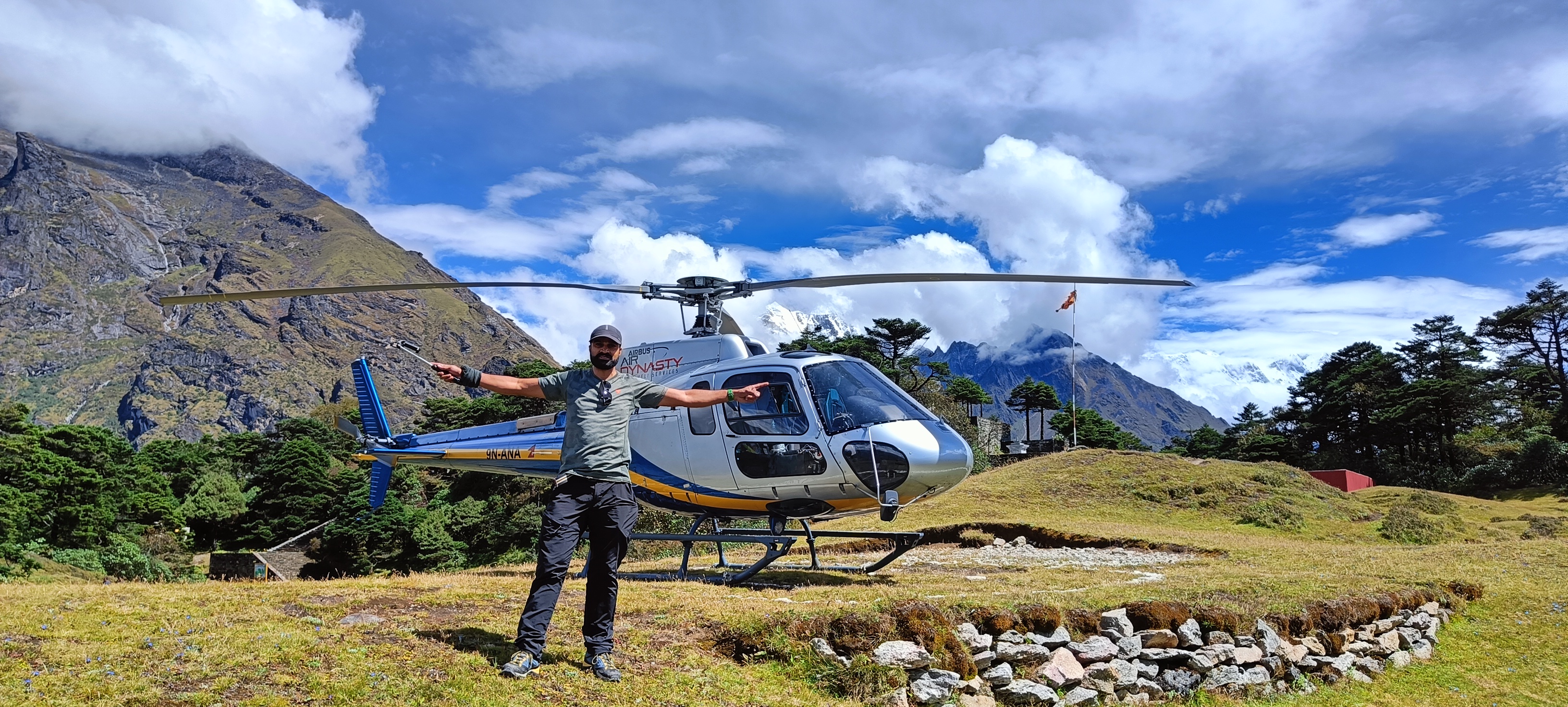 Plan Your Everest Helicopter Adventure
Whether you are visiting Nepal for the first time or returning to experience the Himalayas from a new perspective, an Everest Helicopter Tour offers one of the world's most unforgettable mountain adventures.
From the vibrant city of Kathmandu to the snow-covered peaks of the Khumbu region, every stage of the journey showcases breathtaking landscapes, Sherpa villages, ancient monasteries, dramatic glaciers, and the legendary summit of Mount Everest.
With experienced mountain pilots, carefully planned itineraries, and flexible scheduling based on real-time weather conditions, helicopter sightseeing provides a safe, comfortable, and time-efficient way to witness the beauty of the world's highest mountain.
Choose the right season, dress in warm layers, bring your camera, and prepare for an extraordinary aerial journey above the roof of the world.
Explore More Everest Travel Guides
- Everest Helicopter Tour – Complete Package Guide
- Everest Helicopter Tour Cost & Price Guide
- Everest Base Camp Weather Guide
- Lukla Helicopter Charter Service
- Kathmandu to Everest Helicopter Tour
- Best Time for an Everest Helicopter Tour
- Everest Base Camp Trek
Conclusion
Mount Everest remains one of the coldest and most awe-inspiring destinations on Earth. While summit temperatures stay far below freezing throughout the year, travelers on an Everest Helicopter Tour experience a much more manageable environment at carefully selected landing sites such as Kala Patthar and Hotel Everest View.
By understanding seasonal temperatures, dressing appropriately, and traveling with an experienced helicopter operator, you can enjoy a safe, comfortable, and unforgettable Himalayan adventure. Whether you visit in spring for blooming rhododendrons or autumn for crystal-clear mountain views, the Everest region promises breathtaking scenery that few places on Earth can match.
Ready to witness Mount Everest from the sky?
Contact our team today to book your Everest Helicopter Tour and experience the highest mountain on Earth from a perspective you'll never forget.

