
Gokyo Lakes Trek
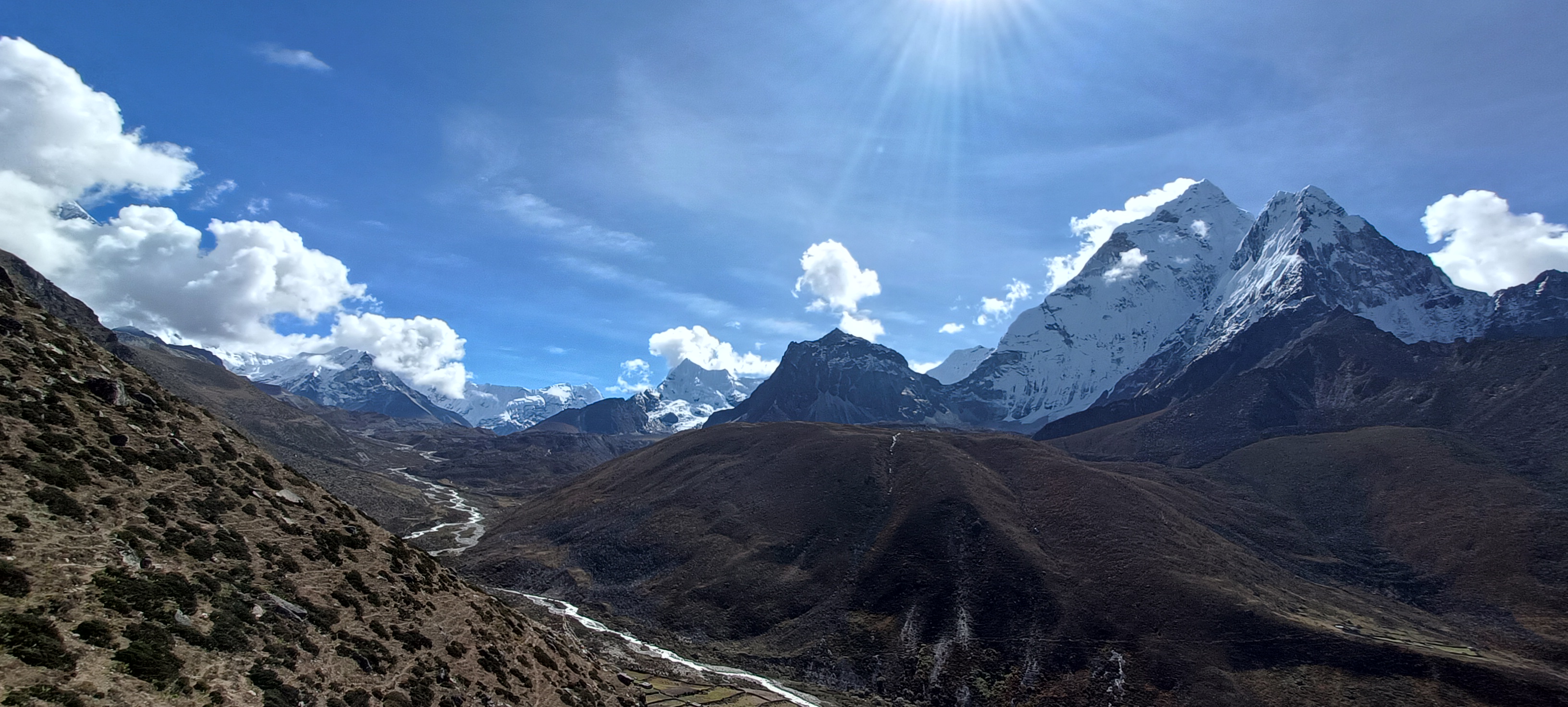
Table of Contents
The Gokyo Lakes Trek is one of the most spectacular and rewarding treks in the Everest region of Nepal. Offering an alternative to the traditional Everest Base Camp trek, the Gokyo Lakes trek takes you through a less-traveled path, providing breathtaking views of turquoise lakes, majestic mountains, and serene valleys. This trek is a perfect blend of natural beauty, cultural encounters, and a sense of adventure. In this comprehensive guide, we will explore every aspect of the Gokyo Lakes Trek, making it easy for you to plan and go on this unforgettable journey.
Introduction to Gokyo Lakes Trek
The Gokyo Lakes Trek is a unique trekking experience that leads you to the stunning Gokyo Valley, home to a series of pristine blue lakes situated at an altitude of around 4,700 meters (15,420 feet). The trek offers spectacular views of some of the world's highest peaks, including Everest, Lhotse, Makalu, and Cho Oyu. Unlike the crowded trails of the Everest Base Camp, the Gokyo Lakes Trek offers a more tranquil and off-the-beaten-path experience.

Why Choose the Gokyo Lakes Trek?
-
Stunning Scenery: The Gokyo Lakes are renowned for their vibrant blue color, surrounded by towering snow-capped peaks. The sight of these lakes is a feast for the eyes and provides endless photo opportunities.
-
Less Crowded: Compared to the Everest Base Camp trek, the Gokyo Lakes trek sees fewer trekkers, allowing for a more peaceful and intimate connection with nature.
-
Cultural Experience: The trek takes you through traditional Sherpa villages, where you can experience the rich culture and hospitality of the Sherpa people.
-
Challenging Yet Rewarding: The trek is moderately challenging, making it suitable for both experienced trekkers and those with a good level of fitness. The rewards of the trek, including the panoramic views from Gokyo Ri, make the effort worthwhile.
Best Time to Trek to Gokyo Lakes
The best time to embark on the Gokyo Lakes Trek is during the pre-monsoon (spring) and post-monsoon (autumn) seasons. These seasons offer stable weather, clear skies, and pleasant temperatures.
-
Spring (March to May): During this time, the weather is mild, and the rhododendrons are in full bloom, adding a splash of color to the landscapes.
-
Autumn (September to November): This is the most popular trekking season, with clear skies and comfortable temperatures. The post-monsoon freshness enhances the beauty of the region.
Detailed Itinerary
Day 1: Arrival in Kathmandu (1,350m/4,428ft)
Upon your arrival at Tribhuvan International Airport in Kathmandu, you will be greeted by a representative and transferred to your hotel. After some rest, you can explore the bustling streets of Thamel, a popular tourist district.
Day 2: Flight to Lukla (2,860m/9,383ft) and Trek to Phakding (2,610m/8,563ft)
Early in the morning, you will take a scenic flight to Lukla, the gateway to the Everest region. After landing, you will start your trek towards Phakding, a small village situated on the banks of the Dudh Koshi River.
Day 3: Trek to Namche Bazaar (3,440m/11,286ft)
Today, you will trek through beautiful pine forests and cross several suspension bridges over the Dudh Koshi River. After a challenging ascent, you will reach Namche Bazaar, the bustling hub of the Khumbu region.
Day 4: Acclimatization Day in Namche Bazaar
To help your body adjust to the high altitude, you will spend an extra day in Namche Bazaar. You can hike to the Everest View Hotel for stunning views of Everest and visit the Sherpa Culture Museum.
Day 5: Trek to Dole (4,038m/13,248ft)
Leaving Namche Bazaar, you will ascend gradually through rhododendron and juniper forests. The trail offers breathtaking views of mountains like Ama Dablam, Thamserku, and Kangtega. You will reach Dole by late afternoon.
Day 6: Trek to Machhermo (4,470m/14,665ft)
Today's trek takes you through beautiful landscapes dotted with small villages and pastures. You will arrive in Machhermo, a picturesque settlement in the Gokyo Valley.
Day 7: Trek to Gokyo (4,800m/15,744ft)
The trail to Gokyo is one of the most scenic parts of the trek. You will pass by the first, second, and third Gokyo Lakes, each more stunning than the last. The sight of the turquoise lakes against the backdrop of towering peaks is unforgettable.
Day 8: Climb Gokyo Ri (5,357m/17,575ft) and Explore Fifth Lake
An early morning climb to Gokyo Ri offers one of the best panoramic views in the Everest region. From the summit, you can see four of the world's highest peaks: Everest, Lhotse, Makalu, and Cho Oyu. After descending, you can explore the fifth lake, Ngozumpa Tsho.
Day 9: Trek to Thagnak (4,700m/15,420ft)
Leaving Gokyo, you will trek across the Ngozumpa Glacier to reach Thagnak, a small settlement used as a base for crossing the Cho La Pass.
Day 10: Cross Cho La Pass (5,420m/17,782ft) and Trek to Dzongla (4,830m/15,850ft)
The Cho La Pass is a challenging and exhilarating part of the trek. After crossing the pass, you will descend to the village of Dzongla.
Day 11: Trek to Lobuche (4,940m/16,207ft)
Today's trek takes you to Lobuche, a small settlement located near the Khumbu Glacier. The trail offers stunning views of Pumori and Nuptse.
Day 12: Trek to Gorak Shep (5,170m/16,961ft) and Visit Everest Base Camp (5,364m/17,598ft)
You will trek to Gorak Shep, the last stop before Everest Base Camp. After a short rest, you will continue to Everest Base Camp, where you can enjoy the surreal experience of standing at the foot of the world's highest peak.
Day 13: Climb Kala Patthar (5,545m/18,192ft) and Trek to Pheriche (4,280m/14,042ft)
An early morning climb to Kala Patthar offers spectacular sunrise views over Everest. After descending, you will trek to Pheriche, a small village known for its high-altitude research center.
Day 14: Trek to Namche Bazaar
You will retrace your steps back to Namche Bazaar, enjoying the descent through beautiful landscapes and Sherpa villages.
Day 15: Trek to Lukla
The final day of trekking takes you back to Lukla, where you can celebrate the successful completion of your trek with your fellow trekkers.
Day 16: Flight to Kathmandu
You will take an early morning flight back to Kathmandu. Upon arrival, you will be transferred to your hotel. The rest of the day is free for you to explore Kathmandu or relax.
Day 17: Departure from Kathmandu
After breakfast, you will be transferred to the airport for your departure. If you have extra time, you can explore more of Kathmandu's cultural sites before your flight.
What to Expect on the Gokyo Lakes Trek
Accommodation
During the trek, you will stay in teahouses, which are basic lodges offering meals and accommodation. The rooms are usually twin-sharing with shared bathroom facilities. In Gokyo, the teahouses may offer more amenities such as hot showers and charging points for your electronic devices.
Food
Teahouses offer a variety of meals, including traditional Nepali dishes like dal bhat (lentil soup with rice), as well as international cuisine such as pasta, noodles, and pancakes. It is important to stay hydrated and maintain a balanced diet to keep your energy levels up.
Altitude Sickness
Altitude sickness is a common concern for trekkers in the Everest region. It is essential to acclimatize properly, stay hydrated, and avoid alcohol. Be aware of the symptoms of altitude sickness, such as headaches, dizziness, and shortness of breath. If symptoms persist, it is important to descend to a lower altitude.
Trekking Permits
To Trek in the Gokyo Lakes region, you will need two permits:
-
Sagarmatha National Park Entry Permit: This can be obtained in Kathmandu or Lukla.
-
Trekkers' Information Management System (TIMS) Card: This can be obtained in Kathmandu.
Ensure you carry these permits with you at all times during the trek.
Packing List for Gokyo Lakes Trek
-
Clothing: Layered clothing for varying temperatures, waterproof jacket and trousers, thermal wear, fleece jacket, trekking pants, and T-shirts.
-
Footwear: Sturdy trekking boots, comfortable trekking socks, and camp shoes.
-
Headgear: Warm hat, sun hat, and sunglasses.
-
Gear: Trekking poles, sleeping bag, backpack, daypack, water bottle, and a headlamp.
-
Miscellaneous: Personal first-aid kit, toiletries, sunscreen, lip balm, and snacks.
Tips for a Successful Gokyo Lakes Trek
-
Physical Preparation: Engage in regular cardiovascular and strength training exercises at least three months before the trek. This will help you build the stamina and endurance needed for the trek.
-
Mental Preparation: Be prepared for long days of trekking and the possibility of facing challenging weather conditions. Maintaining a positive attitude is key.
-
Hydration: Drink plenty of water throughout the trek to stay hydrated and minimize the risk of altitude sickness.
-
Pacing: Walk at a steady pace that is comfortable for you. Avoid rushing, as this can lead to fatigue and increase the risk of altitude sickness.
-
Respect the Environment: Follow the principles of Leave No Trace. Carry all your waste with you, avoid disturbing wildlife, and respect local cultures and traditions.
Conclusion
The Gokyo Lakes Trek is a mesmerizing journey through the heart of the Himalayas, offering an unparalleled blend of natural beauty, cultural encounters, and a sense of adventure. Whether you are an experienced trekker or a novice seeking a unique trekking experience, the Gokyo Lakes Trek is sure to leave you with memories that will last a lifetime. From the stunning turquoise lakes to the breathtaking views of the world's highest peaks, this trek is a must-do for anyone seeking to explore the wonders of the Everest region.
So, lace up your trekking boots, pack your backpack, and get ready to go on the adventure of a lifetime with the Gokyo Lakes Trek.

