
Everest Base Camp Trek in August
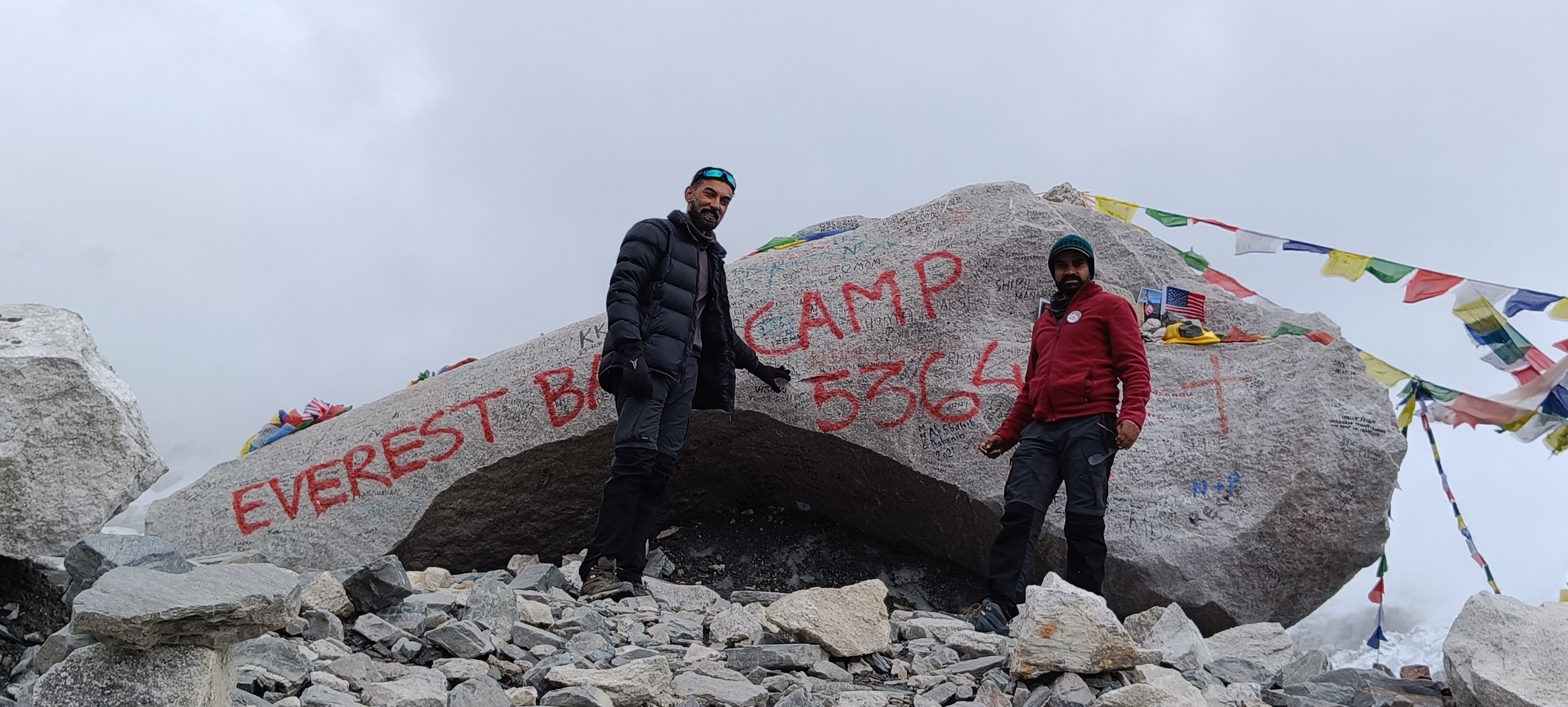
Table of Contents
Everest Base Camp Trek in August
Everest Base Camp Trek in August is possible in the Everest region. For those who love monsoon season and fully lost with rainy nature, august is the best month to trek base of summit. Forgetting behind all the difficulties sides’, traveler enjoy the lush greenery and the landscapes are incredibly scenic and picturesque. August is considered as off-peak season so there will be less crowd in trails which provide quieter and more peaceful trekking experience, with less competition for accommodation. Moreover, you will witness waterfalls, blooming flowers, and a variety of vegetation, creating a unique and beautiful trekking environment.
Major highlights of Everest Base Camp Trek in August
Some major highlights of the Everest Base Camp trek in August:
Lush and Green Landscapes
August is part of the monsoon season in Nepal, and the Everest region becomes incredibly lush and green. The hills, valleys, and forests are adorned with vibrant vegetation, including blooming flowers, ferns, mosses, and rhododendrons. The landscapes transform into a picturesque, verdant paradise, providing a stunning backdrop for your trek.
Waterfalls and Rivers
The monsoon rains result in numerous waterfalls cascading down the mountainsides. The trails are adorned with beautiful waterfalls, which are a treat for the eyes and provide a refreshing atmosphere. The rivers and streams also become more robust and lively, enhancing the scenic beauty of the trek.
Fewer Crowds
August is considered an off-peak season for trekking to Everest Base Camp. As a result, there are generally fewer trekkers on the trail compared to the peak seasons. This allows for a more peaceful and serene experience, with less competition for accommodations and a greater sense of solitude in the mountains.
Cultural Experiences
The Everest region is home to Sherpa communities, and trekking through their villages offers an opportunity to immerse yourself in their rich culture and traditions. In August, you may have the chance to witness local festivals and ceremonies, providing a deeper insight into the Sherpa way of life.
Unique Wildlife
The monsoon season brings forth an abundance of wildlife in the Everest region. The forests and hillsides come alive with various bird species, such as pheasants and colorful songbirds. You may also have the opportunity to spot other wildlife, including Himalayan thar, musk deer, langur monkeys, and even elusive snow leopards if you're lucky.
Cooler Temperatures
Despite being in the monsoon season, August typically experiences cooler temperatures compared to the peak summer months. The combination of the higher elevation and occasional rainfall can provide relief from the intense heat experienced in lower regions of Nepal during this time.
Authentic Local Experience
With fewer trekkers on the trail, you have a greater opportunity to interact with locals and experience the genuine hospitality of the Sherpa people. You can engage in conversations, learn about their way of life, and gain a deeper appreciation for their resilience and mountain culture.
Lower Costs
August falls within the off-peak season, which often translates to lower costs for flights, accommodation, and services along the trekking route. Tea houses and lodges may offer discounted rates or additional benefits to attract trekkers during this time.
Things you have to update during the Everest Base Camp Trek in August
During the Everest Base Camp trek in August, there are several things you should regularly update and be mindful of due to the specific conditions of the monsoon season. Here are some important aspects to consider:
Weather Updates
Stay updated on the weather forecasts and be prepared for changes in weather conditions. Keep track of any incoming storms or heavy rainfall, as this can impact trail conditions and safety. Stay informed through local sources, your trekking agency, or guides regarding any weather-related updates or warnings.
Trail Conditions
The monsoon season brings rain, which can make the trails muddy, slippery, and more challenging to navigate. Regularly update yourself on the trail conditions, including any landslides, rock falls, or trail diversions. Be prepared for detours or alternative routes as directed by local authorities or guides.
Flight Updates
Flights to and from Lukla, the starting point of the trek, can be affected by adverse weather conditions. Stay in contact with your trekking agency or guide to receive updates on flight schedules, delays, or cancellations. Keep alternative plans in mind and have flexibility in your itinerary to accommodate any changes.
Accommodation Availability
While August is considered an off-peak season, it's still essential to update your trekking agency or guide about your expected arrival at different teahouses along the trail. This helps ensure that accommodation is available and reserved for you. Additionally, be prepared for a limited menu selection due to fewer trekkers during this time.
Safety Information
Stay updated on safety information and guidelines provided by your trekking agency, guides, or local authorities. This includes understanding the signs and symptoms of altitude sickness, knowing emergency procedures, and being aware of the nearest medical facilities along the trail. Regularly update yourself on safety measures and adhere to them throughout your trek.
Drinking Water Sources
Stay informed about the availability and reliability of drinking water sources along the trail. While some teahouses may provide boiled or filtered water, it's essential to have your own water purification methods as a backup. Regularly update your supply of water purification tablets, a water filter, or other means of purifying water.
Communication and Connectivity
Understand the availability and limitations of communication and connectivity during the trek. Mobile phone signal coverage can be limited in certain areas, so inform your loved ones about potential communication gaps. If necessary, consider carrying a satellite phone or a communication device that allows you to reach out in case of emergencies.
Local Knowledge and Updates
Rely on the expertise and knowledge of your trekking agency, guides, and local people. They can provide valuable insights and updates on trial conditions, weather changes, and any other relevant information. Regularly communicate with them to stay informed and updated throughout your trek.
Gear and clothing
If trekking is in the monsoon season, we basically prepared rain costume like rain jacket down jacket, fleece jacket, inner layer, and sweat absorbing t-shirt and shorts for the daytime trekking. Moreover we required trekking poles and grip shoes which make easy to walk during the trek.
Everest Base Camp Trek Itinerary
Day 1: Land in Kathmandu (1400m) and overnight in a hotel. Preparing the essential accessories under the official guidance.
Day 2: From Kathmandu to Lukla (by flight) and trek to Phakding (2651m)
Day 3: Trek from Phakding to Namche Bazaar (3440m)
Day 4: Acclimatization day at Namche Bazaar, Walking around, hiking to Everest View Hotel, exploring and enjoying the Himalayas views.
Day 5: Trek Namche Bazaar to Tengboche (3868 m)
Day 6: Trekking Tengboche to Dingboche (4410 m)
Day 7: Day acclimatization at Dingboche, Walking few hours, Photography, and enjoying the scenery.
Day 8: Trek Dingboche to Lobuche (4938 m)
Day 9: Trek Lobuche to Gorakshep (5180 m)-Hike to EBC. (5364 m)
Day 10: Gorakshep hike to Kala Pathar-View point (5550 m) to Pheriche (4240 m)
Day 11: Trek Pheriche to Namche (3440 m)
Day 12: Namche Bazaar trek to Lukla (2860 m)
Day 13: Lukla to Kathmandu (1400 m) by flight.
Day 14: Departure day from Kathmandu or you can do other activities.
Difficulty in Everest Base Camp Trek in August
Trekking to Everest Base Camp in August presents some specific challenges and difficulties due to the monsoon season. Here are the major difficulties you may encounter during the Everest Base Camp trek in August:
Rainy and Slippery Trails
August is part of the monsoon season in Nepal, and you can expect frequent rainfall during this time. The trails can become muddy and slippery, making it more challenging to walk, especially on steep sections. It requires extra caution and careful footing to navigate the slippery terrain.
Limited Mountain Views
The monsoon clouds and fog can obstruct the clear views of the surrounding mountains. You may encounter limited visibility, and panoramic views of the Himalayas may be obscured. However, there can still be moments of clarity when the clouds part, offering glimpses of the magnificent peaks. Embrace the mystical and atmospheric beauty of the cloud-covered mountains.
Increased Risk of Landslides
The monsoon season brings an increased risk of landslides in certain areas along the trail. Heavy rainfall can loosen the soil and rocks, making some sections of the trail more prone to landslides. It's crucial to stay updated on any potential hazards and follow the guidance of experienced guides or local authorities to ensure your safety.
Leeches and Bugs
August is a time when leeches and bugs are more prevalent, particularly in lower altitudes with dense vegetation. Be prepared for encounters with leeches and take necessary precautions such as wearing long pants, using insect repellent, and carrying salt or other remedies to deal with leeches if necessary.
Flight Delays and Cancellations
Due to the monsoon weather conditions, flight delays or cancellations to Lukla (the starting point of the trek) can occur in August. The heavy rainfall and poor visibility can affect domestic flights to and from Lukla. It's important to factor in potential delays and plan your itinerary with some buffer days to accommodate any unforeseen changes.
Increased Humidity and Heat
August in Nepal can be hot and humid, especially in lower altitudes. The combination of physical exertion, humidity, and heat can make the trek more physically demanding. Stay hydrated, take regular breaks, and adjust your pace accordingly to prevent exhaustion and dehydration.
Limited Teahouse Availability
While August is considered an off-peak season, some teahouses along the trail may have limited services or even be closed due to fewer trekkers. It's essential to communicate with your trekking agency or guides to ensure accommodation availability and plan your daily itinerary accordingly.
Despite these difficulties, trekking to Everest Base Camp in August can also offer unique experiences, such as lush landscapes, fewer crowds, and a more serene atmosphere. With proper preparation, the right equipment, and a positive mindset, you can overcome these challenges and have a memorable trekking adventure. It's important to prioritize safety, stay updated on weather and trail conditions, and be prepared for potential difficulties along the way.
Some Frequently Asked Question about Everest Base Camp Trek in August
How cold is it at Everest Base Camp in August?
The start and end point of most Everest Base Camp Treks in August. The average temperature of Everest base camp is 5 degree Celsius in Daytime and below freezing point at nighttime. But in the trail to Everest Base Camp there is more nearly 12-15 degree Celsius in daytime and it is colder at nighttime.
How many days required for Everest Base Camp Trek?
Basically, the trek day is 12-14 days. It also depend upon your physical fitness and hour you walk per day. Local people of Everest region are habitual to trek in short time .They can complete within 10 Days. Without losing your confidence you can reach to the Base Camp within estimated duration.
Is there always snow in Everest Base Camp?
Everest Base Camp is located at an altitude of around 5,364 meters (17,598 feet) in the Himalayas. While the surrounding peaks of the Everest region, including Mount Everest itself, are covered in snow throughout the year, the weather and snow conditions at the base camp can vary. Level of snow depends upon the seasons
During the winter months (December to February), it is more likely to have snow at the base camp, and the temperatures can be extremely cold. However, even during these months, there may be periods when the weather is clear and the snow cover is minimal.
In the spring (March to May), the weather starts to warm up, and Snow may still be present at the base camp, but it can also melt during the day, especially at lower elevations. This is the primary climbing season for Mount Everest, as conditions are relatively more favorable.
During the summer monsoon season (June to September), Everest Base Camp experiences heavy rainfall and cloud cover. Snow is less common during this time, as the temperatures are generally above freezing point at the base camp and lower altitudes.
In the autumn months (October and November), the weather becomes colder, and there is a higher chance of snowfall.
It's important to note that weather conditions in the Everest region can be unpredictable and can vary from year to year. It is always recommended to check the current weather forecasts and consult with local experts or experienced guides when planning a trip to Everest Base Camp.
Conclusion
In conclusion, trekking to Everest Base Camp in August can be challenging due to the monsoon season with its rainfall, limited visibility, and wet trails. However, if you are prepared for the weather conditions, appreciate the lush landscapes, and don't mind the possibility of flight disruptions, it can still be a unique and rewarding experience with fewer crowds and a different perspective of the region. It is important to consult with experienced guides and trekking agencies who can provide you with the necessary information and support for a safe and enjoyable trek during this time of year.

