
Everest Summit Cost For 2025
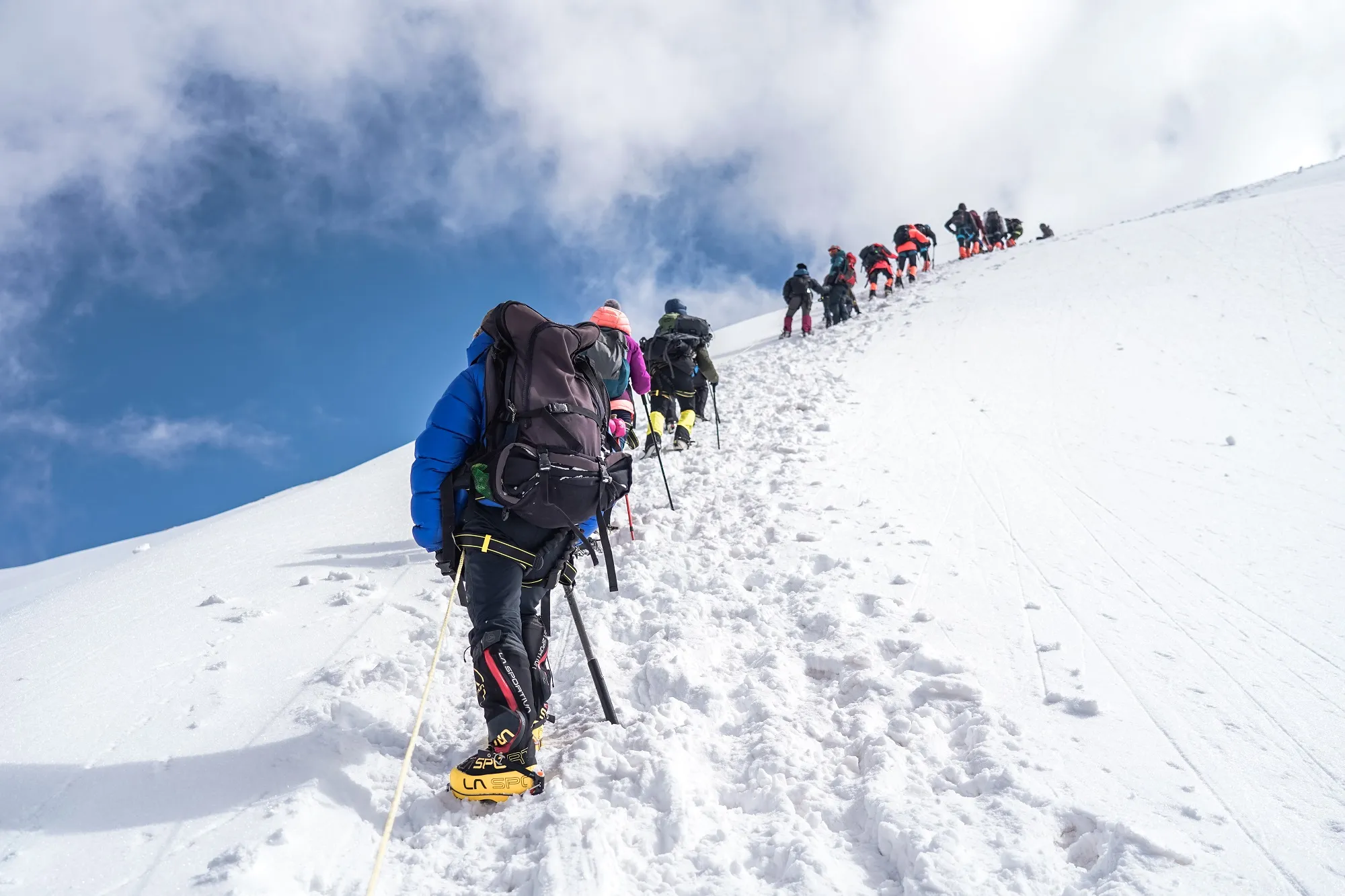
Table of Contents
Mount Everest, standing tall at 8,848 meters (29,029 feet), is the highest peak on Earth and a dream destination for mountaineers worldwide. The allure of standing on top of the world comes with significant financial, physical, and logistical considerations. In this comprehensive guide, we will explore the various costs associated with climbing Everest, from permits and equipment to guide services and additional expenses, providing a clear picture of what aspiring climbers need to budget for this extraordinary adventure.
Permit Fees and Regulations to summit Everest
Climbing Permits
One of the primary expenses for climbing Everest is the permit fee. The cost of a climbing permit varies depending on the route and the season. For the standard South Col route via Nepal, the permit fee for foreign climbers is approximately $11,000 per person during the peak season (spring). The North Ridge route via Tibet has different pricing, and climbers should consult with the Chinese Mountaineering Association for current rates.
Environmental and Conservation Fees
In addition to the climbing permit, climbers must pay various environmental and conservation fees. These fees are used to maintain the fragile ecosystem of the Everest region and support local communities. In Nepal, climbers must pay the Sagarmatha National Park entry fee and a garbage deposit fee, which is refunded upon successful waste management.
Guide Services and Support to summit Everest
Professional Guides
Hiring a professional guide is essential for a safe and successful Everest climb. Experienced guides provide vital support, route navigation, and emergency response. The cost of hiring a guide can range from $5,000 to $10,000, depending on their experience and reputation. Reputable guiding companies often include additional services such as base camp support, logistics, and communication systems.
Sherpa Support
Sherpas, the local mountain guides and porters, are indispensable to Everest expeditions. They assist with carrying loads, setting up camps, and ensuring climbers' safety. The cost of hiring a personal Sherpa can range from $4,000 to $5,000. Additionally, climbers may contribute to a tip pool for the entire Sherpa team, which is a customary practice to show appreciation for their hard work.
Equipment and Gear to summit Everest
Climbing Gear
High-quality climbing gear is crucial for a safe and successful ascent. Essential items include mountaineering boots, crampons, ice axes, harnesses, helmets, and down suits. The cost of purchasing or renting this gear can range from $2,000 to $6,000. It's essential to invest in reliable equipment to ensure safety and performance in extreme conditions.
Personal Clothing and Accessories
Proper clothing and accessories are vital for protection against harsh weather conditions. Climbers need base layers, insulated jackets, waterproof shells, gloves, hats, and sunglasses. The total cost for personal clothing and accessories can range from $1,500 to $3,000. Layering is essential to regulate body temperature and prevent frostbite.
Oxygen Systems
Supplemental oxygen is necessary for climbing Everest, especially above 7,000 meters (23,000 feet). Climbers require oxygen cylinders, regulators, masks, and flow meters. The cost of an oxygen system, including refills, can range from $3,000 to $5,000. Using oxygen improves performance and reduces the risk of altitude-related illnesses.
Travel and Accommodation to summit Everest
Flights
International flights to Nepal or Tibet are the first significant travel expense. Round-trip flights to Kathmandu, Nepal, can cost between $1,000 and $2,000, depending on the departure location and time of booking. Climbers traveling to Tibet will need to factor in additional costs for flights to Lhasa.
Domestic Flights
For those climbing from the south side (Nepal), a domestic flight from Kathmandu to Lukla is necessary. The round-trip cost for this domestic flight from Kathmandu to Lukla is approximately $300 to $500. The Lukla flight is known for its dramatic landing on a short runway, offering breathtaking views of the Himalayas.
Accommodation
Accommodation costs vary depending on the level of comfort desired. In Kathmandu, climbers can find budget hotels for as little as $20 per night, while luxury hotels can cost upwards of $200 per night. On the trek to Everest Base Camp, teahouses provide basic lodging, costing around $5 to $10 per night. In contrast, accommodation at base camp and higher camps is typically included in the expedition package.
Food and Supplies to summit Everest
Meals
The cost of food during the trek to Everest Base Camp and while climbing varies. In Kathmandu, meals at local restaurants are affordable, ranging from $5 to $15 per meal. On the trek, food prices increase due to the remote location, with meals costing $10 to $20 each. At base camp and higher camps, meal costs are usually included in the expedition fee.
Supplemental Supplies
Climbers need to bring additional supplies such as high-energy snacks, personal medical kits, and toiletries. The cost of these supplies can add up to $200 to $300. It's essential to have enough provisions to maintain energy levels and address minor health issues during the climb.
Training and Preparation to summit Everest
Physical Training
Physical fitness is critical for a successful Everest climb. Climbers should invest in a comprehensive training program that includes cardiovascular exercise, strength training, and altitude acclimatization. The cost of gym memberships, personal trainers, and specialized training programs can range from $500 to $2,000.
Climbing Courses
Many climbers benefit from taking mountaineering courses to develop their technical skills. Courses in ice climbing, crevasse rescue, and high-altitude mountaineering are valuable investments. The cost of these courses can range from $1,000 to $3,000, depending on the duration and location.
Insurance and Emergency Expenses to summit Everest
Travel and Health Insurance
Comprehensive travel and health insurance are essential for an Everest expedition. Insurance should cover trip cancellations, medical emergencies, evacuation, and repatriation. The cost of insurance varies based on the coverage and the climber's age, but it typically ranges from $500 to $1,500.
Emergency Evacuation
In case of severe illness or injury, climbers may need to be evacuated by helicopter. The cost of a helicopter evacuation from Everest Base Camp to Kathmandu can range from $5,000 to $10,000. It's crucial to ensure that the insurance policy covers emergency evacuation expenses.
Miscellaneous Costs to summit Everest
Visa and Permits
Climbers need to obtain visas for Nepal or Tibet. A Nepalese tourist visa costs around $50 for a 30-day stay, while a Chinese visa and special permits for Tibet can cost $150 to $200. These fees should be factored into the overall budget.
Tipping
Tipping is a customary practice in the Everest region. Climbers typically tip guides, Sherpas, and support staff as a token of appreciation for their hard work. The total tipping amount can range from $500 to $1,000, depending on the size of the team and the level of service provided.
Souvenirs and Gifts
Many climbers purchase souvenirs and gifts for friends and family. The cost of these items varies widely but can add an additional $100 to $500 to the overall budget. Popular souvenirs include local handicrafts, prayer flags, and mountaineering memorabilia.
Conclusion
Climbing Mount Everest is a monumental endeavor that requires significant financial investment. The cost of an Everest summit expedition can range from $35,000 to $85,000, depending on the level of support, route, and personal preferences. Aspiring climbers should carefully budget for permits, guide services, equipment, travel, accommodation, food, training, insurance, and miscellaneous expenses. By understanding and planning for these costs, climbers can focus on the incredible experience of reaching the top of the world.
While the financial commitment is substantial, the rewards of climbing Everest are immeasurable. The journey offers breathtaking landscapes, cultural immersion, and the unparalleled satisfaction of standing on the highest point on Earth. For those with the passion, dedication, and resources, summiting Everest is a once-in-a-lifetime achievement that will be cherished forever.

