
What City is Everest Base Camp In?
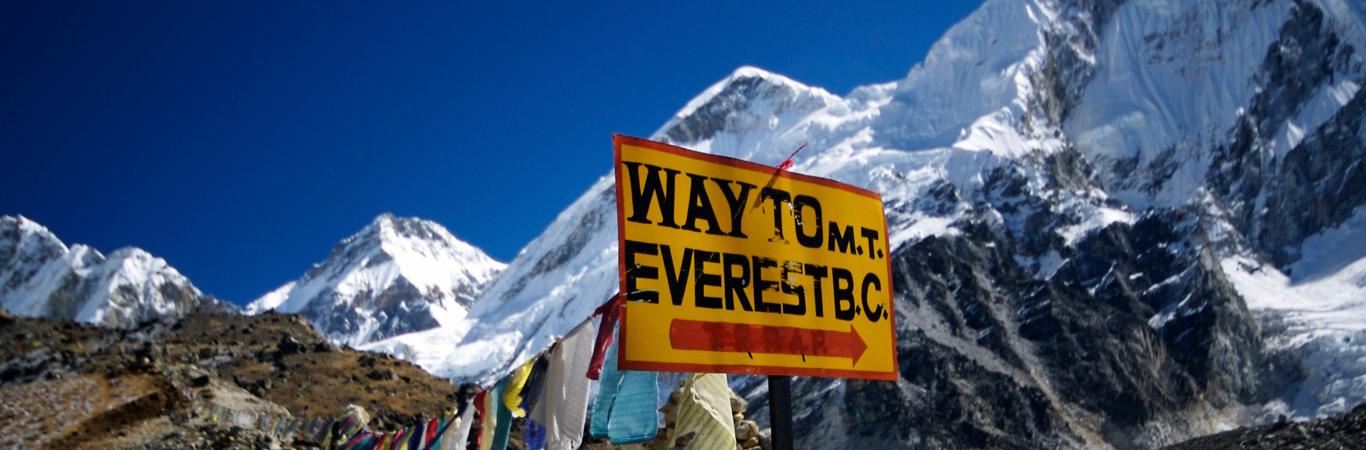
Table of Contents
What City is Everest Base Camp In?
When aspiring adventurers and trekking enthusiasts think of Everest Base Camp (EBC), their minds often wander to the lofty heights of Mount Everest. However, the question of what city Everest Base Camp is in can be perplexing, especially for those unfamiliar with the geography of the region. While Everest Base Camp isn't situated in a city as we traditionally understand it, the journey to this famous destination passes through several notable places, each with its own unique importance.
In this post, we’ll explore the route to Everest Base Camp, the towns and villages along the way, and the significance of the closest major city, Kathmandu, in organizing and preparing for this adventure.
The Gateway to Everest Base Camp: Kathmandu, Nepal
Although Everest Base Camp itself is in a remote, high-altitude location, the journey begins in the bustling capital of Nepal—Kathmandu. Known as the cultural and historical heart of Nepal, Kathmandu serves as the gateway to Everest and is the first stop for nearly all trekkers and climbers making their way to Base Camp.
Kathmandu is where your adventure begins. It’s home to Tribhuvan International Airport, Nepal’s largest airport, and the arrival point for most international visitors. From here, trekkers can stock up on supplies, get the necessary permits, meet with guides, and attend pre-trek briefings. Kathmandu is also filled with trekking agencies, shops offering gear and clothing, and comfortable hotels where trekkers can rest before embarking on their journey.
Additionally, Kathmandu offers a rich cultural experience with its temples, stupas, and vibrant markets. Trekkers often spend a few days here before heading towards the mountains, visiting UNESCO World Heritage sites such as Swayambhunath (the Monkey Temple), Boudhanath Stupa, and Durbar Square. The energy of Kathmandu, with its blend of ancient traditions and modern amenities, is a captivating introduction to the adventure that lies ahead.
The Flight to Lukla: A Thrilling Experience
The next step in the journey to Everest Base Camp is the flight to Lukla, often referred to as one of the most exciting and dangerous airports in the world. Lukla is a small town perched at an altitude of 2,860 meters (9,383 feet) and is the starting point for the Everest Base Camp trek.
The flight from Kathmandu to Lukla takes about 30-40 minutes and offers breathtaking views of the Himalayas. However, the tiny airstrip at Lukla, surrounded by steep mountains and perched on the side of a cliff, makes for an unforgettable landing. Once you arrive in Lukla, the trek to Everest Base Camp officially begins.
The Trekking Villages on the Route to Everest Base Camp
The journey from Lukla to Everest Base Camp takes you through some of the most picturesque and culturally significant villages in Nepal. These villages, nestled amidst the towering peaks of the Himalayas, are inhabited by the Sherpa people, whose rich culture and warm hospitality are integral to the experience of trekking in this region.
Namche Bazaar: The Sherpa Capital
Namche Bazaar is often considered the unofficial capital of the Khumbu region and is one of the most important villages along the Everest Base Camp trek. Situated at an altitude of 3,440 meters (11,286 feet), Namche Bazaar is a bustling market town where trekkers can rest, acclimatize, and enjoy stunning views of Everest and other peaks.
Namche is a crucial acclimatization stop, and trekkers usually spend an extra day here to adjust to the altitude. The village is filled with cozy tea houses, cafes, and shops selling trekking gear. It’s also home to the Sherpa Culture Museum and the Everest Photo Gallery, which provide insight into the history and traditions of the Sherpa people.
Tengboche: Spiritual Hub of the Himalayas
Further along the trek, after crossing suspension bridges over roaring rivers and passing through forests of rhododendron and pine, you’ll arrive at Tengboche. This village is famous for the Tengboche Monastery, the largest and most significant monastery in the Khumbu region. At an altitude of 3,867 meters (12,687 feet), the monastery is a spiritual center for the Sherpa people and offers trekkers a peaceful retreat with incredible views of Mount Ama Dablam, Mount Everest, and other peaks.
Tengboche Monastery is a great place to pause and reflect on the journey while taking in the awe-inspiring scenery.
Gorak Shep: The Last Stop Before Everest Base Camp
As you continue your trek through the high-altitude wilderness of the Khumbu region, you will eventually reach Gorak Shep, the last stop before Everest Base Camp. Gorak Shep is a small, remote village situated at an altitude of 5,164 meters (16,942 feet). It’s a cluster of tea houses and lodges that cater to trekkers and climbers on their way to Base Camp.
Due to its altitude, Gorak Shep can be a challenging place to stay, with cold temperatures and thin air. However, it serves as the staging point for the final push to Everest Base Camp, located just a few hours away on foot.
Everest Base Camp: A Destination, Not a City
Finally, after days of trekking through some of the most stunning landscapes on Earth, you’ll arrive at Everest Base Camp, situated at an altitude of 5,364 meters (17,598 feet). But Everest Base Camp is not a city or a permanent settlement. Instead, it’s a temporary encampment that comes to life during the climbing seasons when mountaineers from around the world gather to prepare for their ascent of the highest mountain on Earth.
During the peak climbing seasons (spring and autumn), Everest Base Camp is bustling with activity. Tents, equipment, and supplies are set up by expeditions attempting to summit Everest, and the camp becomes a temporary village of climbers, Sherpas, and support staff. However, once the climbing season ends, the camp is dismantled, and the area returns to its natural, rugged state.
While trekkers typically do not stay overnight at Everest Base Camp (instead returning to Gorak Shep for the night), reaching Base Camp is the culmination of the trek. Here, trekkers can take photos, soak in the atmosphere, and celebrate their achievement. It’s important to note that you won’t see the summit of Everest from Base Camp, as it’s hidden behind the towering peaks surrounding it. For the best views of Everest, trekkers often hike to Kala Patthar, a nearby viewpoint offering panoramic vistas of the Everest massif.
Conclusion: Everest Base Camp is an Adventure, Not a City
So, what city is Everest Base Camp in? The answer is that it’s not in a city at all. Instead, Everest Base Camp is a remote, high-altitude destination in the Khumbu region of Nepal. The journey to Base Camp begins in Kathmandu, Nepal’s bustling capital, and passes through several key villages, including Lukla, Namche Bazaar, Tengboche, and Gorak Shep.
The trek to Everest Base Camp is more than just a journey to a destination—it’s an adventure that takes you through some of the most beautiful and culturally rich landscapes in the world. While there may not be a city at Everest Base Camp, the memories, experiences, and sense of achievement gained along the way will last a lifetime.
If you’re planning a trek to Everest Base Camp, remember that it’s not just about reaching Base Camp itself—it’s about the entire journey and the incredible places and people you encounter along the way.

