
Everest Sherpa Village Experience – Exploring the Heart of the Khumbu Region
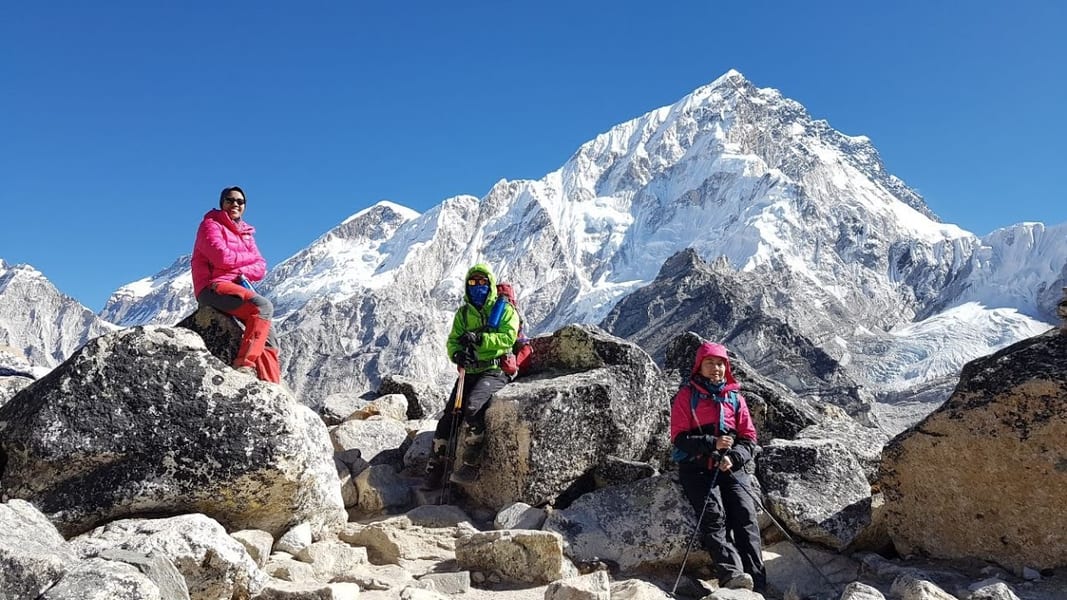
Table of Contents
The Everest region is one of the most spectacular mountain destinations in the world, famous for its breathtaking Himalayan scenery, rich Sherpa culture, ancient monasteries, and traditional mountain villages. The main attraction of the region is Mount Everest (8,848.86 m), the highest mountain on Earth, located in the Solukhumbu District in northeastern Nepal.
Solukhumbu is divided into three major sub-regions: Solu, Khumbu, and Pharak. Khumbu is the most renowned section, known as the homeland of the Sherpa people and the gateway to Mount Everest. The region offers a unique combination of natural beauty, cultural heritage, spiritual traditions, and mountain adventure.
Solukhumbu and the Khumbu Region
Khumbu is one of Nepal’s most famous Himalayan regions and lies within Sagarmatha National Park, a UNESCO World Heritage Site. The area is inhabited primarily by the Sherpa community, legendary mountaineers who have earned worldwide recognition for their climbing skills, hospitality, and deep Buddhist traditions.
The region is surrounded by some of the world’s highest mountains, including Mount Everest, Lhotse, Nuptse, Ama Dablam, Thamserku, Kangtega, and Cho Oyu. Every year thousands of trekkers, climbers, and cultural travelers visit Khumbu to experience its remarkable landscapes and unique mountain culture.
Popular Villages of the Everest Region
The Everest region is home to several beautiful Sherpa settlements, each offering its own cultural, historical, and natural significance.
 Lukla (2,860 m)
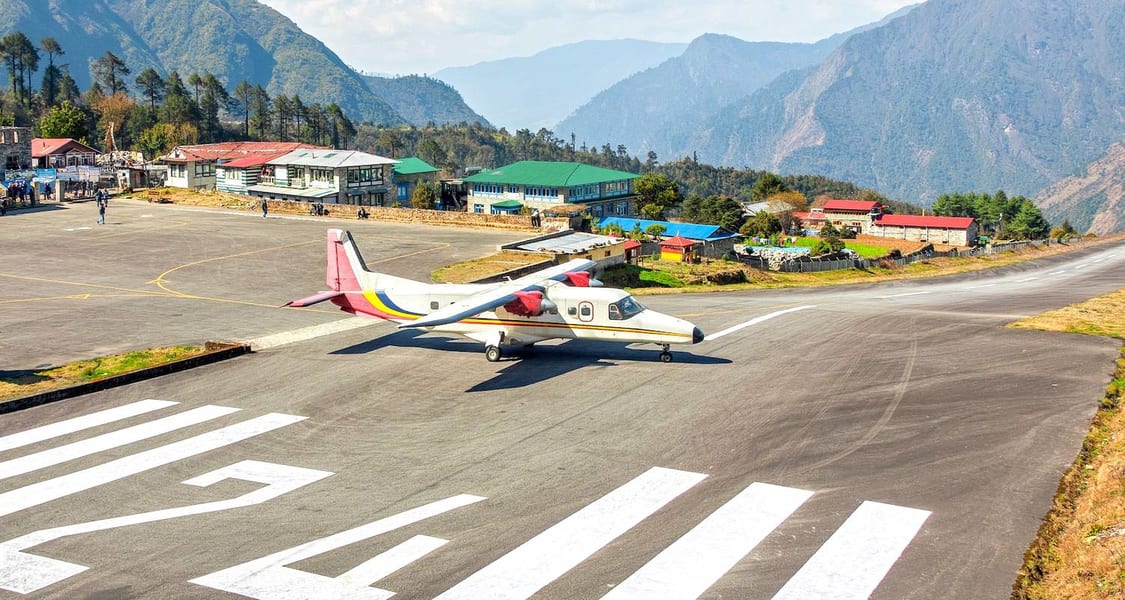
Lukla serves as the gateway to the Everest region. The famous mountain airport provides access to trekking routes leading toward Everest Base Camp and the Sherpa villages of Khumbu.
Phakding (2,610 m)
A peaceful riverside village located along the Dudh Koshi River, Phakding is often the first overnight stop for trekkers entering the Everest region.
Monjo (2,835 m)
Monjo is the entrance point to Sagarmatha National Park and offers beautiful forests, suspension bridges, and mountain scenery.
 Namche Bazaar (3,440 m)
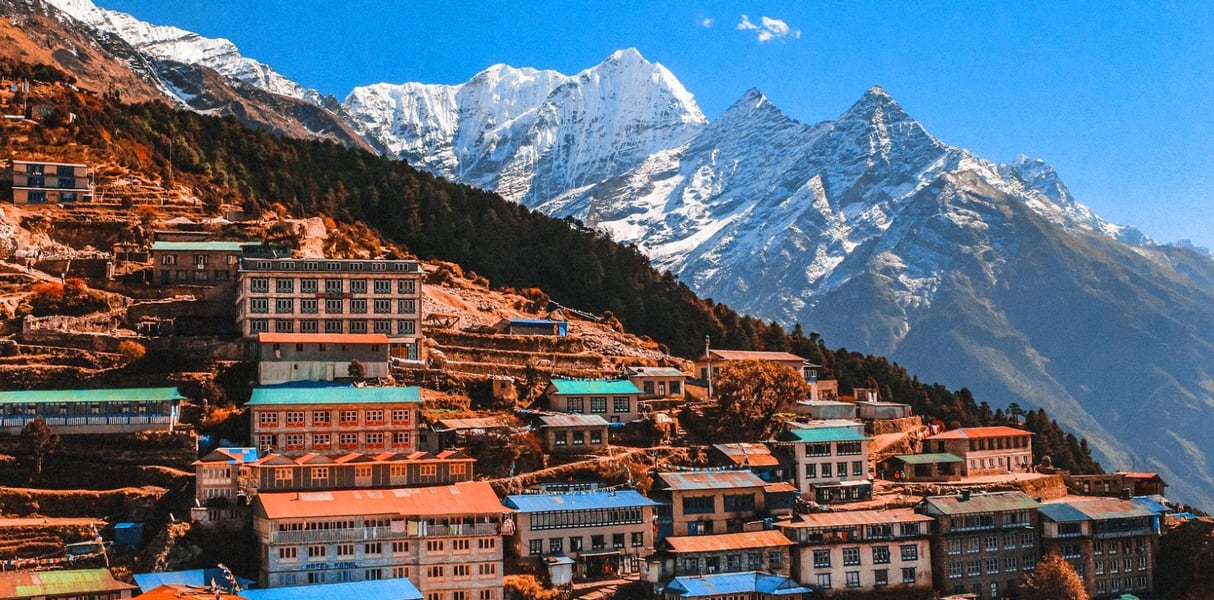
Namche Bazaar is the commercial and cultural center of the Khumbu region. Often called the "Sherpa Capital," the village offers hotels, restaurants, bakeries, museums, trekking shops, and stunning mountain views.
Khumjung (3,790 m)
Khumjung is one of the largest Sherpa settlements in Khumbu. The village is famous for the Khumjung Monastery and the school established by Sir Edmund Hillary.
Kunde (3,840 m)
Kunde is known for the famous Kunde Hospital built with the support of Sir Edmund Hillary. The village offers excellent views of Khumbila and surrounding mountains.
Tengboche (3,860 m)
Tengboche is home to the famous Tengboche Monastery, the largest and most important Buddhist monastery in the Everest region.
Pangboche (3,985 m)
Pangboche is one of the oldest Sherpa settlements and contains ancient monasteries, traditional houses, and rich Buddhist culture.
Phortse (3,810 m)
This traditional Sherpa village is known for producing many successful Everest climbers and offers spectacular views of Ama Dablam.
Dingboche (4,410 m)
Dingboche is a beautiful alpine village surrounded by stone walls and towering peaks. It serves as an acclimatization stop for Everest trekkers.
Lobuche (4,910 m)
Lobuche lies near the Khumbu Glacier and acts as the final village before reaching Everest Base Camp.
Thame (3,820 m)
Thame is an ancient Sherpa village famous for its monastery and as the birthplace of several world-famous climbers.
Thamo (3,500 m)
Thamo is a small and peaceful settlement located along the route to Thame, offering insight into traditional mountain life.
Everest Sherpa Village Experience
The Everest Sherpa Village Trek is an excellent cultural journey that allows visitors to explore the traditional settlements, monasteries, and daily lifestyle of the Sherpa people. Unlike high-altitude expeditions, this trek focuses on culture, history, religion, and village life while remaining accessible to travelers with moderate fitness.
The trek usually reaches elevations of around 3,500 to 4,000 meters, making it suitable for beginners and families. Previous trekking experience is not necessary.
The journey begins with a scenic mountain flight to Lukla. From Lukla, trekkers walk through forests, suspension bridges, rivers, and traditional villages while gradually ascending toward Namche Bazaar and neighboring Sherpa settlements.
Namche Bazaar – The Sherpa Capital
Namche Bazaar is the principal trading center of the Everest region and serves as the cultural heart of the Sherpa community. The village sits on a natural amphitheater surrounded by towering peaks and offers modern facilities while preserving traditional Sherpa culture.
Visitors can explore:
- Sherpa museums
- Local markets
- Traditional houses
- Monasteries
- Cafés and bakeries
- Trekking equipment shops
- Mountain viewpoints
From Namche Bazaar, travelers enjoy panoramic views of Mount Everest, Lhotse, Ama Dablam, Thamserku, Kongde, and many surrounding peaks.
Syangboche and Khumjung Villages
A short hike above Namche leads to Syangboche, one of the finest viewpoints in the entire Everest region. From here, visitors can witness spectacular views of Everest and the surrounding Himalayan range.
Continuing onward, trekkers reach Khumjung village, famous for:
- Khumjung Monastery
- Hillary School
- Traditional Sherpa houses
- Yak farms
- Ancient Buddhist culture
These villages offer an authentic glimpse into the daily life of the Sherpa people.
Tengboche Monastery
Tengboche Monastery is the spiritual center of the Khumbu region. Located on a ridge surrounded by snow-covered mountains, the monastery offers one of the most beautiful settings in the Himalayas.
Visitors can witness Buddhist ceremonies, prayer rituals, colorful festivals, and traditional chanting while enjoying breathtaking views of Everest, Ama Dablam, and other peaks.
Sagarmatha National Park
The trekking route passes through Sagarmatha National Park, a UNESCO World Heritage Site established to protect the unique Himalayan ecosystem.
The park contains:
- Pine forests
- Rhododendron forests
- Juniper trees
- Alpine meadows
- Glacial rivers
- Rare wildlife
Wildlife found in the park includes:
- Himalayan Thar
- Musk Deer
- Himalayan Monal
- Snow Leopard
- Red Panda
- Various mountain birds
Sherpa Culture and Lifestyle
The Sherpa people are known worldwide for their mountaineering achievements, hospitality, and strong Buddhist beliefs. Their traditions are deeply connected to the mountains and nature.
Visitors can experience:
- Traditional Sherpa homes
- Local cuisine
- Yak farming
- Prayer wheels and chortens
- Buddhist monasteries
- Religious festivals
- Mani walls and prayer flags
- Ancient customs and traditions
The warm hospitality of the Sherpa people makes every visitor feel welcome in the Himalayas.
Mountain Views During the Trek
The Everest Sherpa Village Trek offers magnificent views of numerous Himalayan peaks, including:
- Mount Everest (8,848.86 m)
- Lhotse (8,516 m)
- Nuptse (7,861 m)
- Ama Dablam (6,812 m)
- Thamserku (6,608 m)
- Kangtega (6,782 m)
- Kongde Ri (6,187 m)
- Khumbila (5,761 m)
These mountain panoramas make the journey unforgettable.
Why Choose the Everest Sherpa Village Trek?
- Easy and moderate trekking route.
- Suitable for beginners and families.
- Rich Sherpa culture and traditions.
- Beautiful monasteries and villages.
- Spectacular Himalayan scenery.
- Comfortable tea houses and lodges.
- Excellent mountain views.
- Opportunity to experience authentic Himalayan life.
- Less physically demanding than Everest Base Camp Trek.
- Ideal for cultural and photography enthusiasts.
Conclusion
The Everest Sherpa Village Experience is one of the finest cultural trekking journeys in Nepal. It combines spectacular Himalayan landscapes, traditional Sherpa villages, ancient monasteries, and warm local hospitality. Whether visiting Namche Bazaar, Khumjung, Kunde, Tengboche, or the peaceful villages of Thame and Phortse, travelers gain a deeper understanding of life in the Himalayas.
For those seeking culture, nature, mountain scenery, and authentic experiences without the challenges of high-altitude expeditions, the Everest Sherpa Village Trek offers an unforgettable journey into the heart of the Khumbu region.

