
Lobuche Peak
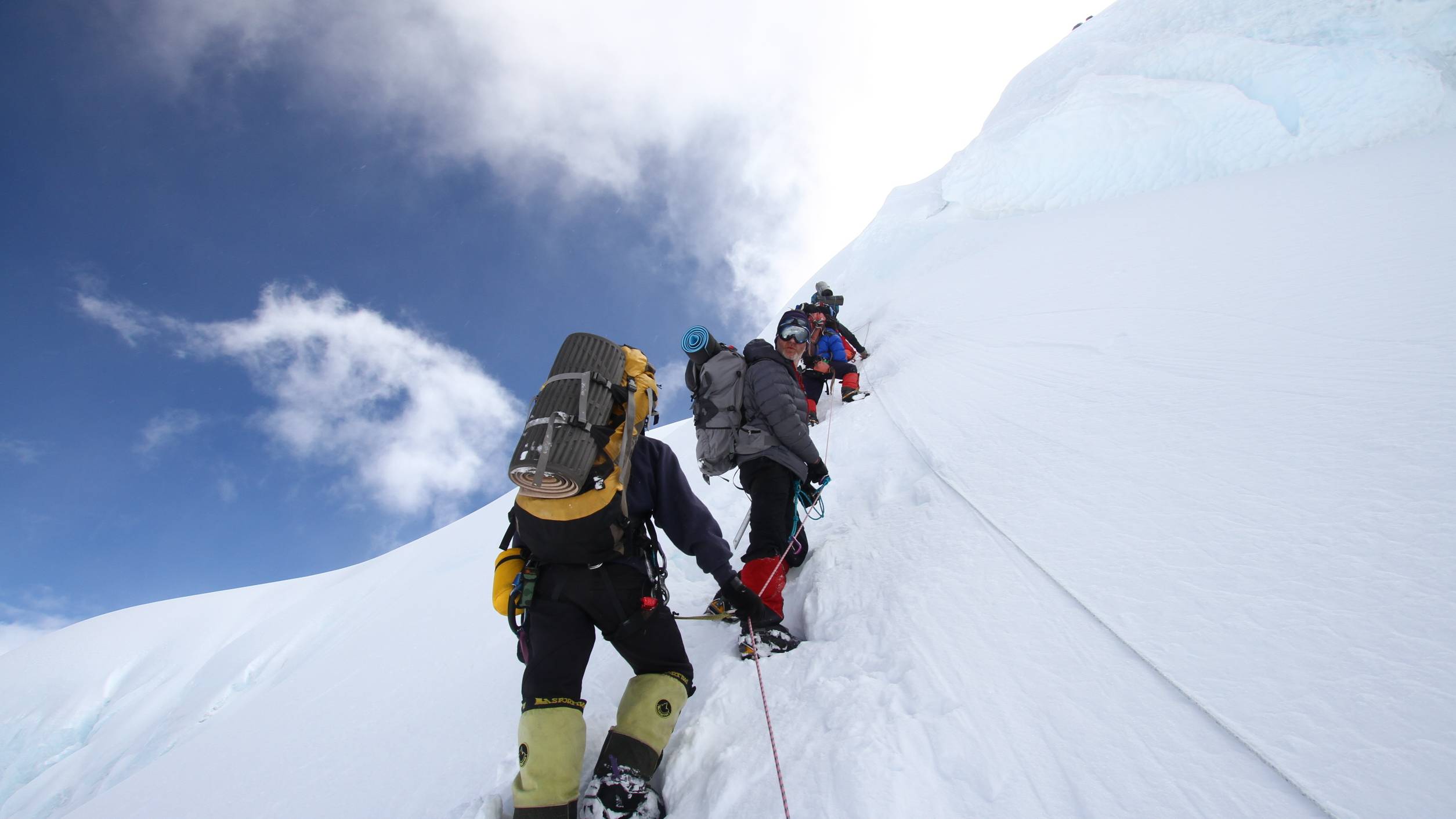
Table of Contents
In the heart of the Khumbu region of Nepal, Lobuche Peak stands as one of the most sought-after trekking peaks for adventurers and mountaineers. With its dramatic landscapes, challenging routes, and breathtaking views of some of the world's highest peaks, Lobuche Peak offers a unique and exhilarating experience for climbers. This guide provides an in-depth look into everything you need to know about Lobuche Peak, from its geographical significance to the preparation and journey required to conquer this majestic peak.
Introduction to Lobuche Peak
Geographical Significance
Lobuche Peak, at an altitude of 6,119 meters (20,075 feet), is situated close to the Khumbu Glacier in the Everest region of Nepal. It is part of the Himalayan range and lies near the famous Everest Base Camp trek route, making it an accessible yet challenging peak for climbers. The peak is divided into two main summits: Lobuche East and Lobuche West. Lobuche East is commonly climbed and recognized as a trekking peak by the Nepal Mountaineering Association, while Lobuche West, a more technical climb is classified as an expedition peak.
Historical Background
Lobuche Peak was first summited by Laurence Nielson and Sherpa Ang Gyalzen in April 25, 1984. Since then, it has become a sought-after peak for climbers looking for a mix of trekking and technical climbing, serving as an excellent acclimatization peak for those planning to climb higher mountains like Everest and Lhotse.
The Allure of Lobuche Peak
Stunning Scenery
Climbing Lobuche Peak offers unparalleled views of the surrounding Himalayan giants, including Everest, Lhotse, Nuptse, Ama Dablam, and Pumori. The panoramic vistas from the summit provide a unique perspective on these iconic mountains, making the climb a visual feast for nature lovers and photographers.
Cultural Experience
The trek to Lobuche Peak passes through several Sherpa villages, including Namche Bazaar, Tengboche, and Dingboche. These villages offer a glimpse into the rich cultural heritage of the Sherpa people, known for their hospitality, resilience, and deep-rooted connection to the mountains. Trekkers have the opportunity to visit ancient monasteries, participate in traditional ceremonies, and learn about the Sherpa way of life.
Physical Challenge
Lobuche Peak presents a moderate to high level of difficulty, making it an excellent choice for climbers with some previous trekking or climbing experience. The ascent involves navigating rocky terrains, snow and ice sections, and steep slopes, providing a comprehensive challenge that tests both physical endurance and technical skills.
Preparing for the Lobuche Peak Climb
Physical Training
Climbing Lobuche Peak requires a good level of physical fitness. Prospective climbers should engage in a well-rounded training program that includes cardiovascular exercises, strength training, and endurance activities. Hiking with a weighted backpack, stair climbing, and interval training are effective ways to build the necessary stamina and strength.
Technical Skills
While Lobuche Peak is considered a trekking peak, it does involve some technical climbing, particularly on snow and ice. Familiarity with the use of crampons, ice axes, and ropes is essential. Many climbers benefit from taking a mountaineering course or practicing these skills in a controlled environment before attempting the peak.
Acclimatization
Proper acclimatization is crucial to prevent altitude sickness and ensure a safe and successful climb. The trek to Lobuche Peak includes several days for acclimatization, typically spent at key locations such as Namche Bazaar and Dingboche. Climbers should follow a gradual ascent, stay hydrated, and listen to their bodies to minimize the risk of altitude-related issues.
Gear and Equipment
Climbing Lobuche Peak requires specialized gear, including:
-
Mountaineering boots
-
Crampons
-
Ice axe
-
Climbing helmet
-
Harness
-
Ropes
-
Down jacket
-
Layered clothing
-
Sleeping bag
-
Trekking poles
-
Sunglasses and sunscreen
It is essential to invest in high-quality equipment and ensure everything is in good condition before going on the trek.
The Journey to Lobuche Peak
Kathmandu to Lukla
The adventure begins with a scenic flight from Kathmandu to Lukla, one of the world's most challenging and thrilling airstrips. This 30-minute flight offers breathtaking views of the Himalayas and sets the stage for the trek ahead.
Trekking to Namche Bazaar
From Lukla, trekkers go on a journey through lush forests, crossing suspension bridges over the Dudh Koshi River, and passing through small villages. The trail gradually ascends to Namche Bazaar, the bustling hub of the Khumbu region. Here, trekkers spend a couple of days acclimatizing, exploring the town, and visiting local attractions such as the Everest View Hotel and the Sherpa Culture Museum.
Trekking to Dingboche
Leaving Namche Bazaar, the trail continues through rhododendron and juniper forests, with spectacular views of Ama Dablam. The route passes through the village of Tengboche, home to the famous Tengboche Monastery, before ascending to the high-altitude village of Dingboche. This is another critical acclimatization point, allowing trekkers to rest and prepare for the higher elevations ahead.
Trekking to Lobuche village
From Dingboche, the trail becomes steeper and more rugged, with breathtaking views of the surrounding peaks. Trekkers pass through the village of Thukla, where memorials for climbers who lost their lives on Everest are located. The final push to Lobuche involves a challenging ascent over rocky terrain, leading to the village of Lobuche, which serves as the base camp for the Lobuche peak.
Climbing Lobuche Peak
The ascent of Lobuche Peak typically begins in the early morning hours to take advantage of stable weather conditions. Climbers navigate a combination of rocky paths and snow-covered slopes, using their technical skills to overcome the steeper sections. The final push to the summit involves climbing a steep ridge, offering exhilarating and inspiring views. Reaching the summit is a moment of triumph, with panoramic vistas of Everest, Lhotse, and the surrounding peaks.
Post-Climb Reflections
Celebrating Success
Upon descending from Lobuche Peak, climbers often spend a night at Lobuche or another nearby village to rest and celebrate their achievement. This is a time to reflect on the journey, share stories with fellow trekkers, and bask in the sense of accomplishment.
Returning to Lukla
The trek back to Lukla follows a similar route, offering a chance to revisit favorite spots and say goodbye to the mountains. The return journey is typically faster, as climbers are now well-acclimatized and eager to reach Lukla for the flight back to Kathmandu.
Kathmandu
The adventure concludes with a return flight to Kathmandu, where climbers can relax, explore the city's cultural and historical sites, and enjoy the comforts of urban life. Many climbers take this opportunity to visit UNESCO World Heritage Sites such as Swayambhunath (the Monkey Temple), Boudhanath Stupa, and Pashupatinath Temple.
Why Climb Lobuche Peak?
Lobuche Peak offers an unforgettable adventure for those seeking to challenge themselves and experience the beauty of the Himalayas. With its stunning scenery, cultural richness, and physical demands, it provides a comprehensive mountaineering experience that is accessible yet rewarding. Whether you are an experienced climber looking to acclimatize for higher peaks or an adventurous trekker seeking a new challenge, Lobuche Peak is a destination that promises to deliver both excitement and fulfillment.
Tips for a Successful Climb
-
Choose the Right Season: The best time to climb Lobuche Peak is during the pre-monsoon (spring) season from March to May and the post-monsoon (autumn) season from September to November. These periods offer stable weather, clear skies, and favorable climbing conditions.
-
Hire a Reputable Guide: Hiring a knowledgeable and experienced guide is essential for safety and success. Guides provide valuable support, navigate the route, and assist with technical climbing sections.
-
Stay Hydrated and Nourished: Proper hydration and nutrition are crucial for maintaining energy levels and preventing altitude sickness. Drink plenty of water, eat nutritious meals, and carry high-energy snacks.
-
Listen to Your Body: Altitude affects everyone differently, so it is important to pay attention to your body and take rest days as needed. Do not push yourself beyond your limits.
-
Prepare Mentally: Climbing Lobuche Peak requires mental resilience as well as physical strength. Stay positive, focus on the journey, and celebrate small milestones along the way.
Final Thoughts
Lobuche Peak climbing expedition is more than just a physical challenge; it is a journey of personal growth, cultural immersion, and breathtaking natural beauty. The experience of standing atop Lobuche Peak, surrounded by the world's highest mountains, is a memory that will last a lifetime. With careful preparation, a positive mindset, and respect for the mountains, climbers can conquer Lobuche Peak and return with stories of adventure and triumph.
Whether you are an aspiring mountaineer or a seasoned adventurer, Lobuche Peak offers a unique and rewarding opportunity to explore the heart of the Himalayas. So, lace up your boots, pack your gear, and get ready for an adventure of a lifetime on Lobuche Peak.

