
Himalaya Base camp
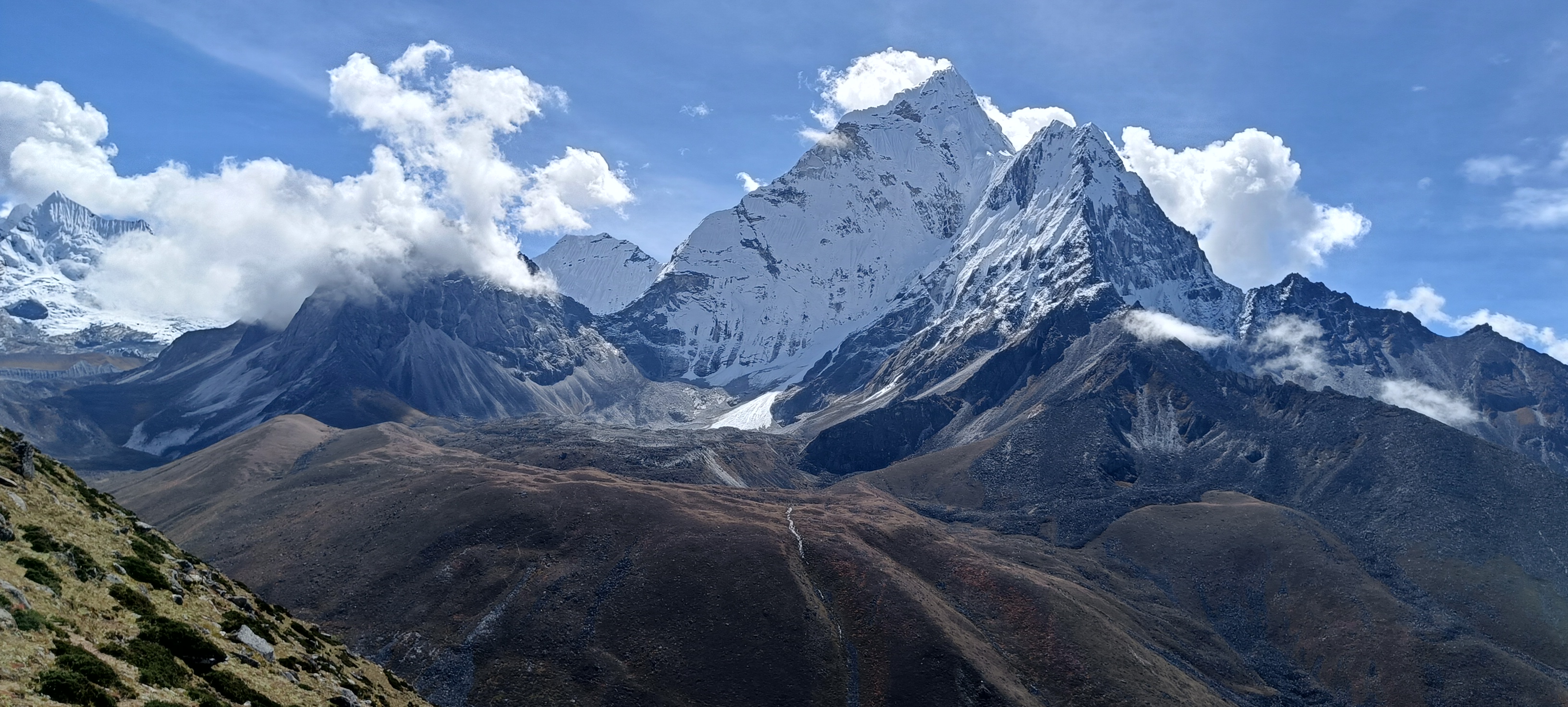
Table of Contents
Introduction
The Himalaya Base Camp is not just a destination; it's an inspiring journey into the heart of the world's most formidable mountains. Nestled in the lap of the towering peaks, the base camps serve as the starting point for climbers aiming to conquer the highest summits on Earth. Whether you are an trekker, a mountaineer, or simply an nature's person, the Himalaya Base Camp offers an unparalleled experience.
The Significance of Base Camps
Base camps in the Himalayas are more than just a place to pitch a tent. They are vital hubs where climbers acclimatize to the altitude, prepare their gear, and make crucial decisions about their ascent. The base camps are bustling with activity, from the arrival of new trekkers to the departure of seasoned climbers heading towards their ultimate goals. They provide essential support and act as a last refuge before the daunting heights of the Himalayas.

Popular Base Camp Trek
-
Everest Base Camp Trek: One of the most iconic treks in the world, the Everest Base Camp (EBC) trek takes you to the foot of the highest mountain on Earth. The journey begins in Lukla and passes through picturesque Sherpa villages, dense forests, and stunning glacial moraines. Highest elevation gain during the trek is 5,364 meters (17,598 feet). Highlights include Namche Bazaar, Tengboche Monastery, and the breathtaking view of Everest from Kala Patthar. This trek typically takes about 12-14 days, including acclimatization days to adjust to the high altitude.
-
Annapurna Circuit Trek: Renowned for its diverse landscapes and cultural richness, the Annapurna Circuit Trek circles the Annapurna massif, taking trekkers through terraced fields, subtropical forests, and arid high-altitude deserts. The trail includes the challenging Thorong La Pass (5,416 meters) and offers spectacular views of Annapurna, Dhaulagiri, and Machapuchare. The trek usually spans 15-20 days, providing ample time to experience the varied environments and cultures of the Annapurna region.
-
Langtang Valley Trek: Closer to Kathmandu, the Langtang Valley Trek is a shorter but equally rewarding trek that takes you through the beautiful Langtang National Park. The trek offers stunning views of Langtang Lirung, lush bamboo forests, and charming Tamang villages. The valley is also known for its rich biodiversity and the sacred Gosaikunda Lake. This trek can typically be completed in 7-10 days, making it an excellent option for those with limited time. Highest elevation trek during the trek is 3,430 metres / 11,253 ft
-
Manaslu Circuit Trek: A less crowded but equally stunning trek, the Manaslu Circuit Trek offers a remote and adventurous experience. The trail circles Mount Manaslu, the eighth-highest peak in the world, and takes trekkers through traditional villages, high mountain passes, and pristine landscapes. The trek includes crossing the Larkya La Pass (5,160 meters), which provides breathtaking views of the surrounding peaks. The Manaslu Circuit Trek usually takes around 14-18 days to complete.
-
Ghorepani Poon Hill Trek: The Ghorepani Poon Hill Trek is perfect for those looking for a shorter and less strenuous trek that still offers incredible views. The trek takes you through the Annapurna region, passing through rhododendron forests and traditional Gurung villages. The highlight is the sunrise view from Poon Hill (3,210 meters), which offers panoramic views of the Annapurna and Dhaulagiri ranges. This trek typically takes 5-7 days and is ideal for beginners or those with limited time.
-
Makalu Base Camp Trek: The Makalu Base Camp Trek is an off-the-beaten-path adventure that takes you to the base of Mount Makalu, the fifth-highest mountain in the world. The trek offers a diverse range of landscapes, from lush tropical forests to high alpine terrain. Trekkers pass through the beautiful Barun Valley, known for its rich biodiversity and stunning scenery. This trek is more remote and challenging, usually taking around 20-24 days to complete. Highest elevation gain during the trek is 5,250 meters (17,220 feet)
-
Upper Mustang Trek: The Upper Mustang Trek offers a unique cultural experience as it takes you through the ancient kingdom of Mustang, which was once a part of Tibet. The landscape is strikingly different from other treks, with its arid, desert-like terrain and red-walled monasteries. The trek includes visits to the capital of Lo Manthang and the opportunity to explore caves, monasteries, and traditional Tibetan villages. This trek typically takes 10-14 days and offers a rare glimpse into a preserved Tibetan culture. Highest elevation gain during the trek is 4,000 meters (13,100 feet)
Preparing for the Trek
Trek to a Himalayan base camp requires thorough preparation. Here are some key considerations:
-
Physical Fitness: The treks can be physically demanding, requiring good cardiovascular endurance and strength. Regular exercise and hiking practice are essential.
-
Acclimatization: Altitude sickness is a serious concern. It's crucial to allow time for acclimatization to avoid adverse effects. Most treks include acclimatization days to help your body adjust.
-
Gear and Equipment: Proper gear, including high-quality trekking boots, warm clothing, and a sturdy backpack, is vital. Many trekking companies provide detailed packing lists to ensure you are well-prepared.
-
Permits and Documentation: Depending on the region and base camp, various permits are required. Ensure all necessary documentation is in order before you begin your journey.
Cultural and Natural Wonders
The trek to any Himalayan base camp is not just about the mountains. It's also an opportunity to immerse yourself in the rich culture and traditions of the local people. Along the way, you'll encounter ancient monasteries, prayer flags fluttering in the wind, and friendly locals who offer a glimpse into their way of life. The natural beauty of the region, from cascading waterfalls to serene alpine lakes, adds to the allure of the journey.
Choosing the Right Trekking Company
Selecting a reliable trekking company is crucial for a safe and enjoyable experience. Here’s what to look for:
-
Reputation: Look for companies with positive reviews and testimonials. Check their website and social media pages for feedback from previous trekkers.
-
Experience: Choose a company with extensive experience in organizing Base camp treks. Experienced companies have better logistical support and knowledgeable guides.
-
Safety Measures: Ensure the company prioritizes safety. They should have trained guides, proper first-aid kits, and emergency evacuation plans in place.
-
Comprehensive Services: A good trekking company will provide a package that includes permits, accommodation, meals, and necessary equipment. This reduces the hassle of organizing these elements
Understanding the Challenge
Trekking to a Himalayan base camp is a significant challenge that requires mental and physical fortitude. The trails can be steep and rugged, the weather unpredictable, and the altitude challenging. However, the sense of achievement and the stunning vistas make every step worthwhile. It's essential to approach the trek with a positive attitude, realistic expectations, and a willingness to embrace the adventure.
Final Thoughts
A journey to the Himalaya Base Camp is a transformative experience that offers a unique blend of natural beauty, cultural richness, and personal achievement. Whether you are standing at the foot of Everest, gazing at the Annapurna range, or marveling at Kangchenjunga, the Himalayas will leave an indelible mark on your soul. With proper preparation, a reliable trekking company, and a spirit of adventure, your trek to the Himalaya Base Camp will be an unforgettable adventure of a lifetime.

