
Everest Base Camp Trek in May
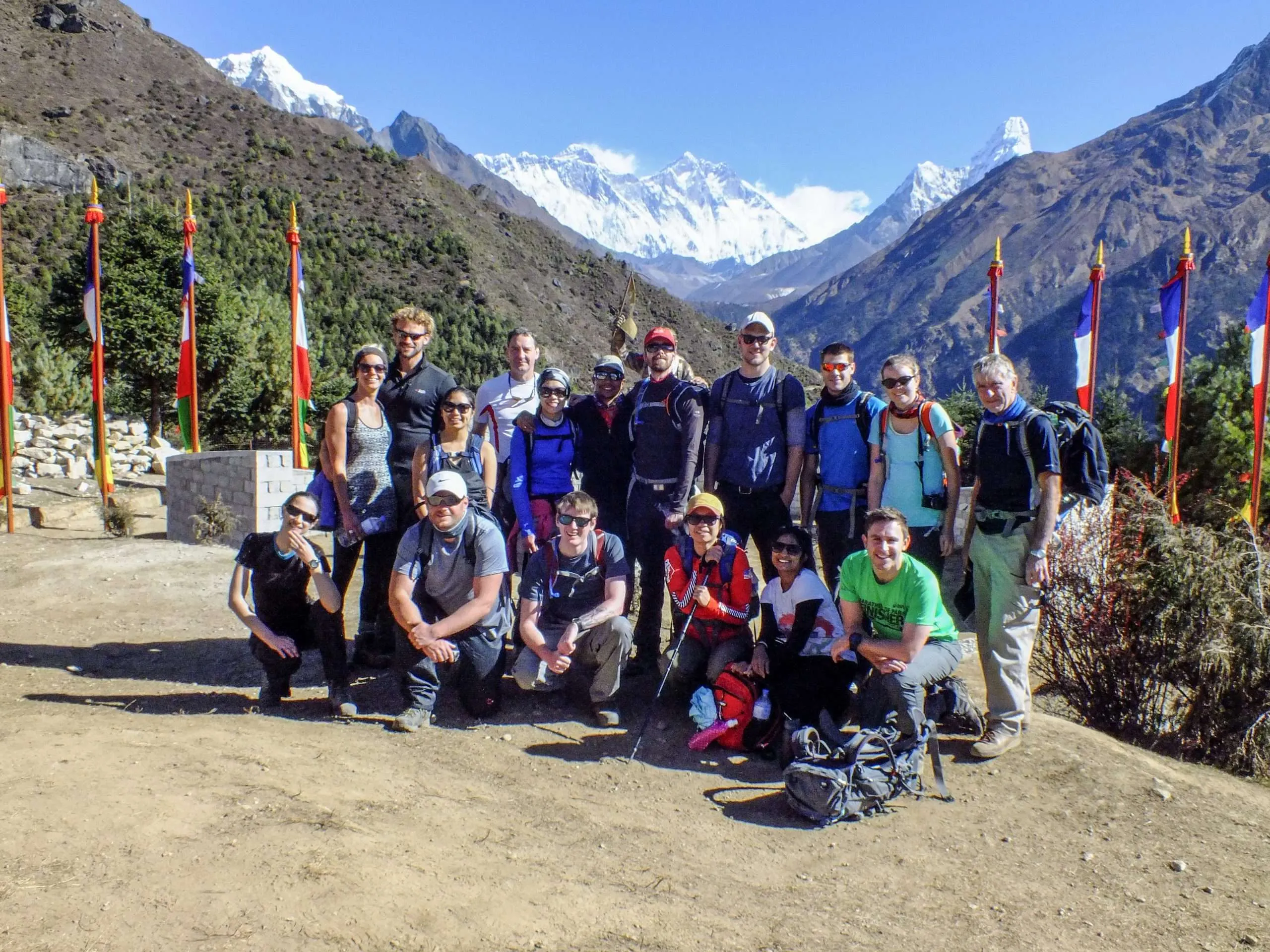
Table of Contents
Everest Base Camp Trek in May
Everest Base Camp Trek is one of the popular destination for all traveler from the world. It is on the base of summit which is the end surface of the earth. Reaching the Base Camp is someone’s achievement of lifetime. In Nepal Trekking to Everest Base Camp is possible throughout the year. Every season has a different feature and there are excitement and thrilling to offer the trekker. May is the month of post-spring season and is one of the best times for trekking in Nepal. Nature welcome you during the trek by clear skies, snow-capped mountain attract towards them, birds chirp, chilling wind and silence routes creates a different vibes.
Major Highlight of Everest Base Camp Trek in May
The Everest Base Camp trek in May offers a multitude of attractions and highlights. Here are some of the main attractions you can look forward to during the trek:
Stunning Mountain Views
May provides excellent opportunities for breathtaking mountain views. The clear skies and favorable weather conditions offer panoramic vistas of the world's highest peaks, including Mount Everest, Lhotse, Nuptse, Ama Dablam, and many more. Witnessing these majestic mountains up close is an awe-inspiring experience.
Rhododendron Blooms
May is a spectacular time to witness the vibrant rhododendron blooms along the trekking trail. The hillsides are adorned with colorful flowers in shades of red, pink, and white, creating a striking contrast against the green landscapes. This natural display adds beauty and charm to the trekking experience.
Sherpa Culture and Traditions
The Everest region is predominantly inhabited by the Sherpa community, known for their warm hospitality and rich culture. Along the trek, you can immerse yourself in the Sherpa way of life, visit monasteries, and interact with the locals. Learn about their traditions, customs, and religious practices, which are deeply rooted in Tibetan Buddhism.
Namche Bazaar
Namche Bazaar is a vibrant and bustling Sherpa town, often considered the gateway to Everest. It serves as a hub for trekkers and climbers, offering various amenities, including shops, restaurants, and accommodations. Exploring the lively streets of Namche Bazaar, visiting the local markets, and experiencing the unique blend of Sherpa and Tibetan cultures are highlights of the trek.
Everest Base Camp
The ultimate destination of the trek is Everest Base Camp itself. Standing at an elevation of 5,364 meters (17,598 feet), reaching Base Camp is a significant achievement. It offers a sense of accomplishment and allows you to witness the iconic base where climbers begin their ascent to the summit of Mount Everest.
Tengboche Monastery
Located at an elevation of 3,867 meters (12,687 feet), Tengboche Monastery is one of the most important monasteries in the Everest region. It holds religious significance and is a spiritual haven for trekkers and climbers. The monastery's picturesque setting against the backdrop of snow-capped peaks makes it a captivating sight.
Sagarmatha National Park
The Everest Base Camp trek takes you through the scenic landscapes of Sagarmatha National Park, a UNESCO World Heritage Site. The park is home to a diverse range of flora and fauna, including Himalayan wildlife such as musk deer, Himalayan thar, and various bird species. The natural beauty and biodiversity of the park add to the trekking experience.
These attractions, combined with the sense of adventure, personal achievement, and cultural immersion, make the Everest Base Camp trek in May a truly unforgettable journey. However, it's essential to be prepared, plan ahead, and take necessary precautions to ensure a safe and enjoyable experience.
Things to know before trekking to EBC trials
Before embarking on a trek to Everest Base Camp (EBC), it is important to be well-prepared and informed. Here are some key things to know before trekking to EBC:
Physical Fitness
The EBC trek is physically demanding and involves long hours of walking and steep ascents and descents. Prior physical fitness preparation, including cardiovascular exercises and strength training, is essential.
Trekking Seasons
The primary trekking seasons for EBC are spring (March to May) and autumn (September to November). These months offer stable weather, clear skies, and better visibility. However, it can get crowded during these times. Winter and monsoon seasons are less favorable due to harsh weather conditions and potential risks.
Acclimatization
Acute Mountain Sickness (AMS) is a real concern during high-altitude treks. Take your time to acclimatize properly at designated stops along the trail to allow your body to adjust to the altitude. Stay hydrated, avoid alcohol and strenuous activities, and be aware of the symptoms of AMS.
Trekking Permits
As mentioned earlier, you need to obtain the necessary permits, including the Sagarmatha National Park Entry Permit and the Trekkers' Information Management System (TIMS) Card. These permits are usually obtained in Kathmandu or Lukla before starting the trek.
Gear and Equipment
Proper trekking gear is crucial for a successful and comfortable journey. Essential items include sturdy hiking boots, warm clothing (layers), a good-quality sleeping bag, a backpack, trekking poles, a headlamp, sunscreen, a hat, and sunglasses. It's also advisable to carry a basic first aid kit.
Accommodation and Food
Tea houses and lodges are available along the EBC trail, providing basic accommodation and meals. However, it's recommended to book your accommodation in advance during peak seasons. The teahouses offer a variety of local and international food options, but be mindful of food hygiene and choose well-cooked and safe meals.
Guides and Porters
While it is possible to trek to EBC independently, hiring a guide or porter can be beneficial. Guides are knowledgeable about the trail, provide assistance, and help with navigation and communication. Porters can carry your heavy backpack, allowing you to trek more comfortably.
Altitude-related Challenges
Altitude sickness can affect anyone, regardless of fitness level. Be aware of the symptoms, stay hydrated, ascend slowly, and follow the advice of your guide or trekking team. It's important to prioritize safety over reaching the destination.
Travel Insurance
Ensure you have comprehensive travel insurance that covers trekking activities, medical emergencies, and evacuation by helicopter if needed. Read the policy carefully to understand the coverage and ensure it meets your requirements.
Environmental Considerations
Respect the environment and local culture. Follow the "Leave No Trace" principles, dispose of waste properly, and respect the local customs and traditions. Remember that you are a guest in the region and treat it with care and appreciation.
Remember to research and plan your trek thoroughly, listen to the advice of experienced trekkers or local experts, and be flexible with your itinerary based on weather conditions and your own physical condition. Enjoy the breathtaking landscapes, interact with locals, and make unforgettable memories during your trek to Everest Base Camp in May.
Everest Base Camp Trek itinerary
Day 1: Land in Kathmandu (1400m) and overnight in a hotel. Preparing the essential accessories under the official guidance.
Day 2: From Kathmandu to Lukla (by flight) and trek to Phakding (2651m)
Day 3: Trek from Phakding to Namche Bazaar (3440m)
Day 4: Acclimatization day at Namche Bazaar, Walking around, hiking to Everest View Hotel, exploring and enjoying the Himalayas views.
Day 5: Trek Namche Bazaar to Tengboche (3868 m)
Day 6: Trekking Tengboche to Dingboche (4410 m)
Day 7: Day acclimatization at Dingboche, Walking few hours, Photography, and enjoying the scenery.
Day 8: Trek Dingboche to Lobuche (4938 m)
Day 9: Trek Lobuche to Gorakshep (5180 m)-Hike to EBC. (5364 m)
Day 10: Gorakshep hike to Kala Pathar-View point (5550 m) to Pheriche (4240 m)
Day 11: Trek Pheriche to Namche (3440 m)
Day 12: Namche Bazaar trek to Lukla (2860 m)
Day 13: Lukla to Kathmandu (1400 m) by flight.
Day 14: Departure day from Kathmandu or you can do other activities.
Total Expenditures during the Everest Base Camp Trek
If you go for Everest Base camp Trek through agency, then payment will be in sum before the trek. This will help you not to worry in middle of the trek in search for hygienic foods and clean accommodations.
For general information we made some list of expenditures
Flights
The EBC trek usually starts with a flight from Kathmandu to Lukla. The cost of a round-trip flight can range from $300 to $500 USD, depending on the airline, availability, and time of booking.
Permits
As mentioned earlier, you will need to obtain the Sagarmatha National Park Entry Permit and the Trekkers' Information Management System (TIMS) Card. The permit costs mentioned previously were around $26 USD for the park entry permit and $17 USD for the TIMS card, but please check for any potential changes in permit fees.
Accommodation
During the trek, you will be staying in tea houses or lodges along the trail. The cost of accommodation varies depending on the location and the services provided. On average, expect to spend around $10 to $25 USD per night for a basic room. Keep in mind that prices can be higher in more remote or high-altitude areas.
Food and Water
Tea houses offer meals ranging from local Nepalese dishes to Western-style food. The cost of meals can vary, but on average, budget around $10 to $20 USD per day for meals and snacks. Bottled water is available along the trail, but it can be expensive. It's advisable to bring water purification tablets or a water filter to treat water from local sources.
Guide and Porter
If you choose to hire a guide or porter, there will be additional costs. The daily cost for a guide can range from $25 to $40 USD, while the cost for a porter can be around $15 to $25 USD per day. You may also need to cover their accommodation, meals, and insurance.
Miscellaneous Expenses
Additional expenses can include equipment rentals, such as sleeping bags and trekking poles, which can cost around $1 to $5 USD per item per day. You may also want to budget for snacks, hot showers (which may have a separate cost), charging electronic devices, and tips for guides and porters.
Considering these factors, a rough estimate for the total expenditure during an EBC trek in May, including flights, permits, accommodation, meals, and miscellaneous expenses, could range from $1,200 to $2,500 USD per person for a 12 to 14-day trek. This is an approximate estimate, and your actual expenses may vary. It's advisable to budget and plan accordingly, keeping some extra funds for unforeseen circumstances or additional expenses.
Some Frequently Asked Questions about Everest Base Camp Trek in May
Why goods are expensive in Everest Base Camp Trek?
The price of the foods and accommodation on the Everest Base Trials depending on the different factors.
One of the major factors the lack for transportation in Everest Base Camp Trials, so porter have to carry everything up the mountain which cost relatively expensive and makes the increased price.
How much cash do I need for Everest Base Camp Trek?
Depending on the package and trip duration, you need to pay for Everest Base Camp Trek.it is better to Nepalese currency for extra expense in the Everest Base Camp Trial.
Trek Cost Trip duration
Everest Base camp Trek US$ 2,790 12 days
And Helicopter return
Everest Base Camp US$2,290 17 days
And Gokyo Lakes
Everest Base Camp US$2,390 19 days
And Three Passes
Is it hard to breathe at Everest Base Camp?
In higher Altitude, altitude sickness is common. Due to this the body doesn’t function as normal. When you go to into higher area like Everest region where you must manage with less oxygen. It cause nausea vomiting and headache and also some got fainted. To avoid this, you need to be hydrated and give it adequate time to adapt to the reduced oxygen intake.
What should we eat during the Everest Base Camp Trek?
Hygienic vegetarian foods are highly recommended in the Everest Trial. Non veg foods are not hygienic due the lack preservation facilities in Everest region.
Change in temperature and atmospheric pressure in the vicinity have a profound impact on our bodies which needs to be taken care of in order to complete a successful trek. Healthy foods makes more pressure to the body so it is better to avoid it.

