
Everest Base Camp Trek in June
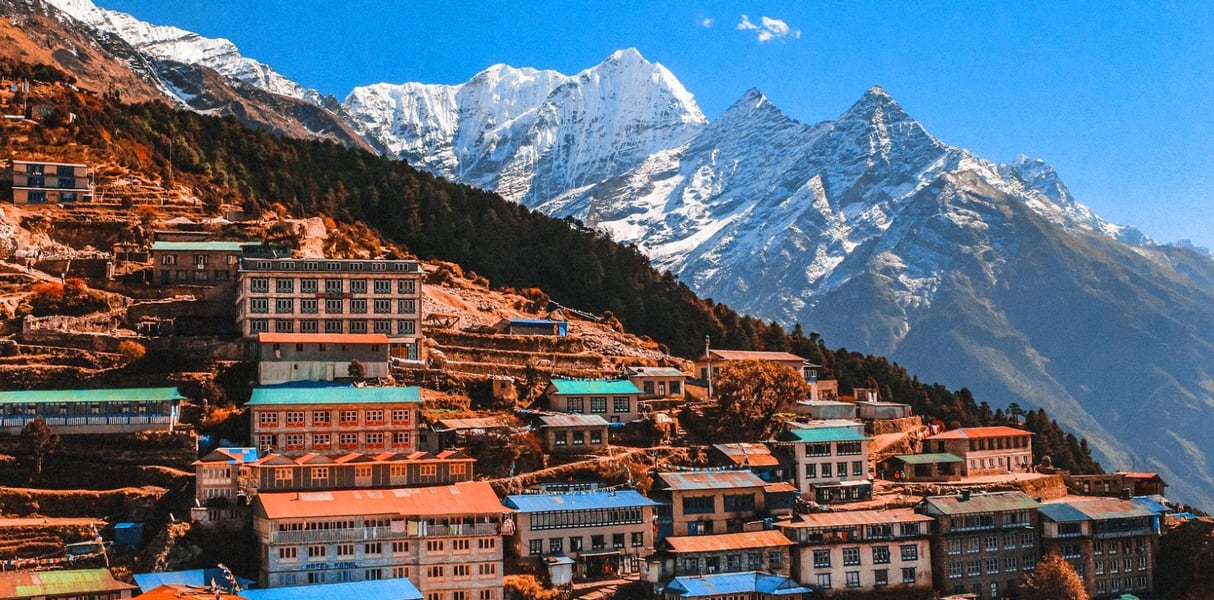
Table of Contents
Everest Base Camp Trek in June
Although the best month for trekking is spring (March to mid-May) and autumn (mid-September to November), Everest Base Camp Trek in June offers you throughout the year. Besides the challenging trials, The Everest Base camp Trek in June is relatively less cold, and provides a pleasant experience of the glaciers, mountains, passes as well as the panoramic vision of the Himalayan ranges. Summer begins from June welcoming monsoon which may destroy the trekking routes .Be alert, accept the unexpected rain and trek with proper guidance which, makes your expedition more enjoyable and memorable.
Major Highlight of Everest Base Camp Trek in June
While trekking to Everest Base Camp in June has its challenges due to the monsoon season, there are still several highlights that make it a unique and rewarding experience.
Here are some major highlights of the Everest Base Camp trek in June:
Lush Green Landscapes
June is a month when the monsoon rains bring life to the region. The hills and valleys are covered with lush greenery, creating a vibrant and picturesque backdrop throughout the trek. The landscapes transform into a verdant paradise, offering a different perspective compared to other seasons.
Fewer Crowds
June is considered the off-peak season for trekking in the Everest region. As a result, there are fewer trekkers on the trail compared to the peak seasons. This allows for a more peaceful and serene experience, with less competition for accommodations and a greater sense of solitude in the mountains.
Unique Wildlife and Flora
The monsoon season brings forth a variety of flora and fauna. The hillsides and forests come alive with blooming flowers, ferns, and mosses. You may also have the opportunity to spot different bird species and other wildlife that thrive in the region during this time.
Cultural Experiences
The Everest region is home to Sherpa communities, and trekking through their villages offers a chance to immerse yourself in their rich culture and traditions. In June, you may witness local festivals and ceremonies, providing a deeper insight into the Sherpa way of life.
Refreshing Waterfalls and Rivers
The monsoon rains create numerous waterfalls along the trail, cascading down the mountainsides. These waterfalls offer a refreshing sight and provide opportunities for photography. Additionally, the rivers and streams become more robust and add to the scenic beauty of the trek.
Unique Atmosphere
Trekking in June has a distinct atmosphere with the occasional rainfall, misty landscapes, and cloudy skies. While this may limit the visibility of the mountains at times, it adds a mystical and serene ambiance to the trek. The cloud cover can create dramatic scenery and unique photographic opportunities.
Lower Costs
June falls within the off-peak season, which means you may find lower costs for flights, accommodation, and services along the trekking route. Tea houses and lodges may offer discounted rates or additional benefits to attract trekkers during this time.
It's important to keep in mind that the weather in June can be unpredictable, and there may be occasional rain showers and cloudy conditions that limit mountain views. However, embracing the unique aspects of trekking in the monsoon season can offer a different perspective and a memorable experience amidst the natural beauty of the Everest region.
Everest Base Camp Trek Itinerary
Depending on the weather and route condition, you might have change the route and destination as well.
Some basic outline of Everest Base Camp Trek In June is as follow:
Day 1: Land in Kathmandu (1400m) and overnight in a hotel. Preparing the essential accessories under the official guidance.
Day 2: From Kathmandu to Lukla (by flight) and trek to Phakding (2651m)
Day 3: Trek from Phakding to Namche Bazaar (3440m)
Day 4: Acclimatization day at Namche Bazaar, Walking around, hiking to Everest View Hotel, exploring and enjoying the Himalayas views.
Day 5: Trek Namche Bazaar to Tengboche (3868 m)
Day 6: Trekking Tengboche to Dingboche (4410 m)
Day 7: Day acclimatization at Dingboche, Walking few hours, Photography, and enjoying the scenery.
Day 8: Trek Dingboche to Lobuche (4938 m)
Day 9: Trek Louche to Gorakshep (5180 m)-Hike to EBC. (5364 m)
Day 10: Gorakshep hike to Kala Pathar-View point (5550 m) to Pheriche (4240 m)
Day 11: Trek Pheriche to Namche (3440 m)
Day 12: Namche Bazaar trek to Lukla (2860 m)
Day 13: Lukla to Kathmandu (1400 m) by flight.
Day 14: Departure day from Kathmandu or you can do other activities
Note: you will be responsible for the additional charge if included.
Frequently Inquired Question for Trekking To Everest Base Camp Trek
What happens to the payment if any delay in flight or have to stay more days due to weather condition?
In the event of flight delays or the need to stay extra days due to bad weather during your Everest Base Camp trek, there are a few factors to consider regarding payments:
Accommodation
If you are unable to continue the trek due to bad weather or flight delays, you may need to extend your stay in tea houses or lodges along the trail. In such cases, you would typically be responsible for paying for the additional nights of accommodation. The cost will depend on the specific tea house or lodge and their rates for extended stays.
Food and Services
During the extended stay, you would also need to cover the costs of meals, drinks, and any additional services provided by the tea houses or lodges. These expenses would be paid directly to the respective establishments.
Guide and Porter
If you have hired a guide or porter for your trek, you would be responsible for their additional costs during the extended stay as well. This includes their accommodation, meals, and any extra days they need to be present with you. Make sure to discuss these arrangements and associated costs with your guide or trekking agency beforehand.
Travel Insurance
It's crucial to have comprehensive travel insurance that covers trekking activities, flight delays, and unforeseen circumstances. Depending on your policy, your insurance may cover additional expenses incurred due to flight delays or bad weather, such as accommodation, meals, and transportation costs. Review your insurance policy and contact your insurance provider for specific details on coverage and reimbursement.
It's important to note that these payment arrangements may vary depending on the individual tea houses, lodges, guides, and your specific trekking agency. It's advisable to discuss payment policies and any potential additional costs with your trekking agency.
Difficulty in Everest Base Camp Trek in June
Trekking to Everest Base Camp in June presents some additional challenges and difficulties due to the monsoon season. Here are some key factors to consider regarding the difficulty of the EBC trek in June:
Weather and Trail Conditions
June is part of the monsoon season in Nepal, which means there is a higher chance of rainfall. The trails can become wet, muddy, and slippery, making the trek more challenging and demanding. The constant rain can also result in landslides or the formation of swollen rivers, requiring caution and potential detours.
Slippery and Unstable Terrain
The wet conditions can make the trail surfaces slippery and more challenging to navigate. Steep sections and rocky parts of the trail may become even more treacherous, requiring careful footing and the use of trekking poles for stability.
Limited Visibility
The monsoon clouds and fog can obstruct the panoramic views of the mountains and surrounding landscapes. The lower visibility may diminish the overall experience and the opportunity to witness the grandeur of the Himalayas.
Increased Leeches and Bugs
June is a time when leeches and bugs are more prevalent, particularly in the lower altitudes with dense vegetation. Trekking through areas with leeches can be unpleasant and may require extra precautions, such as wearing long pants, using insect repellent, and carrying salt or other remedies to deal with leeches if encountered.
Higher Humidity and Temperature
June is characterized by higher humidity levels and relatively higher temperatures in the Everest region. This can make the trek more physically demanding, as the combination of heat, humidity, and strenuous uphill sections can lead to increased fatigue and discomfort.
Potential Flight Delays
Due to the weather conditions, flight delays or cancellations to Lukla (the starting point of the trek) can occur more frequently in June. This can impact your itinerary and may require flexibility and adjustments to your trekking plans.
Some Frequently Asked Question About Everest Base Camp Trek in June
How cold is Everest Base Camp in June?
As month June lies in summer, we can’t expect extreme cold in this month. However, the temperature is generally reach highs of around 16 degree Celsius at daytime and at night temperatures drop down to -1 degree Celsius. Sometimes monsoon rain maintain the temperature of surrounding.
Is Everest visible from Everest Base Camp?
It isn’t possible to see the summit from the base camp because there are other insanely tall mountains blocking your vision but you can have a great view from different part of trek trial depending on the weather condition as there might be unexpected snow fall and little rain.
Conclusion
It's important to note that the weather conditions in June can be unpredictable and relatively more challenging compared to other months. Rainfall and cloudy skies are more common, which can affect visibility and the overall trekking experience. You may have encountered muddy and slippery trails, occasional leeches, and the need for proper rain gear to stay dry.
Despite the potential weather challenges, completing the Everest Base Camp Trek in June can be an incredibly rewarding experience. You would have tested your physical and mental endurance, enjoyed the natural beauty of the region, and gained a deeper understanding of the Sherpa culture and the significance of the Everest region in mountaineering history.

