
Everest Base Camp Trek in December 2024

Table of Contents
Everest Base Camp Trek in December
The best seasons for trekking to Everest Base Camp are generally considered to be spring (March to May) and autumn (September to November) but people like to trek according to their favor.
Trekking to Everest Base Camp in December can be a challenging yet rewarding adventure. Especially for those Chinophile, December is the best month for trekking to Everest Base Camp. Since, December falls in the Everest region, it is important to be prepared for cold weather and potentially harsh conditions. Although fellow traveler makes your trip meaningful, it is better to go with your close group with whom you can share your experience frankly. Traveler will encounter with light snowfall to massive after arriving in Lukla to Everest Base Camp.
Major highlight of Everest Base Camp Trek in December
• Serene and Beautiful Winter Landscape
• Fewer Crowds
• Cultural Experience
• Challenging Adventure
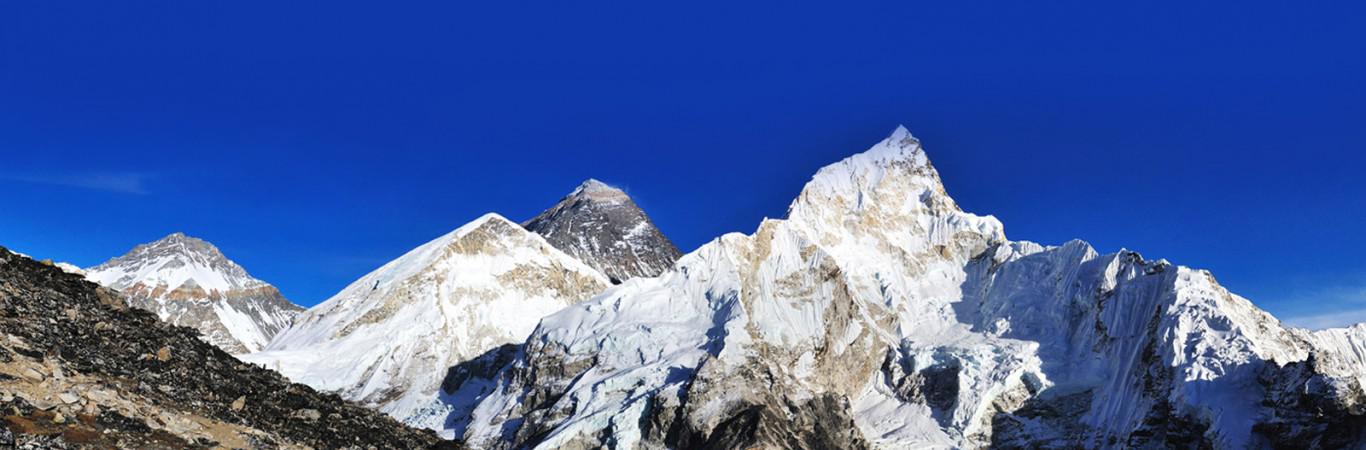
• Panoramic Mountain Views
• Sense of Achievement
Everest Base Camp Trek in December Itinerary
General outline of Trek day
Day 1: Arrival in Kathmandu
Arrive in Kathmandu, Nepal
Transfer to your hotel
Rest and prepare for the trek
Attend a pre-trek briefing and meet your guide
Day 2: Fly to Lukla and Trek to Phakding
Take an early morning flight from Kathmandu to Lukla
Begin your trek from Lukla (2,860 meters) to Phakding (2,610 meters)
Trekking time: Approximately 3-4 hours
Stay overnight in a tea house or lodge in Phakding
Day 3: Trek to Namche Bazaar
Continue trekking from Phakding to Namche Bazaar (3,440 meters)
Trekking time: Approximately 5-6 hours
Experience the first views of Everest and surrounding peaks
Stay overnight in a tea house or lodge in Namche Bazaar
Day 4: Acclimatization Day in Namche Bazaar
Take a short hike to Everest View Hotel for panoramic mountain views
Explore the vibrant town and visit the local markets and monasteries
Stay overnight in a tea house or lodge in Namche Bazaar
Day 5: Trek to Tengboche
Trek from Namche Bazaar to Tengboche (3,860 meters)
Trekking time: Approximately 5-6 hours
Visit the famous Tengboche Monastery and soak in the spiritual atmosphere
Enjoy magnificent views of Everest, Ama Dablam, and other peaks
Stay overnight in a tea house or lodge in Tengboche
Day 6: Trek to Dingboche
Continue trekking from Tengboche to Dingboche (4,410 meters)
Trekking time: Approximately 5-6 hours
Pass through beautiful rhododendron forests and scenic landscapes
Stay overnight in a tea house or lodge in Dingboche
Day 7: Acclimatization Day in Dingboche
Rest and acclimatize to the higher altitude in Dingboche
Take a short hike to Nangkartshang Peak for stunning views of the Himalayas
Explore the village and enjoy the surrounding mountain vistas
Stay overnight in a tea house or lodge in Dingboche
Day 8: Trek to Lobuche
Trek from Dingboche to Lobuche (4,910 meters)
Trekking time: Approximately 5-6 hours
Ascend gradually and pass by memorials for climbers who lost their lives on Everest
Stay overnight in a tea house or lodge in Lobuche
Day 9: Trek to Everest Base Camp and Gorak Shep
Trek from Lobuche to Everest Base Camp (5,364 meters) via Gorak Shep (5,160 meters)
Trekking time: Approximately 7-8 hours
Reach Everest Base Camp and soak in the incredible surroundings
Explore the area and capture memorable photographs
Return to Gorak Shep for overnight stay in a tea house or lodge
Day 10: Hike to Kala Patthar and Trek to Pheriche
Early morning hike to Kala Patthar (5,550 meters) for sunrise views of Everest
Descend to Gorak Shep and continue trekking to Pheriche (4,240 meters)
Trekking time: Approximately 6-7 hours
Stay overnight in a tea house or lodge in Pheriche
Day 11: Trek to Namche Bazaar
Trek from Pheriche to Namche Bazaar
Trekking time: Approximately 6-7 hours
Descend through forests and cross suspension bridges
Reach Namche Bazaar and celebrate the completion of your trek
Stay overnight in a tea house or lodge in Namche Bazaar
Day 12: Trek to Lukla
Trek from Namche Bazaar to Lukla
Trekking time: Approximately 6-7 hours
Return to Lukla, where you began your trek
Reflect on your journey and enjoy a final evening in the mountains
Stay overnight in a tea house or lodge in Lukla
Day 13: Fly to Kathmandu
Take an early morning flight from Lukla to Kathmandu
Transfer to your hotel in Kathmandu
Rest and relax after the trek
Explore the vibrant city and indulge in Nepalese cuisine
Day 14: Departure from Kathmandu
Depart from Kathmandu or extend your stay to explore more of Nepal
It's important to maintain flexibility during the trek, considering factors such as weather conditions, trail conditions, and your own physical well-being.
Things that you should know
Weather condition
December is considered the winter season in the Everest region, so you can expect cold temperatures and occasional snowfall. The daytime temperatures at lower altitudes (around Namche Bazaar) may range from 5 to 15 degrees Celsius (41 to 59 degrees Fahrenheit). However, as you ascend to higher altitudes, the temperatures can drop significantly, especially during the nights and early mornings, reaching well below freezing.
Trekking Difficulty:
Trekking in December can be more challenging due to the cold weather and potentially slippery trails. The paths might be covered with snow, making the terrain more difficult to navigate. You should be prepared for icy conditions, especially in higher altitudes, and ensure you have proper gear such as insulated clothing, sturdy boots, and crampons for traction.
Crowds:
Compared to the peak seasons of spring and autumn, December sees fewer trekkers in the Everest region. This can be advantageous for those seeking a quieter experience, with fewer crowds along the trail and in teahouses. However, keep in mind that some teahouses and facilities might have limited services or even close during the winter season.
Altitude Considerations:
Altitude sickness is a concern when trekking to Everest Base Camp, regardless of the season. In December, the higher elevations will be even colder, and the risk of altitude-related issues can be higher due to the cold weather. It's crucial to acclimatize properly, ascend slowly, and listen to your body. Make sure to consult with a medical professional, follow recommended guidelines, and be familiar with the symptoms and treatment of altitude sickness.
Packing Essentials:
Packing the right gear and clothing is essential for a December trek to Everest Base Camp. Layering is key to adapt to the changing temperatures. You'll need warm thermal base layers, fleece jackets, down jackets, waterproof outer layers, hats, gloves, warm socks, and sturdy trekking boots. Additionally, carry a good-quality sleeping bag rated for cold temperatures. Don't forget other essentials like sunscreen, sunglasses, a hat, a headlamp, and a first aid kit.
Trekking Permits
To trek in the Everest region, you will need a Sagarmatha National Park entry permit and a TIMS (Trekkers' Information Management System) card. These permits can be obtained in Kathmandu or in Monjo, the entrance to Sagarmatha National Park. Make sure to bring your passport, passport-sized photographs, and sufficient cash for permit fees.
Guide and Porter:
Hiring a guide and/or porter is a personal choice. While it's not mandatory, having a guide can be beneficial, especially during the winter season when the trails might be covered in snow and visibility can be reduced. A guide can assist with navigation, provide local knowledge, and ensure your safety. A porter can help carry your heavy backpack, allowing you to focus on the trek itself.
Remember that trekking to Everest Base Camp in December requires careful planning, physical fitness, and appropriate gear. It's advisable to consult with a reputable trekking agency or local experts who can provide up-to-date information and help you prepare for the trek.
Frequently Asked Question about Everest Base Camp Trek in December
How cold is Everest Base Camp in December?
In December, Everest Base Camp (EBC) and the surrounding region are extremely cold due to their high altitude and the winter season. Temperatures at Everest Base Camp can drop well below freezing point, and it is essential to be prepared for harsh weather conditions. Here are some approximate temperature ranges you can expect:
• During the daytime: The temperature at Everest Base Camp and its vicinity can range from around -10°C (14°F) to -5°C (23°F). However, keep in mind that these temperatures can feel even colder due to factors such as wind chill and the high altitude.
• During the nighttime: The nighttime temperatures at Everest Base Camp can plummet significantly, often dropping below -20°C (-4°F) or even lower. It is not uncommon to encounter temperatures as low as -30°C (-22°F) during the nighttime in December.
It is highly recommended to consult with experienced trekking guides or local authorities for the most accurate and up-to-date information on the weather conditions and to ensure you have the appropriate equipment and clothing to stay warm and safe during the trek.
How many days required for Everest Base Camp trek in December?
In December, the duration of the Everest Base Camp trek remains relatively the same as during other times of the year, typically around 12 to 14 days. Keep in mind that weather and trail conditions can be unpredictable in December, so it's important to be prepared for potential delays or modifications to the itinerary due to safety concerns. Having extra days in your schedule allows for flexibility in case of adverse weather or other unforeseen circumstances during the trek.
How far is Everest Base Camp from Kathmandu?
The distance from Kathmandu to Everest Base Camp (EBC) is approximately 130 kilometers (81 miles) in a straight line. However, the actual trekking distance from Lukla, the usual starting point of the trek, to Everest Base Camp is longer due to the winding trails and elevation gain. This distance is spread over a period of approximately 12 to 14 days, allowing for gradual acclimatization and rest days.
It's important to note that the actual distance covered during the trek may vary based on individual itineraries, side trips, and variations in trail conditions. Additionally, trekking distances can feel longer due to the steep ascents and descents, as well as the effects of high altitude.
Is there electricity at Everest Base Camp?
Everest Base Camp (EBC) itself, which serves as the starting point for climbers attempting to summit Mount Everest, does not have a permanent electricity supply.
For trekkers visiting Everest Base Camp, the situation is different. The trekking trail leading to Everest Base Camp passes through various tea houses and lodges in the villages along the way. These tea houses generally have limited electricity supply, although it can be inconsistent and unreliable at times. The electricity may be generated through solar panels, hydroelectric power, or small generators.
Conclusion
From the expedition to Everest Baser Camp in December, Not only you experience the majestic view of snowcapped mountain but also the struggle of local people to avoid extreme cold in the winter season. You will be back with unforgettable memories with great lesson.

