
Everest Three Passes Trek Villages: Complete Guide to Sherpa Settlements, Tea Houses & Himalayan Life
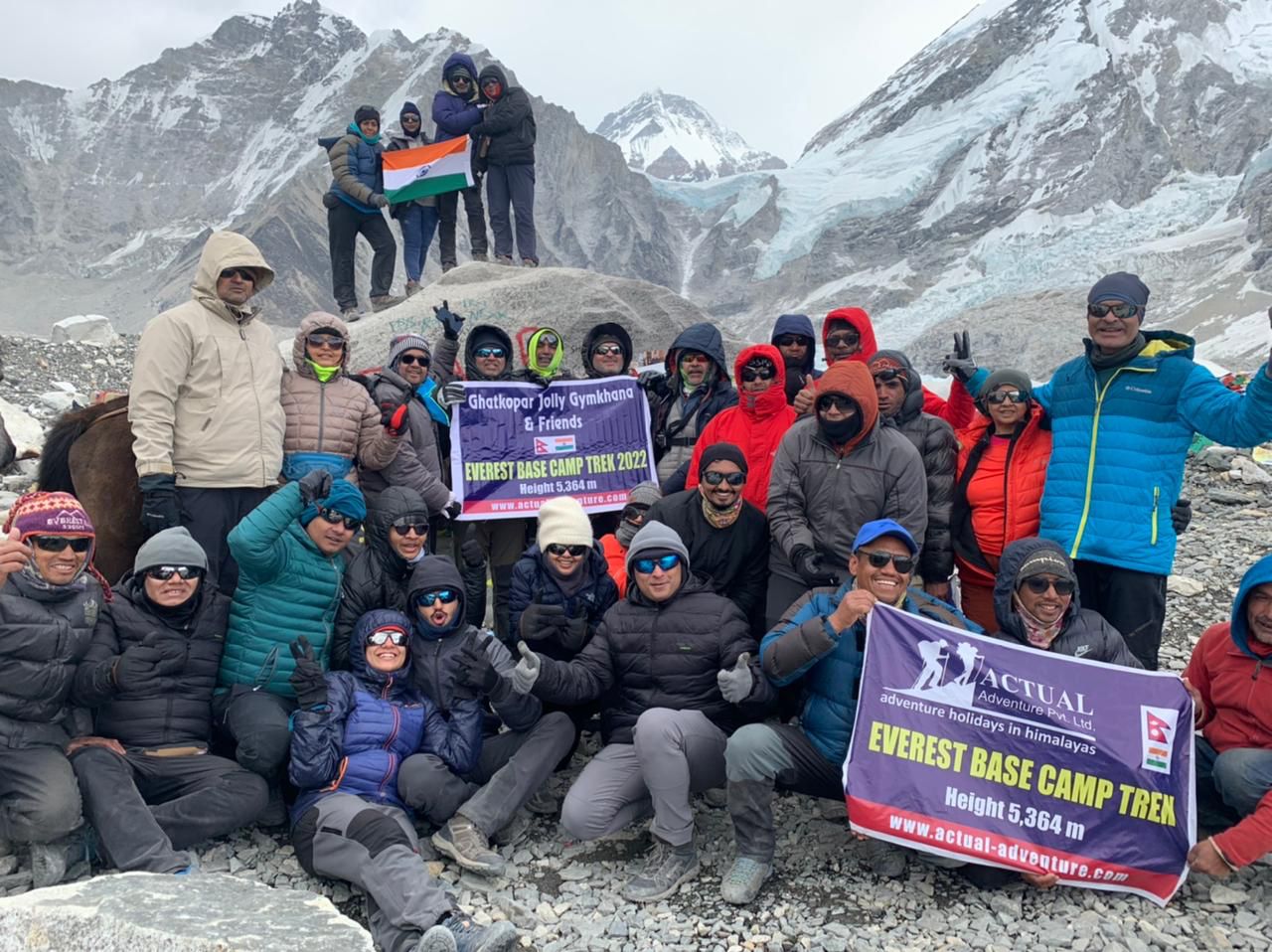
Table of Contents
The Everest Three Passes Trek is considered the most adventurous and complete trekking journey in Nepal’s Khumbu region. Unlike the standard Everest Base Camp Trek, this route explores remote valleys, authentic Sherpa villages, glacier landscapes, turquoise lakes, and three spectacular Himalayan passes: Kongma La Pass (5,535m), Cho La Pass (5,420m), and Renjo La Pass (5,360m). Along the trail, trekkers pass through many traditional settlements where local Sherpa families operate small tea houses, yak farms, bakeries, and mountain lodges. These villages are not only resting places but also the cultural heart of the Everest region.
Everest Three Passes Trek Route Villages
The Everest Three Passes Trek is one of the most adventurous trekking routes in Nepal, covering remote Sherpa villages, high mountain passes, glacier valleys, and Everest Base Camp. Below is the complete route village list with altitude and highlights.
| S.N. | Place Name | Altitude | Highlights |
|---|---|---|---|
| 1 | Lukla | 2,860m | Main gateway to Everest region, airport town with many tea houses, starting and ending point of trek. |
| 2 | Phakding | 2,610m | Peaceful riverside village, popular first overnight stop, small tea house settlement. |
| 3 | Monjo | 2,835m | Entrance to Sagarmatha National Park, quiet Sherpa village, permit checkpoint area. |
| 4 | Jorsalle | 2,740m | Small forest village, last stop before Namche climb, tea houses beside river. |
| 5 | Namche Bazaar | 3,440m | Largest Sherpa town in Khumbu, acclimatization center, bakeries, cafes, trekking shops and lodges. |
| 6 | Khumjung | 3,790m | Traditional Sherpa village, famous monastery and Hillary School, farms and tea houses. |
| 7 | Kunde | 3,840m | Peaceful village near Khumjung, Hillary Hospital location, traditional stone houses. |
| 8 | Tengboche | 3,860m | Famous Buddhist monastery, spectacular mountain views, important spiritual center. |
| 9 | Deboche | 3,820m | Forest village below Tengboche, quiet accommodation area, small tea houses. |
| 10 | Pangboche | 3,985m | One of the oldest Sherpa villages, ancient monastery, strong climbing culture. |
| 11 | Shomare | 4,010m | Small tea house stop, yak grazing area, resting point before Dingboche. |
| 12 | Dingboche | 4,410m | Large acclimatization village, stone-walled potato fields, important Three Passes junction. |
Kongma La Pass Section
| S.N. | Place Name | Altitude | Highlights |
|---|---|---|---|
| 13 | Chhukung | 4,730m | Small alpine settlement, base for Island Peak climbing, final tea house before Kongma La. |
| 14 | Kongma La Pass | 5,535m | Highest of the three passes, rocky glacier terrain, no permanent settlement. |
| 15 | Lobuche | 4,940m | High-altitude settlement near Khumbu Glacier, tea houses for Everest trekkers. |
| 16 | Gorak Shep | 5,164m | Last settlement before Everest Base Camp, basic high-altitude tea houses. |
| 17 | Everest Base Camp | 5,364m | No permanent village, seasonal climbing expedition camps only. |
Cho La Pass Section
| S.N. | Place Name | Altitude | Highlights |
|---|---|---|---|
| 18 | Dzongla | 4,830m | Tiny remote tea house settlement with dramatic mountain scenery. |
| 19 | Cho La Pass | 5,420m | Glacier crossing pass with snow and ice, technically challenging route. |
| 20 | Dragnag / Thagnak | 4,700m | Small lodge settlement in glacier valley, overnight stop after Cho La. |
| 21 | Gokyo | 4,790m | Lakeside Sherpa village beside turquoise Gokyo Lakes and glacier scenery. |
Renjo La Pass Section
| S.N. | Place Name | Altitude | Highlights |
|---|---|---|---|
| 22 | Renjo La Pass | 5,360m | Spectacular Everest panorama, less crowded high mountain pass. |
| 23 | Lungden | 4,380m | Remote yak-herding village with basic tea houses and quiet trekking atmosphere. |
| 24 | Marlung | 4,210m | Traditional Sherpa settlement in a peaceful riverside valley. |
| 25 | Thame | 3,820m | Historic Sherpa village, birthplace of famous Everest climbers and monasteries. |
| 26 | Namche Bazaar | 3,440m | Rejoins the main Everest trekking route and final major acclimatization town. |
| 27 | Monjo | 2,835m | Quiet national park village during return trek. |
| 28 | Phakding | 2,610m | Popular overnight stop before final return to Lukla. |
| 29 | Lukla | 2,860m | Final destination of Everest Three Passes Trek before flight back to Kathmandu. |
Lukla – The Gateway to Everest
The journey begins in Lukla, a busy mountain town located at an altitude of 2,860 meters. Lukla is famous for the Tenzing-Hillary Airport, one of the world’s most dramatic mountain airports. The village has developed into the primary gateway for Everest trekking and climbing expeditions. Trekkers can find comfortable tea houses, bakeries, cafes, trekking shops, equipment stores, and local markets here. Despite tourism growth, Lukla still preserves its Sherpa culture and mountain lifestyle. Colorful prayer flags, stone houses, and Buddhist mani walls line the village streets, creating the classic Himalayan atmosphere.
Phakding – Peaceful Riverside Village
After leaving Lukla, trekkers descend through forests and suspension bridges to reach Phakding, a peaceful village beside the Dudh Koshi River. Located at 2,610 meters, Phakding is usually the first overnight stop on the trek. Small family-run tea houses are scattered along the riverbanks, offering warm meals, comfortable beds, and mountain hospitality. The sound of flowing rivers, spinning prayer wheels, and yak bells creates a relaxing environment for trekkers beginning their Himalayan journey.
Monjo and Jorsalle – Entrance to Sagarmatha National Park
Monjo is a quiet Sherpa settlement that serves as the gateway to Sagarmatha National Park, a UNESCO World Heritage Site. Trekkers register permits here before entering the protected Everest region. The surrounding forests are rich with pine, rhododendron, and wildlife such as Himalayan thar and musk deer. Nearby Jorsalle is a small riverside village where trekkers often stop for lunch before the steep ascent to Namche Bazaar. Tea houses here are simple but cozy, often run by local Sherpa families for generations.
Namche Bazaar – The Heart of the Khumbu Region
Namche Bazaar, situated at 3,440 meters, is the largest and most important settlement in the Everest region. Built like a natural amphitheater on the mountainside, Namche is the commercial and cultural center of the Khumbu. The town is filled with tea houses, luxury lodges, bakeries, coffee shops, museums, gear stores, internet cafes, and local markets. Trekkers usually spend two nights here for acclimatization. From Namche, stunning views of Kongde Peak, Thamserku, and even Mount Everest can be seen on clear days. The village also offers opportunities to experience Sherpa culture through monasteries, museums, and local homes.
Khumjung and Kunde – Traditional Sherpa Villages
Above Namche lie the beautiful twin villages of Khumjung and Kunde. These villages are among the most authentic Sherpa settlements in the Khumbu region. Stone houses with green roofs, potato farms, yak pastures, and ancient monasteries dominate the landscape. Khumjung Monastery is famous for displaying a mysterious “Yeti scalp,” attracting curious trekkers from around the world. Kunde is home to the Hillary Hospital established by Sir Edmund Hillary. Tea houses in these villages are quieter and more traditional compared to the busy Everest Base Camp route, giving trekkers a deeper cultural experience.
Tengboche and Deboche – Spiritual Center of Everest
Tengboche is one of the most spiritually significant villages in the Everest region. Located at 3,860 meters, it is home to the famous Tengboche Monastery, the largest Buddhist monastery in Khumbu. Surrounded by rhododendron forests and snow-capped peaks, the village offers breathtaking views of Ama Dablam, Everest, Nuptse, and Lhotse. Many trekkers attend evening prayer ceremonies inside the monastery. Nearby Deboche is a quieter forest settlement with peaceful tea houses nestled among pine trees, offering a calm overnight stop.
Pangboche – Ancient Sherpa Settlement
Pangboche is believed to be one of the oldest Sherpa villages in the Everest region. Located beneath the magnificent Ama Dablam mountain, the village contains ancient stone homes, Buddhist chortens, and traditional farms. The Pangboche Monastery is one of the oldest monasteries in Khumbu and holds important spiritual significance for local people. Many Everest climbers and guides originate from Pangboche, making it an important mountaineering community. Tea houses here offer spectacular mountain views and warm Sherpa hospitality.
Dingboche – High Altitude Acclimatization Village
At 4,410 meters, Dingboche is one of the most important acclimatization villages on the Three Passes Trek. The village is surrounded by dramatic peaks and protected by traditional stone walls built to shield potato farms from cold Himalayan winds. Compared to lower villages, vegetation becomes sparse, and the alpine landscape becomes more rugged. Dingboche contains many tea houses, bakeries, and lodges catering to trekkers heading toward Everest Base Camp, Chhukung, or the high mountain passes.
Chhukung – Gateway to Kongma La Pass
Chhukung is a small alpine settlement located in the Imja Valley beneath towering Himalayan peaks. The village serves as the gateway to Kongma La Pass and the base camp area for Island Peak climbers. Tea houses in Chhukung are simple but welcoming, often filled with climbers preparing for expeditions. The surrounding scenery is spectacular, with close-up views of Lhotse, Nuptse, Ama Dablam, and Island Peak.
Lobuche and Gorak Shep – High Himalayan Settlements
After crossing Kongma La Pass, trekkers reach Lobuche, a small settlement near the Khumbu Glacier. The village exists almost entirely to support trekkers and climbers traveling toward Everest Base Camp. Tea houses here are basic due to the harsh high-altitude conditions. Further ahead lies Gorak Shep, the final settlement before Everest Base Camp and Kala Patthar. Surrounded by rocky glacial terrain, Gorak Shep provides a dramatic Himalayan environment unlike any other village on the trek.
Dzongla and Cho La Route
Dzongla is a tiny remote settlement located below Cho La Pass. The village is isolated but incredibly scenic, surrounded by rugged peaks and glacial valleys. Tea houses here are limited but cozy, serving trekkers crossing the challenging Cho La Pass toward Gokyo Valley. The route over Cho La often involves snow, ice, and glacier crossings, making it one of the most adventurous sections of the trek.
Gokyo – Village Beside Turquoise Himalayan Lakes
Gokyo is one of the most beautiful settlements in the Everest region. Situated beside the turquoise Gokyo Lakes at 4,790 meters, the village offers extraordinary scenery with reflections of snow-covered mountains on glacial lakes. Tea houses line the lakeshore, creating one of the most picturesque overnight stops in Nepal. Trekkers often climb Gokyo Ri for panoramic views of Everest, Cho Oyu, Makalu, and countless Himalayan peaks.
Lungden, Marlung, and Thame – Remote Sherpa Valleys
After crossing Renjo La Pass, trekkers descend into the remote Bhote Koshi Valley. Lungden and Marlung are quiet yak-herding villages with traditional tea houses and fewer tourists compared to the Everest Base Camp trail. The atmosphere here feels more isolated and culturally authentic. Further down lies Thame, a historic Sherpa village known as the birthplace of many famous Everest climbers, including Tenzing Norgay Sherpa. Thame Monastery and the surrounding mountain scenery make it one of the cultural highlights of the Three Passes Trek.
Tea House Culture in the Everest Three Passes Trek
Tea houses are the backbone of trekking life in the Everest region. Most lodges are family-operated businesses offering basic rooms, shared dining halls, hot meals, tea, coffee, and simple hospitality. Common meals include dal bhat, Sherpa stew, noodles, potatoes, pancakes, soups, fried rice, and yak cheese dishes. As altitude increases, facilities become more basic and expensive due to transportation challenges. Despite the simplicity, tea houses provide warmth, safety, and cultural connection in one of the world’s highest mountain regions.
Conclusion
The Everest Three Passes Trek is far more than a mountain adventure; it is a journey through the living culture of the Himalayas. Every village along the route has its own identity, traditions, monasteries, tea houses, and mountain stories. From the busy streets of Namche Bazaar to the peaceful lakes of Gokyo and the ancient Sherpa settlement of Thame, the trek offers a complete experience of Himalayan life. The combination of dramatic landscapes, remote villages, warm tea houses, and legendary mountain culture makes the Everest Three Passes Trek one of the greatest trekking experiences in the world.

